PSPA’s Healthcare Professionals Hub
Welcome to PSPA’s dedicated resource for healthcare professionals provided by PSPA. This hub is designed to support you in delivering care that is coordinated, has continuity and is compassionate. We want to make sure you can provide up-to-date information to your patients diagnosed with PSP (Progressive Supranuclear Palsy) and CBD (Corticobasal Degeneration). The information provided aims to support clinicians and healthcare professionals looking for resources about PSP & CBD symptoms and diagnosis, best-practice care and support pathways.
Resources For Professionals
As healthcare professionals on the front lines of managing PSP & CBD, having access to the right tools and information is essential. Our suite of resources is designed to assist you in providing the best possible care for your patients. From detailed guides on PSP & CBD symptom management to insights into the latest research, our resources aim to enhance your knowledge and skills in dealing with these complex neurological conditions. The resources also include specific guidance on physiotherapy, occupational therapy and speech and language therapy for patients living with PSP & CBD.
A summary of what’s available:
The PSPA Helpline
Our Helpline is available to all. Professionals can call or make contact for support and information on CBD & PSP management, as well as people living with PSP disease or CBD and family members. The contact details are:
Telephone: 0300 0110 122
Email: helpline@pspassociation.org.uk
You can also refer people living with PSP & CBD disease and family members to the Helpline for support.
PSP & CBD Resources
Utilise our symptom management guides, which provide up-to-date information, including medication options, physiotherapy, PSP red flags, and CBD red flags for GPs, and more.
and more.
Educational Sessions and Videos
Enhance your understanding of PSP & CBD, helping you offer patient-centred care with our Masterclasses for Health and Social Care Professionals (HSCPs). We also run recorded useful webinars to aid awareness for HSCPs. Working with the multidisciplinary team from the Atypical Parkinson’s clinic at the Queen Elizabeth University Hospital, Glasgow, we recorded six webinars about PSP & CBD and how PSPA can help. These webinars offer useful insights for GPs, physiotherapists, occupational therapists, speech and language therapists, and other healthcare professionals.
Research Updates
Stay informed about the latest findings in the field with summaries of recent studies and their implications for clinical practice. This research includes potential new treatments and updates on ongoing projects. We also highlight opportunities for your patients to participate in CBD & PSP research and how to stay updated. Discover more information on current research including recent published papers here
Working Groups
To help promote the benefits of sharing information and best practices among health and social care professionals, we’ve established a Healthcare Professional Working Group. This quarterly online meeting enables professionals to share ideas and best practices in the care of people living with PSP & CBD. Discover when the next meeting will take place here. To join the group, please email Carol Amirghiasvand
Support in clinics
Our PSP & CBD Helpline Care Navigators (HCNs) provide nationwide support across the UK for people affected by Progressive Supranuclear Palsy (PSP) and Corticobasal Degeneration (CBD). As part of this service, our HCNs attend specialist clinics, working closely with consultants and multidisciplinary teams. This collaboration ensures that individuals living with PSP & CBD, along with their families, receive high‑quality guidance, care, and information tailored to their needs.
“I am new to the role of Parkinson’s disease nurse; therefore, all PSPA’s information is invaluable to me.”
Useful Downloads
For ease of access, we have provided a list of our most useful publications for healthcare professionals below, including PSP & CBD professional guides and other therapy-based resources for PSP & CBD. Free resources can be downloaded below as a PDF or for printing. To request resources in printed format, please get in touch with our Helpline team at helpline@pspassociation.org.uk
General Resources
Role Specific Resources
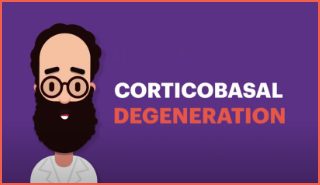
It Could Be CBD Animation – Learn how you can support people living with CBD
It’s Not Parkinson’s – Learn about how you can support those living with PSP
Sign up to receive training and resource updates by email
Interactive Resources
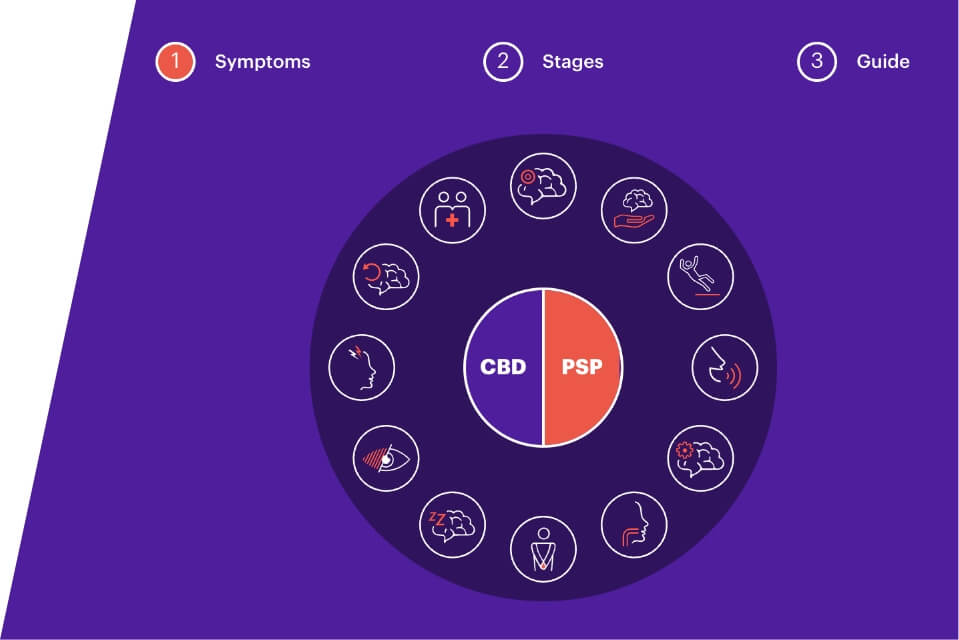
In 2018, we launched our Interactive Guide. This guide is a world-first and allows you to learn more about PSP & CBD, and the standards of care people living with these conditions should expect to see. In addition, you can use the resource to build tailored guides for yourself, colleagues or your patients and print them off to share.
Each of these resources is crafted to provide you with the most relevant and practical information and multidisciplinary care strategies for PSP & CBD. By integrating these tools into your practice, you can improve outcomes for your patients with PSP & CBD, ensuring they receive the best care based on the latest available evidence.
Masterclasses and Educational Sessions
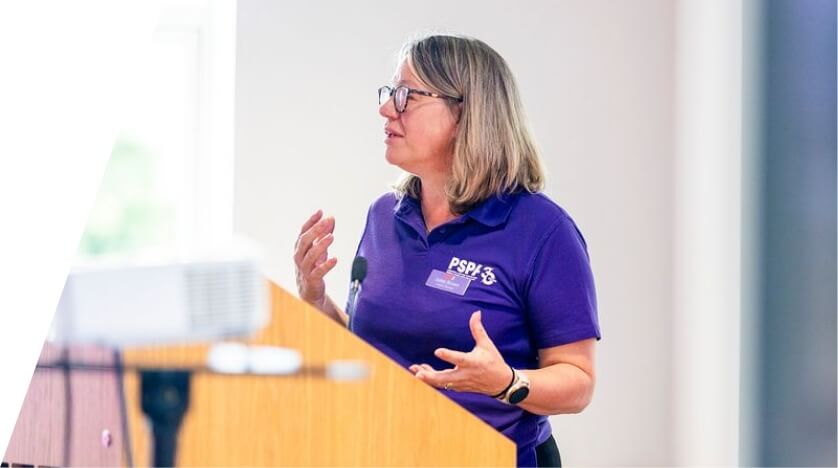
As mentioned in the section above, we run quarterly masterclasses to help healthcare professionals develop their knowledge and understanding of PSP & CBD. The Masterclasses will provide a programme of speakers to give an overview as well as focus on specific areas and professions. They have been developed to support healthcare professionals looking for CBD & PSP training and information on Atypical Parkinsonism.
Our Masterclasses are carefully designed by experts in the field to delve deep into the complexities of these conditions. Each session is aimed at enhancing your understanding, updating you on the latest advancements, and equipping you with practical skills for managing these challenging neurological disorders.
Why Attend?
Expert-Led Training
Each class is led by specialists who are at the forefront of neurological research and patient care. They bring real-world insights and cutting-edge knowledge directly to you.
Up-to-date Clinical Practices
The content is continuously updated to reflect the latest research findings and treatment methodologies, ensuring you’re always at the cutting edge of patient care.
How to Register?
How to Register
Signing up for our masterclasses is straightforward. Visit our website and complete the registration process online.
Schedule
We offer a variety of sessions throughout the year to accommodate busy schedules. Check our Eventbrite page for upcoming sessions across a variety of topics.
Fees
Our Masterclasses are free to attend, making them accessible to all to help develop awareness of PSP & CBD.
Upcoming in 2026
Check back for new masterclasses at the start of 2026
Can’t Attend our Masterclasses?
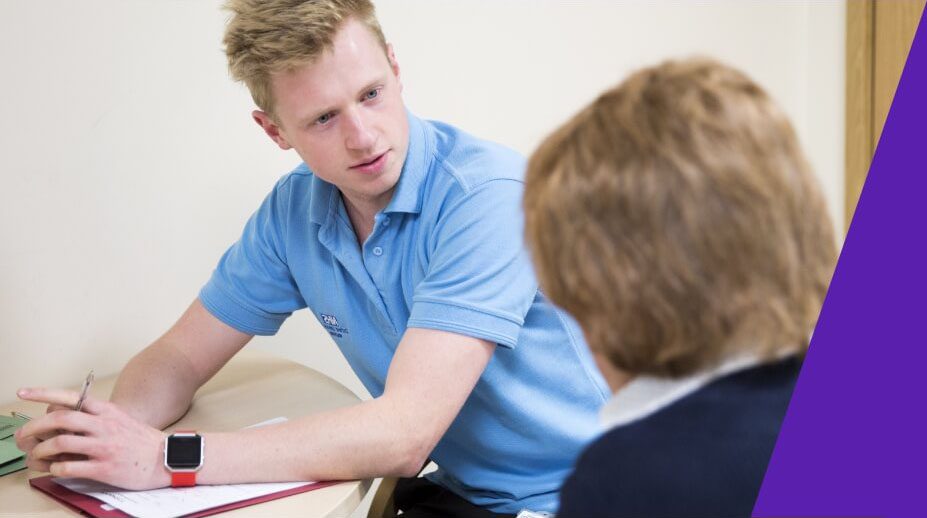
Tailored Education Sessions can be organised for you and your team, in-person or online to help increase your knowledge and understanding of PSP & CBD
“Understanding the potential progression of the conditions will help me obtain realistic goals for my patients living with PSP & CBD.”
Support For Your Patients
At PSPA, we understand the challenges faced by patients living with a diagnosis of PSP & CBD, and we are here to help. We offer a range of support services designed to assist your patients and their families in managing their conditions effectively.
Information Packs
Provide your patients with detailed information that contains explanations of PSP & CBD, guidance for managing symptoms, and insights into what patients and their families can expect throughout the progression of the diseases. Download our Personal Guide to PSP & CBD here.
Support Groups
Direct your patients to our support groups, which are invaluable resources for sharing experiences, local information and personal tips to help with coming to terms with a diagnosis. The groups provide emotional and practical support not only to patients but also to caregivers, creating a community of understanding and assistance. Learn more about the different PSPA Support Groups here.
Family Days
In addition to our regional Support Groups, we provide an opportunity for people living with PSP & CBD and their families to get together, build connections and learn more about the support available to them. Find out when the next free regional event is on our dedicated page.
PSPA Support Grants
PSPA support grants aim to help improve the quality of life for people who are living with or are affected by PSP & CBD. With a referral from a Healthcare Professional, our support grants can provide a one-off payment of up to £250 to help provide an item or service, such as mobility aid or counselling sessions. Read more here. The Support Grant application form and guidance can be downloaded by clicking the link.
PSPA Helpline
As well as supporting you as a professional working in the field of PSP & CBD, our Helpline is also here to help your patients and their families. We can help them navigate the complexities of healthcare systems, including assistance with accessing treatments, care options, and entitlements. We support patients to ensure they receive the care and support they need. Our PSPA Helpline is available to provide a listening ear for those who need support. This service is free and confidential over the phone and by email.
Online Exercise Sessions
PSPA is excited to be working in collaboration with Neuro Heroes to deliver regular Online Exercise Classes as part of our Mind, Body, Soul project. Neuro Heroes is an online Neuro gym, providing live exercise sessions over Zoom run by Specialist Neuro Physiotherapists. Neuro Heroes offer one CBD class and one PSP class a week for anyone who loves either of the conditions and is registered with PSPA. Find out more here.
Talk to our Helpline Care Navigator about a particular challenge or arrange a Education Session to help you and your team learn more about the conditions.
At PSPA, we understand that each patient experiences their condition in a unique way. By referring your patients to PSPA, you open the door to a wealth of specialised support that is carefully tailored to meet their individual needs.
Plus, when you refer your patients to us, they’re never alone on their journey. They’ll be part of a warm and welcoming community backed by professionals and volunteers committed to helping them navigate every challenge. This kind of support can make a real difference in how they manage their condition, enhancing their overall wellbeing and leading to a happier, healthier life.
Frequently Asked Questions
How does Progressive Supranuclear Palsy (PSP) differ from Parkinson's disease?
Progressive Supranuclear Palsy (PSP) is a complex neurological condition that progressively affects movement, balance, vision, speech, and swallowing, due to the overproduction of a protein called “tau,” which accumulates in and damages brain cells. In Parkinson’s, symptoms start to appear when the brain can’t make enough dopamine to control movement properly. While PSP shares some features with Parkinson’s, the cause, the progression, response to medication, and specific clinical symptoms differ.
What early symptoms of PSP should healthcare professionals look for?
Some of the early symptoms of PSP which healthcare professionals can be mindful of include backwards falls, fixed gaze, stiffness and slowness, language or speech difficulties, and cognitive changes.
How does Corticobasal Degeneration (CBD) differ from Parkinson's disease?
CBD disease involves the degeneration of brain cells caused by the accumulation of abnormal tau proteins in the cerebral cortex and basal ganglia. This leads to a range of symptoms affecting movement, which usually begins on one side of the body, as well as affecting cognition, speech, memory, and behaviour. In comparison, Parkinson’s usually progresses more slowly and responds better to the drug Levodopa, unlike CBD.
What early symptoms of CBD should healthcare professionals look for?
Early symptoms of CBD that healthcare professionals can look out for include, one side of the body, such as a limb becoming stiff, clumsy, or weak, involuntary movement or “alien limb” phenomenon, and other speech and language and cognitive changes.
Does PSPA offer PSP & CBD training and education opportunities to healthcare professionals?
Yes, PSPA runs quarterly Masterclass sessions that can help healthcare professionals develop their knowledge and understanding of PSP & CBD. Each session is free to attend and is aimed at enhancing your understanding, updating you on the latest advancements, and equipping you with practical skills for managing these challenging neurological disorders.
How can I refer a patient with a suspected PSP or CBD diagnosis for support?
Healthcare professionals can refer people directly to PSPA’s Helpline or Care Navigator service for specific information, practical guidance and emotional support using this referral form. You can contact the Helpline on 0300 0110 122 or email us at helpline@pspassociation.org.uk.
Does PSPA have any resources for specific healthcare professionals such as occupational therapists, physiotherapists, and speech and language therapists?
Yes, PSPA offers specific resources to support multidisciplinary care for PSP & CBD. You can find role-specific resources on our Resources for Professionals page.
How can clinicians get involved in PSP & CBD research?
Our Research section has all the information on our current research opportunities, clinical studies and ways to connect with academic partners. We also share regular updates to help clinicians stay informed about the latest news and research in PSP & CBD diagnosis and care.