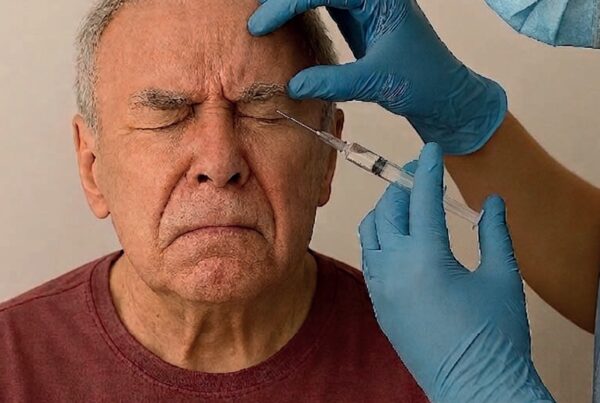

Carers play an essential role, yet their contribution is often undervalued.
From managing appointments, medications, and mobility challenges, to communication difficulties, and countless everyday tasks, they do it all and often become the biggest emotional anchor for their loved one.
But no matter how much you value and love someone, the emotional and physical toll of caregiving is often a lot to bear alone.
Especially if your loved one is living with a rare disease like Progressive Supranuclear Palsy or Corticobasal Degeneration, caregiving can become more intense and demanding as the conditions progress.
It can be isolating. It can be heartbreaking. And it can feel incredibly lonely.
Despite the challenges, you carry on supporting your loved one through this journey. But behind the strength and determination, you know the everyday reality of caring can be exhausting.
The good news is that resilience is not about being strong all the time. Building resilience is about finding ways to keep going, even on the difficult days, while recognising that your wellbeing matters too.
The hidden emotional impact of caring
Living alongside a rare neurological condition such as PSP or CBD often means adapting to uncertainty around what’s coming next. It also means getting used to watching your loved one gradually become a shell of their former self.
Hence, as symptoms progress, it is natural to experience emotions like:
- Grief for the life you once knew.
- Anxiety about the future.
- Frustration when systems and services feel difficult to access.
- Guilt for wanting time for yourself.
- Isolation when friends and family struggle to understand your experience.
- Physical and emotional fatigue.
Research and clinical experience consistently show that carers can experience significant emotional strain, including stress, anxiety, sleep difficulties, social isolation and burnout if support is not accessed at the right time. Many carers reach a crisis point that throws them off-balance and potentially leaves them struggling to care for their family member.
This is why recognising your own needs is so important.
Building resilience starts with caring for yourself
When you’re caring for someone with a complex neurological condition, self-care can feel like a luxury. But in reality, it is a necessity.
Many carers describe gradually losing their identity until they are known only as a husband, wife, partner, parent or child providing care, and losing touch with family and friends that can provide vital support and connection.
Building resilience involves reconnecting with the parts of yourself that existed before PSP or CBD entered your life. What are your interests? What activities bring you joy? What makes you feel like you?
Resilience is not about ignoring your needs and carrying the entire burden yourself. True resilience comes from being open and flexible enough to explore different ways to adapt and knowing when to reach out for support.
This means:
- Accepting help from family and friends whenever possible.
- Taking regular breaks from caring.
- Speaking honestly about how you’re feeling.
- Connecting with other carers who understand.
- Seeking professional emotional support when needed.
Asking for help is not a sign of weakness.
It is a way of protecting your health, so that you can continue caring sustainably.
And self-care does not have to mean spa days or weekends away. Sometimes it means doing simple everyday things like:
- Taking a short walk outside.
- Meeting a friend for a coffee.
- Reading a book for ten minutes before bed.
- Listening to music while doing your chores.
- Attending a support group.
- Practising mindfulness or relaxation exercises.
- Keeping up with your own medical appointments.
Even small moments of rest can help replenish emotional energy and reduce stress.
The power of connection
Caring for someone with a rare disease can make you feel isolated and lonely.
But talking to someone who listens without judgment, offers help, or simply understands the realities of caring can help you cope better. Speaking with other carers who understand the challenges of PSP & CBD or contacting PSPA’s Helpline can reduce feelings of anxiety and uncertainty and remind you that you are not facing this journey alone.
Ensuring emotional wellbeing
As a carer of someone with PSP or CBD, you may eventually get used to putting their emotional needs before your own. But it is essential that you give equal importance to both.
You must consciously take small steps every day to strengthen your emotional wellbeing over time, so you can continue to care effectively. Start small by:
- Practising self-compassion and speaking to yourself as kindly as you would a friend.
- Focusing on what you can control rather than what is beyond.
- Accepting support when it is offered and asking for help before reaching a crisis point.
- Staying connected to people and communities that make you feel understood.
- Celebrating small achievements and acknowledging the difference you make every day.
It is also important to understand and accept that no two days will be the same in your caring journey. Some days you may feel capable and hopeful. Other days, you may feel overwhelmed.
Both feelings are normal and are part of being human.
Support for carers in the UK
Many carers are unaware of the support they are entitled to.
- Carer’s Assessment
If you provide regular care for someone, you have the right to request a Carer’s Assessment through your local authority. This assessment looks at how caring affects your life and identifies support that may help, including respite care, practical assistance and wellbeing support.
- Financial Support
Depending on your circumstances, you may be eligible for:
- Carer’s Allowance.
- Carer’s Credit.
- Attendance Allowance (for the person you care for).
- Personal Independence Payment (PIP).
- Pension Credit and other benefits.
Seeking advice early can help ensure you receive the support you are eligible for.
- Local Carer Organisations
Across the UK, local carers’ centres provide information, advocacy, peer support groups, training and wellbeing activities specifically designed for unpaid carers.
How does PSPA support carers
At PSPA, we recognise and consider carers to be a vital part of the PSP & CBD community.
We offer dedicated support for carers of people living with these rare neurological conditions. PSPA recognises that carers need mental, emotional, and physical support, and provides a range of services to help them feel informed, connected and less alone.
- PSPA Helpline
The PSPA Helpline, while not medically trained and unable to provide medical advice, can offer information, emotional support and guidance on navigating health and social care services.
- Carer Support Groups
Our carers support groups provide safe spaces where carers can connect with others who truly understand the realities of living with PSP or CBD. Sharing experiences, advice and encouragement can be incredibly powerful.
- Befriending Volunteer Support
For carers who may feel isolated, PSPA’s Befriending Volunteer support services offer connection, understanding and a listening ear.
- Practical Information and Resources
PSPA provides a wide range of resources, including carers’ guides and informative downloads, which cover practical guidance, emotional wellbeing, support options and personal experiences from other carers.
- Support Grants
PSPA Support Grants can help with the cost of equipment or services that improve the quality of life for both carers and people living with PSP or CBD.
- Carers Wellbeing Resources
The PSPA Carers Wellbeing Hub offers information and guidance focused specifically on supporting carers’ emotional and physical wellbeing throughout their caring journey.
- PSPA Podcast
Many of the PSPA Podcast episodes focus on PSP & CBD carers and helping them better navigate this diagnosis. We regularly feature health and social care professionals and other experts who can offer insights, updates and information to improve your understanding of these conditions and support your caring journey, for example, our recent podcast on Carers Resilience.
Your wellbeing matters too
Caring for someone with PSP or CBD is an extraordinary act of love.
Every appointment you attend, every meal you prepare, every reassuring conversation and every difficult day you navigate is a reflection of your incredible commitment and compassion.
But your wellbeing matters too.
You deserve support.
You deserve rest.
You deserve understanding.
Most importantly, you do not have to face this journey alone.
Whether it’s speaking to the PSPA Helpline, joining a support group, requesting a Carer’s Assessment, or simply sharing how you’re feeling with someone you trust, we encourage you to take the necessary steps to ensure your emotional and physical wellbeing.
Because caring for yourself is an essential part of caring for your loved one.
For information and support, contact the PSPA Helpline on 0300 0110 122 or email them at helpline@pspassociation.org.uk.