Falls are one of the biggest challenges faced by people living with Progressive Supranuclear Palsy and Corticobasal Degeneration. They can happen suddenly, become more frequent as the condition progresses, and leave both the person living with the condition and those caring for them feeling anxious about what might happen next and how they can manage them.
If you’re caring for someone with PSP or CBD, knowing why falls happen and how to reduce the risk can help you feel more prepared. Even if you can’t prevent every fall, knowing there are practical steps that can make everyday life safer can help your loved one maintain as much independence for as long as possible.
Our latest PSPA Podcast explores this topic in depth with specialist neurological physiotherapists Jade Donnelly and Ciara Baker, who share practical guidance on managing such symptoms of PSP & CBD, so that families and carers feel more confident while caring for their loved ones.
Why do people with PSP & CBD fall?
Many of the CBD & PSP symptoms that affect movement can increase the chances of falling.
As the conditions affect the parts of the brain responsible for balance, movement, vision and coordination, everyday activities can gradually become more difficult. Symptoms such as stiffness, slower movements, balance problems, and fatigue all increase the risk of falls. Some people may also experience gait freezing, where their feet may seem to be stuck to the floor, making it harder to walk or turn safely, and increasing the likelihood of falling.
For some people with Progressive Supranuclear Palsy, impulsivity can also play a role. Acting quickly without thinking through the risks may lead someone to stand up suddenly, forget to use a walking aid or attempt something independently rather than using support. Families often find this particularly difficult to navigate. But understanding that these behaviours are part of the condition can make them easier to accept and manage.
Falls can happen at any stage
Although falls often become more common and frequent during the later stages of PSP & CBD, changes in balance and coordination can appear much earlier than you may expect.
Recognising these changes early means you can begin making small adjustments around your home, seek specialist guidance and build confidence before falls become frequent.
Small changes can make a big difference
Having a loved one who is prone to falling means it is essential you create a safe environment at home. The good news is it doesn’t necessarily mean making major alterations to your residence.
You can start by taking simple measures such as reducing clutter, improving lighting, removing trip hazards, wearing supportive footwear and keeping everyday items within easy reach, all of which can help lower the risk of falls. In some situations, equipment such as grab-rails, walking aids or specialist seating may also provide additional support, but the right options will be different for every person.
In the podcast, the physiotherapists also discuss why having an assessment from a physiotherapist or occupational therapist can be invaluable when deciding which equipment is most appropriate, rather than trying to choose independently.
What to do if or when falls still happen?
Even with careful planning, falls may still occur.
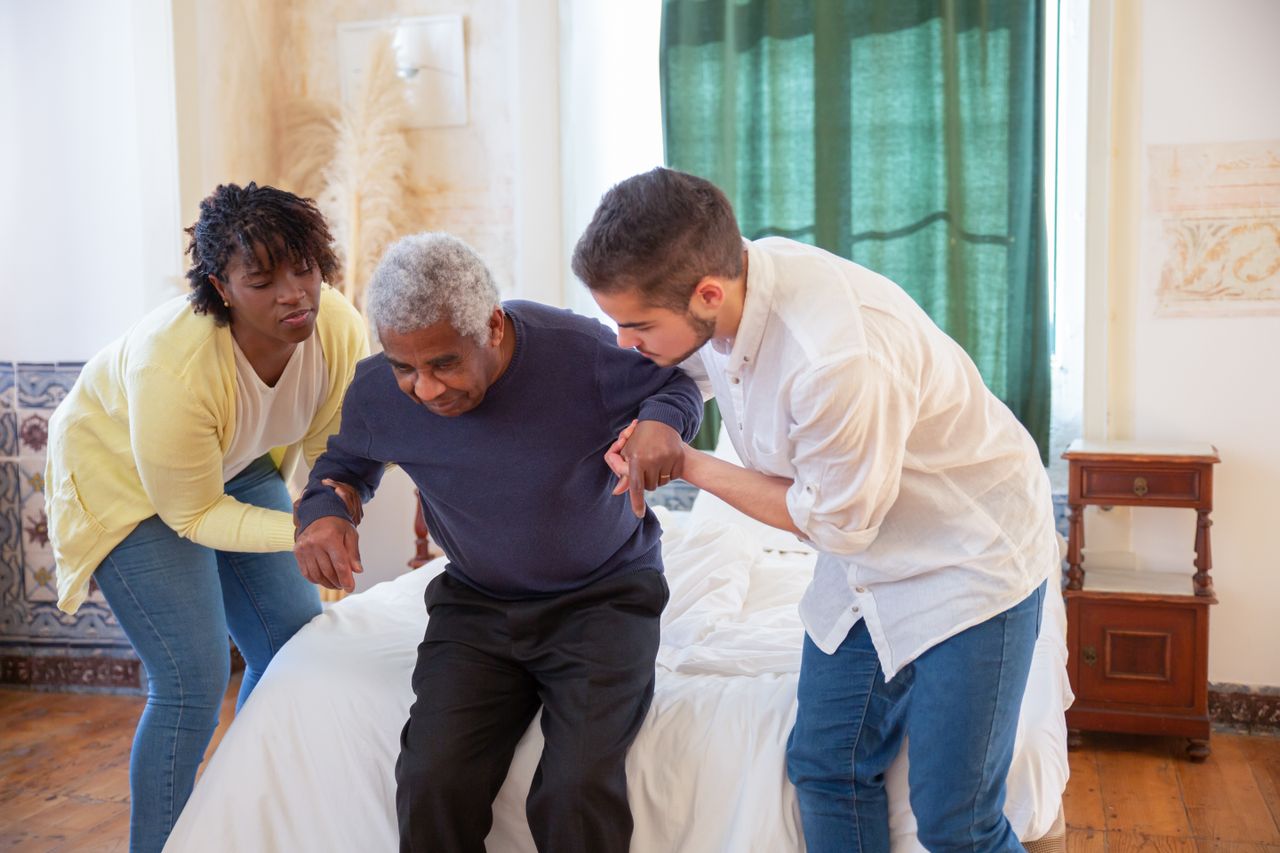
Knowing what to do afterwards can help everyone stay as calm and safe as possible. The main priority is always checking whether your loved one is okay or has been injured and whether emergency medical help is needed. It’s equally important for you to avoid injuring yourself while trying to help them back to their feet.
The PSPA Podcast on Managing Falls explains:
- When it is safe to help someone after a fall.
- When to call 999 or NHS 111.
- Safe recovery techniques discussed by physiotherapists.
- Equipment that may support falls recovery.
- Why having a falls plan in place before an emergency matters.
Balancing independence and safety
One of the key messages from the discussion is that reducing the risk of falls is not about preventing your loved one from doing everything independently.
Instead, it is about finding the right balance between managing risk and maintaining quality of life. Open conversations with healthcare professionals, carers and the person living with PSP or CBD can help you make informed decisions that support what is most important to them.
Listen to the Managing Falls Podcast
Whether you have recently received a diagnosis, are noticing new PSP & CBD symptoms, or caring for someone with PSP or CBD, our latest podcast episode offers practical, reassuring guidance from clinicians who support people with these conditions every day.
Listen to the full PSPA Podcast to hear how you can prevent falls, choose the right equipment, support someone safely after a fall and maintain confidence through every stage of Progressive Supranuclear Palsy and Corticobasal Degeneration.