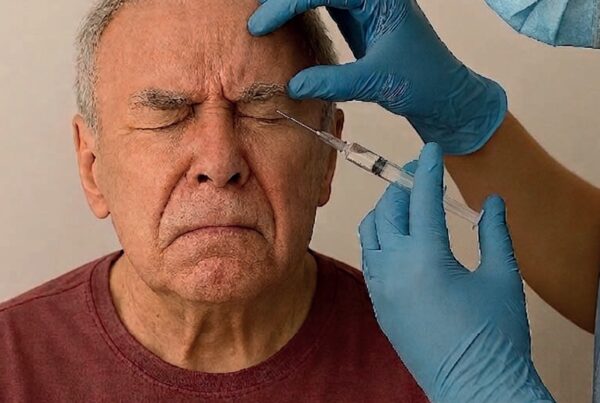
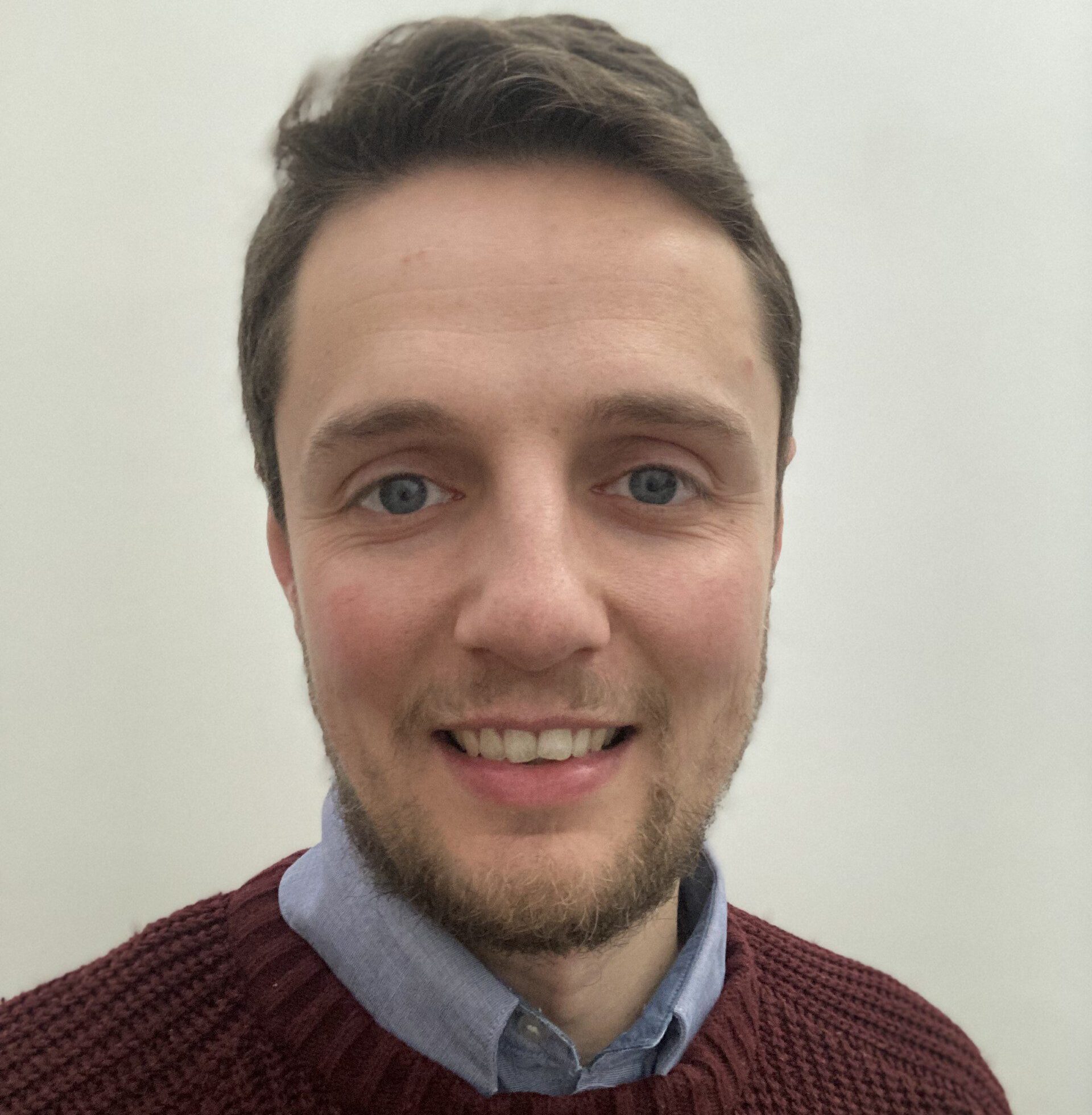
Progressive Supranuclear Palsy and Corticobasal Degeneration are rare neurodegenerative diseases that often significantly impact eye movement and vision, gradually making everyday life more challenging. That is why, in January, we sat down with Consultant Orthoptist, Dominic Burdon, who works closely with people living with PSP & CBD, to understand the changes associated with these conditions and how to ensure better eye care and management. The informative session not only touches upon some vital medical facts but also reassures you that help is available and you don’t have to face any challenges alone.
Eye movement and vision changes – What to expect
In most cases, PSP & CBD cause gradual changes in eye movement and vision, which are often too subtle and insubstantial to be noticed. It’s only when everyday things like reading a book, making eye contact, or focusing on stairs start requiring effort and care that people start to notice their eye symptoms. People living with PSP, in particular, often have trouble moving their eyes up and down. This isn’t about eyesight getting “weaker” or glasses no longer working, Dominic explains. It is about how the brain communicates with the eyes.
What’s reassuring is that most eye care professionals expect and recognise the eye symptoms associated with PSP & CBD, some of the most common ones being:
- Difficulty looking down when reading, eating, or walking.
- Double vision.
- Dryness caused by reduced blinking.
- Episodes where eyelids close or won’t open easily.
- Jerky or unstable eye movements.
However your eyes may be affected, there are ways to identify, monitor and manage them.
What kind of help is available
Dominic repeatedly emphasises the importance of communication and information. He explains that orthoptists not only test eye movements but also listen and explain the changes that are happening. They help families understand what might come next and how they can adapt daily life around them. Dominic also sheds light on some common solutions to eye problems and vision changes that they often suggest to people living with PSP & CBD, such as:
- Using occlusion or prism glasses to manage double vision.
- Switching to single-vision lenses instead of bifocals or varifocals.
- Using preservative-free eye drops to soothe dryness.
- Choosing alternatives like audiobooks when reading becomes difficult.
He also shares practical information on keeping things simple and streamlined, like keeping clinic letters, sharing them with your optician, and asking for coordinated appointments to reduce travel, when possible. The important thing to note is that no matter where you are in your journey with these conditions, there are people and resources that can help find the best solution that works for you.
How can PSPA help
We at PSPA understand how overwhelming it can be when something as simple and enjoyable as reading a book becomes a challenge. This podcast aims to inform and reassure you that you don’t have to face these challenges alone. Along with practical guidance, we also offer support in the form of prism glasses, audio articles for our magazine, PSPA Matters, a website, and other alternatives that can help you enjoy everyday life and stay connected.
Dominic concludes the conversation by emphasising that you don’t have to manage your eye symptoms alone, and that trained eye care professionals can help provide support that is tailored to your needs. All you have to do is reach out.
You can listen to the full podcast here.