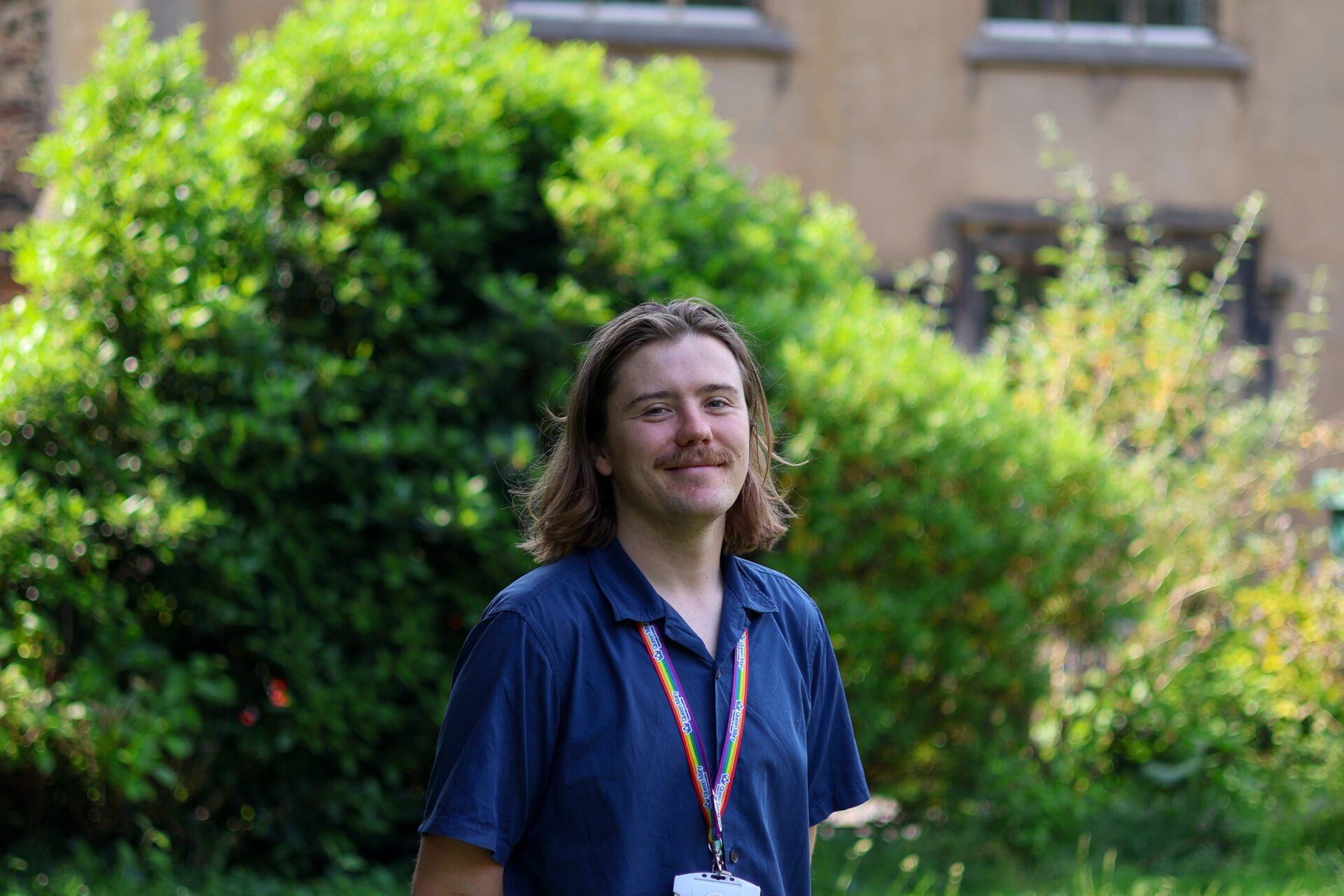
Brain donation is one of the most meaningful ways to leave a lasting legacy and support research into rare neurodegenerative diseases like Progressive Supranuclear Palsy and Corticobasal Degeneration. One donated brain can support dozens of research projects for several years. But it can be an emotional and sensitive subject for many. In the latest episode of the PSPA Podcast, we speak to Rory Tuckman-Smith, Tissue Bank Engagement Manager at the Parkinson’s UK Brain Bank at Imperial College London, and PSPA’s Research Coordinator, Megan Hodgson, to understand what brain donation is, how it works, and why it is crucial for advancing PSP & CBD research.
What is brain donation?
Brain donation is the donation of brain tissue after death, sometimes including the spinal cord and cerebrospinal fluid, for medical research. Unlike other organs, which may be donated for transplant, brain donation specifically supports medical research.
Rory explains that every donation is used to support research that helps us better understand the conditions, with the aim of improving diagnosis, treatment and, ultimately, creating a better future for people living with PSP & CBD. A single donated brain can be processed into up to 250 samples for research. It means one donation can support around 10 research projects, and sometimes more.
How does brain donation work?
If you wish to donate your brain for research, you will first need to sign a formal consent form to make sure it is what you really want to do. You must read through the donor information leaflet and have a look at what is available online about brain donation.
It includes:
- A consent form for the person who wishes to donate.
- A form for a next of kin or another trusted contact, such as a close friend, family member, solicitor, or even your GP.
- A short medical history form.
It is essential to discuss everything with your family or someone close to you, as the brain bank needs to be contacted quickly when the time comes.
Rory also explains that brain donation is separate from NHS organ donation and whole body donation. So even if you have registered as an organ donor, that would not automatically mean you are signed up for brain donation for PSP & CBD research.
One of the biggest concerns families have is about the practical side of brain donation. Rory reassures listeners that the brain bank takes care of everything. There is a dedicated emergency phone line that can be called 365 days a year, and the tissue bank team works with the funeral director, GP, medical examiner and local hospital to make the donation happen.
The donation is usually concluded within 48 hours of death, and the brain bank arranges the transport of the tissue. Families are not expected to make these arrangements.
Upon receiving a brain, the brain bank conducts some diagnostic testing, which includes a review by a neuropathologist. This report is shared with the family and may provide important clarity about their loved one’s diagnosis. Families are encouraged to stay in touch with the brain bank afterwards, so they can hear about the type of research the brain donation has supported.
Which brain banks accept donations from people with PSP & CBD?
Different brain banks focus on different conditions. For example, the Parkinson’s UK Brain Bank accepts donations from people with a range of Parkinsonian conditions, including Progressive Supranuclear Palsy and Corticobasal Degeneration. The PSPA Helpline has information on brain banks across the UK that accept donations from people with PSP & CBD.
Why is brain donation important?
As highlighted in the podcast, research cannot progress without brain donation. Studying and analysing donated brain tissue helps us understand what these conditions look like at a pathological level. This is particularly important in PSP & CBD, where symptoms can overlap with Parkinson’s, and there is no definitive test to confirm the diagnosis.
Megan explains that someone may live with symptoms of PSP, but after death, the pathology found in the brain may indicate CBD, or vice versa. Understanding these differences is essential for better and faster diagnosis of these conditions and for developing more effective treatments in the future.
Key takeaways from the podcast
Towards the end of the podcast, Rory shares three key points for anyone considering brain donation:
- Discuss it early with your family or loved ones. It is not an easy conversation, but it is an important one.
- Get in touch with the brain bank in advance and complete the necessary documentation, so everything is in place.
- Ultimately, the decision to donate your brain is entirely yours. It is a very personal choice, and you can change your mind and withdraw consent at any time.
How PSPA can help
If you are considering brain donation to advance CBD & PSP research, or if you would like to know which brain banks accept donations from people with PSP & CBD, PSPA’s Helpline can help.
We can provide all the necessary information on brain banks across the UK and help you understand more about the process, so you can make an informed decision that feels right for you.
You can contact the PSPA Helpline on 0300 011 0122 or email helpline@pspassociation.org.uk.
To find out more about brain donation for PSP & CBD research, listen to the latest episode of the PSPA Podcast here.