The PSPA Podcast was launched with support of Pavers in 2021 with the aim to inform and connect carers across the UK.
Following a review of the of the podcast in 2023, a focus group said they would like series two of the podcast to support the whole PSP & CBD community, sharing experiences from people living with the conditions, carers, clinicians, and researchers too.
Episodes will focus on sharing experiences, giving informal advice and raising awareness of PSP & CBD.
Tune into our podcast by downloading the Spotify Podcast App and searching for PSPA Podcast. Or listen by clicking the links below.
PSPA PODCAST SERIES THREE
EYE CARE
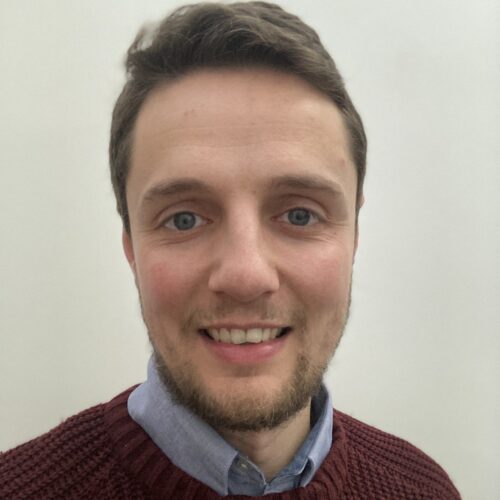
In episode four of series three of the PSPA podcast, we discuss eye care with Consultant Orthoptist, Dominic Burdon, who sheds more light on general, ongoing eye care for everyone, including the problems people living with Progressive Supranuclear Palsy & Corticobasal Degeneration can experience. Dominic also provides practical information and tips on eye care that can be useful, not only for those living with PSP or CBD, but also their carers and family members.
Episode 4 Transcript
00:00:30 Helen
Welcome to the PSPA Podcast.
00:00:33 Helen
I’m Helen Chapman, PSPA’s Communication Manager.
00:00:37 Helen
Today on the PSPA Podcast, we are going to be discussing eye care.
00:00:42 Helen
from general ongoing care for your eyes for everyone to problems people living with PSP and CBD can experience, we will be discussing them all.
00:00:52 Helen
To help provide information and tips on eye care for you, we are welcoming consultant orthoptist Dominic Burdon to the podcast.
00:01:11 Helen
Welcome, Dominic.
00:01:13 Dominic
Hi, Helen.
00:01:14 Dominic
Thank you for having me on the podcast.
00:01:15 Dominic
It’s an honour to be here.
00:01:17 Helen
No, thank you for joining us.
00:01:19 Helen
So before we delve into the topic of eye care, I was wondering if you could do a little bit of an intro, please.
00:01:27 Helen
Share a little bit about what your role is and how you provide support and care for people living with PSP and CBD.
00:01:36 Dominic
Yes, so I’m an orthoptist.
00:01:38 Dominic
I work at the Royal Eye Infirmary in Plymouth, and I run a specialist clinic for patients with complex eye movement disorders.
00:01:46 Dominic
In this clinic, we use equipment called an eye tracker to assess eye movements to a high degree of accuracy, and we work closely with the neurology department, with patients with neurodegenerative conditions.
00:02:00 Dominic
So a number of our patients that we see in the clinic are cases of PSP and CBD, and we kind of help investigate, diagnose and manage these cases.
00:02:10 Helen
Fab.
00:02:11 Helen
So could you help to explain the difference between an optician, an orthoptist and an ophthalmologist, please?
00:02:20 Helen
Because there’s a few different professionals that could be involved in people’s eye care.
00:02:27 Dominic
Yes, absolutely.
00:02:28 Dominic
It’s a question that we get asked a lot.
00:02:31 Dominic
And all of these professionals will be involved in the care of someone with PSP or CBD.
00:02:36 Dominic
But an optician is basically an expert in prescribing glasses.
00:02:42 Dominic
So they’ll do the checks to see what the strength glasses are and offer different options, whether it’s single vision lenses or bifocal lenses, which I’ll talk a little bit more about later, which is quite important with patients with
00:02:55 Dominic
PSP and CBD.
00:02:58 Dominic
Ophthalmologists are experts in eye health issues, and they will manage the overarching care of the patient.
00:03:07 Dominic
And you might see different ophthalmologists because they specialise in different things.
00:03:11 Dominic
So for example, you might see a neuro-ophthalmologist that assesses eye movements, or you might also see a oculoplastics ophthalmologist who specialises in lids.
00:03:24 Dominic
And then orthoptists, we’re experts in eye movement disorders.
00:03:28 Dominic
So our job is to test eye movements and pick up any eye movement issues with the eyes or with the lids.
00:03:38 Helen
Well, thank you.
00:03:39 Helen
That is really useful to know.
00:03:41 Helen
I didn’t know the difference myself.
00:03:44 Helen
So it’s a really great, easy to understand explanation.
00:03:50 Helen
In terms of being an orthoptist, as you are yourself, and you’ve spoken a little bit how you work with neurology departments to help provide care and support for people living with conditions like PSP and CBD.
00:04:07 Helen
I was wondering if you could explain what the main eye problems are that people living with PSP will commonly experience.
00:04:16 Dominic
Yeah, absolutely.
00:04:18 Dominic
Yeah, the orthoptist’s role is to pick up these eye conditions and treat what we can.
00:04:25 Dominic
And also we can track, we can pick up these eye conditions and record them over time to see if there’s any progression.
00:04:34 Dominic
And the final thing that’s really important when managing these cases is to ensure that the patient and the family has all the information available to them, how the eye movement problem will affect them and how they can
00:04:48 Dominic
compensate for those issues.
00:04:51 Dominic
Broadly speaking, the issues will involve how the patient moves their eyes and how they use their lids.
00:05:00 Dominic
Specifically with patients with, I’ll talk about PSP first.
00:05:03 Dominic
So PSP patients will have something called slow velocity vertical saccades, which is basically a fancy word for saying they will struggle to move their eyes up and down.
00:05:17 Dominic
And it affects the vertical eye movements before the horizontal eye movements, usually will be late stage when it starts to affect moving the eyes horizontally.
00:05:28 Dominic
And that’s because of the part within the brain that is affected initially.
00:05:34 Dominic
They will also have vertical supranuclear gaze palsy, which is quite a characteristic sign in PSP.
00:05:41 Dominic
And this is basically where they
00:05:44 Dominic
They struggle to move their eyes up and down, but rather than it being slow, they’re just not able to move in the elevated or the depressed positions.
00:05:56 Dominic
And the reason why PSP is called progressive supranuclear palsy is because most of these patients will get a vertical supranuclear gaze palsy.
00:06:07 Dominic
And supranuclear basically means that these patients
00:06:12 Dominic
voluntarily won’t be able to move their eyes, but involuntarily they will be able to move their eyes.
00:06:16 Dominic
So if you get the patient to look up and down, they will struggle to do that.
00:06:20 Dominic
But if you move their head to get them to move their eyes using the vestibular response, they will be able to move their eyes.
00:06:28 Dominic
And that basically means that some of the supranuclear pathways are getting to the area of the brain that are needed to move the eyes, but other pathways are not working.
00:06:42 Dominic
properly.
00:06:42 Dominic
So they will also get something called convergence insufficiency, where they struggle to move their eyes in and out.
00:06:54 Dominic
Other issues involve issues with the lids.
00:06:56 Dominic
So one lid issue is reduced blink rate, which is where instead of blinking, a typical blink rate would be
00:07:09 Dominic
about 14 per minute, but in patients with PSP, they only blink about twice per minute.
00:07:16 Dominic
And this can lead to issues with dry eye.
00:07:19 Dominic
So there’s things that we can do for that to help ease those symptoms.
00:07:27 Dominic
Other lid issues include blepharospasm, which is where the lids kind of spontaneously contract.
00:07:32 Dominic
And again, there’s things that we can do for that as well.
00:07:35 Dominic
I’ll talk about that a little bit later.
00:07:40 Dominic
And the final lid thing that they experience is lid opening apraxia, which is where they are not able to open their eyes after closing them.
00:07:49 Dominic
So they might kind of raise their eyebrows and try and force their lids open.
00:07:57 Dominic
The final thing that these patients can get is square wave jerks, which is where they their eyes
00:08:04 Dominic
oscillate and it’s hard to see to the naked eye, but when we assess it on the eye tracker, we can see that their eyes are kind of jerking back and forth.
00:08:12 Dominic
And if these are quite large and quite frequent, then it can disrupt their fixation and disrupt their vision.
00:08:19 Dominic
When it comes to CBD, these patients do experience some issues consistent with PSP, but they tend to be kind of less severe and later on in the disease course.
00:08:33 Dominic
These issues do cause debilitating symptoms for the patient, and these include double vision as well as the dry eye that I mentioned before.
00:08:47 Helen
And is it only an orthoptist that would notice these types of symptoms establishing, or could an optician pick up signs
00:09:01 Helen
during a routine eye check?
00:09:04 Helen
we all get called in about every two years just to double check.
00:09:08 Helen
Can they pick up anything to make relevant referrals?
00:09:12 Dominic
So an optician will certainly be able to pick up and manage the dry eye.
00:09:19 Dominic
In terms of these eye movement issues, they’re quite rare and opticians will struggle to identify these eye movement issues without
00:09:29 Dominic
a referral to an orthoptist.
00:09:31 Dominic
So it’s really important if they have any concerns that there’s a PSP picture or if there’s any kind of eye movement issue, it’s important that the patient is referred into the local eye department and they can do a full examination of the eye movements and pick up each individual eye movement and manage them accordingly to help ease those
00:09:53 Dominic
symptoms the patient might experience and provide all the kind of information and support that’s necessary.
00:10:01 Helen
And would you get a referral to an orthoptist from an optician or could you get it via your GP?
00:10:10 Dominic
Either is fine.
00:10:12 Dominic
Yeah, you can go through your GP, you can go through your optician.
00:10:15 Dominic
The majority of our referrals actually come from neurology.
00:10:18 Dominic
And that’s because a lot of patients are initially diagnosed with Parkinson’s disease, but then the neurologist finds that there’s maybe something else going on with their eye movements, which you wouldn’t usually expect with Parkinson’s disease.
00:10:33 Dominic
So that’s why that’s why the majority of our patients come through neurology.
00:10:40 Dominic
And then we do our assessment and write a letter back to the neurologist with our information.
00:10:46 Dominic
who will then kind of use that information to consider a different diagnosis other than Parkinson’s disease.
00:10:54 Helen
So you’ve mentioned Parkinson’s.
00:10:58 Helen
So how does the changes in eyes differ from what someone might commonly see in a Parkinson’s diagnosis?
00:11:08 Dominic
Yeah, so with Parkinson’s disease, it doesn’t really affect the eye movements too much.
00:11:14 Dominic
They might also have square wave jerks, which is where the eyes kind of oscillate a little bit.
00:11:19 Dominic
They might also have convergence issues where they struggle to move their eyes inwards.
00:11:28 Dominic
And the other thing that Parkinson’s disease patients might have is issues with tracking, which we don’t tend to find with patients with PSP or CVD.
00:11:40 Dominic
So yeah, slightly they have
00:11:43 Dominic
very different eye movement issues, quite minor and slightly different with Parkinson’s disease and certainly mid to late stage with PSP or some CBD patients, the eye movement issues are quite severe and quite debilitating.
00:12:00 Helen
What treatments and support is out there for anyone living with PSP and CBD that
00:12:07 Helen
starts to experience these issues with their eyes.
00:12:11 Dominic
Yeah, so with double vision, we can, the orthoptist can manage that for the patient.
00:12:17 Dominic
We can offer prisms to help join the two images back together.
00:12:21 Dominic
We can offer occlusion in different forms to help kind of block off one side so they’re not experiencing the double vision.
00:12:30 Dominic
This can come in the form of frosting or
00:12:33 Dominic
a patch or even an occlusive contact lens if that’s suitable for the patient.
00:12:41 Dominic
In terms of the dry eye, the main solution for that is eye lubricants, which can be purchased over the counter at the pharmacy.
00:12:51 Dominic
And we recommend using preservative-free eye lubricants because that means that they can use them as much as they like throughout the day.
00:13:01 Dominic
For the blepharospasm, there’s good research, good literature and good evidence supporting the useful Botox injections.
00:13:11 Dominic
So there’s good evidence that that can help for the blepharospasm as well.
00:13:20 Dominic
And as I mentioned before, we find that probably the most important treatment that we can give to patients and families is just the information and support.
00:13:30 Dominic
around how these issues will present to the patient at the different stages and how to get around these issues at home in daily living activities.
00:13:44 Helen
In terms of any treatments and aids like the prism glasses, would they get these from you or are there other avenues that they can access the treatments?
00:13:59 Dominic
So it depends what type of prism glasses are required, but the PSP Association do offer a certain type of prism glasses which help the patient look down without, or see down without having to look down.
00:14:15 Dominic
So these can help for patients that struggle to look downwards.
00:14:21 Dominic
So for certain tasks such as reading or kind of eating, these glasses can sometimes help.
00:14:27 Dominic
And in terms of the other optical appliances, they will have to come from the local eye department.
00:14:35 Dominic
So any other prisms, anything like that will come from the eye department.
00:14:42 Dominic
And one thing that’s really important with patients with PSP or CBD with a vertical eye movement problem is that
00:14:49 Dominic
bifocals or varifocals will not work because if they struggle to move their eyes up and down, they will also struggle to use the different parts of the lenses.
00:14:59 Dominic
So it’s really important with these patients that they have single vision lenses and a high street optician can prescribe those.
00:15:07 Dominic
But if the high street optician is also is not aware of the eye movement issues, then they might not
00:15:13 Dominic
fully understands that, which is why it’s I would always recommend these patients to be seen within the eye department where they could get a multidisciplinary approach.
00:15:23 Dominic
They could see the optician and the orthoptist at the same time.
00:15:28 Dominic
Pretty much all eye departments have an optician working within the eye department as well.
00:15:33 Helen
That’s good to know.
00:15:34 Helen
And also really useful information about the buried focals, because that’s something probably wouldn’t consider, especially if you’ve been
00:15:41 Helen
been using them for a while before these symptoms develop.
00:15:45 Helen
You mentioned about keeping on top of any changes and ensuring that people know how the symptoms might develop and when.
00:15:57 Helen
As part of that, should people be attending orthoptist appointments on a regular basis and what is
00:16:07 Helen
a regular basis?
00:16:08 Helen
Like how often should they come to appointments?
00:16:12 Dominic
Yeah, that’s a really good question.
00:16:14 Dominic
I think it depends on the patient.
00:16:17 Dominic
It depends on kind of how symptomatic they are, how well they’re coping with those symptoms, and how severe their eye movement issues are, and also how quickly the eye movement issues are progressing.
00:16:32 Dominic
So that will probably change depending on the patient, how soon they should be seen.
00:16:38 Dominic
But we tend to see our patients kind of between three and six months to monitor them for progression and also to ensure that they’re kind of as comfortable as possible with regard to
00:16:53 Dominic
their eye movement problems.
00:16:56 Dominic
But if they’re deteriorating more rapidly and if they’re quite symptomatic, then we will see them more regularly.
00:17:04 Dominic
And we might also see them with different clinics as well, with different professionals, depending on who is most suitable for that patient.
00:17:14 Helen
Have you got any tips for how people can look after their eyes in between appointments?
00:17:22 Dominic
Yeah, so it’s really good for us to know if things are changing at home.
00:17:27 Dominic
So I always ask our patients and our family to the families of the patients or the carers to look out for any changes in their vision, any changes in their eye movement issues.
00:17:45 Dominic
And I often will urge the patients to kind of
00:17:50 Dominic
do inform people if they have any new symptoms or any new new concerns and and let the eye department know and the the eye department can then review and get the patient in a lot sooner.
00:18:05 Dominic
Another one of the things that can be continued at home is the the drops and that’s one thing that will kind of ease those symptoms of of dry eye.
00:18:15 Dominic
So we recommend that those are kind of
00:18:19 Dominic
put in regularly.
00:18:22 Dominic
Up to four times a day is fine, although if the eye drops are preservatives free, then they can be put in more regularly.
00:18:30 Dominic
So those are the kind of things that can be done at home.
00:18:35 Dominic
And also kind of encouraging the use of optical devices and ensuring that they are trialled at home and yeah,
00:18:48 Dominic
try to see if they help with the symptoms or not.
00:18:51 Dominic
Sometimes they do, and sometimes they cause more problems than they actually solve.
00:18:56 Dominic
So it’s good to encourage the use of those optical devices so the patient can understand if they’re helpful or not.
00:19:06 Helen
Are there alternatives if, say, for example, someone gave
00:19:12 Helen
prism glasses a go to help with, you know, tasks like you said, like eating or it might even help with, you know, getting dressed, you know, putting a belt on and stuff.
00:19:22 Helen
Are there other options if something like that didn’t work for them?
00:19:28 Dominic
Yeah, so usually we start off with prisms because that enables, so if we can join the two images together, it enables the eyes to work together again.
00:19:37 Dominic
But usually because with PSP and CBD it’s progressive, the prisms will often only work for a certain amount of time.
00:19:45 Dominic
And we actually find that a lot of our patients prefer occlusion.
00:19:50 Dominic
So rather than kind of joining the two images back together with a prism, kind of blocking off one side with some frosting or some patching often is more comfortable for our patients.
00:20:04 Dominic
So yeah, we have kind of different options, really, when it comes to managing symptoms.
00:20:09 Dominic
And if one optical device is not working, then it’s it’s really important that the patient and the family get in touch with us and say, this is not quite right.
00:20:20 Dominic
It’s not working.
00:20:20 Dominic
We’ve tried it.
00:20:22 Dominic
Please, could we try something else?
00:20:24 Dominic
And in a lot of cases we will get the patient back in and review.
00:20:31 Dominic
or alternatively, what we could do is
00:20:34 Dominic
sometimes, in some cases, send out some other options in the post.
00:20:39 Helen
That’s quite reassuring to know that.
00:20:42 Helen
because I guess, like, if when you issue different devices, there can be a bit of a panic.
00:20:47 Helen
If something doesn’t work, it doesn’t sort of suit you well, that you’ve got to try and force it.
00:20:55 Helen
But to know that there are
00:20:57 Helen
other options out there, it means that, you know, it is reassuring to know that there are different things people can try.
00:21:05 Dominic
Yeah, we understand that people have different lifestyles.
00:21:09 Dominic
Some people might do a lot of close work, some people might get out and do more activities outside.
00:21:17 Dominic
So, yeah, optical devices does depend on the lifestyle of the patient and the
00:21:24 Dominic
some patients get on well with some and other patients need to find an alternative.
00:21:30 Dominic
So yeah, it’s about kind of taking each patient as an individual and sometimes it is the case of a bit of trial and error, trying different things and seeing what works for the patient.
00:21:45 Dominic
So that, yeah, unfortunately that does mean that sometimes it’s difficult to find the perfect solution straight away.
00:21:53 Dominic
But yeah,
00:21:54 Dominic
good communication with the patients and the families and with the eye department is really crucial to ensure that the patient is as comfortable as possible.
00:22:03 Helen
Because obviously people can have issues with their eyes that aren’t necessarily related to PSP or CBD.
00:22:13 Helen
How would someone know the difference between what is related to their condition and what isn’t?
00:22:22 Helen
Would the orthoptist
00:22:23 Helen
cover all elements of care or would they just focus on the PSP or CBD elements and they’d go to the high street optician for anything else?
00:22:36 Dominic
Yeah, so with PSP and CBD, the eye movements will be affected.
00:22:41 Dominic
So we expect there to be symptoms associated with that.
00:22:46 Dominic
We don’t expect the visual acuity or the clarity of the vision to be affected.
00:22:52 Dominic
So it’s really important that if there are concerns that there’s any visual distortion or visual acuity is reduced, there’s some blurry vision, that suggests that there might be something else going on, so a different eye condition.
00:23:09 Dominic
It might just be as simple as the glasses need updating, but it could also mean that there’s a– could also be that there’s a different eye condition.
00:23:19 Dominic
So in these cases, again, really important to contact the eye department.
00:23:24 Dominic
And this is where we’re very fortunate in the eye department to have these different professionals that we can work with.
00:23:31 Dominic
So if we have a concern that maybe the glasses do need updating, we can arrange for the patient to see an optometrist at the eye department.
00:23:40 Dominic
If there’s a concern something else is going on, we can book for the patient to be seen by an ophthalmologist to check the health of the eye and
00:23:48 Dominic
invest fully investigate that and treat that issue.
00:23:53 Dominic
So yeah, in terms of the issues that we expect at home, we expect there to be eye movement issues and hopefully they’re managed already.
00:24:04 Dominic
But if there’s any issues with the vision, then it’s important that the eye department is notified and we can get that fully investigated.
00:24:12 Dominic
Usually if a patient is under the
00:24:16 Dominic
eye department.
00:24:17 Dominic
They will have assessments with the optician at the eye department, but not necessarily.
00:24:25 Dominic
It might be that they’re perfectly happy going to their optician for glasses checks.
00:24:29 Dominic
They’re the high street optician and then the rest of the eye care is supported within the eye department.
00:24:36 Helen
If you spotted anything, you might make a recommendation to go back to your optician or make a referral to the relevant professional.
00:24:44 Dominic
Exactly.
00:24:45 Dominic
Yeah.
00:24:46 Dominic
So we’ll, in some cases, we give them the option.
00:24:49 Dominic
Would you like to go to an optometrist at the eye department or go back to your high street optician?
00:24:56 Dominic
Sometimes they find it more convenient to go to their high street optician because then they can go back to that optician for any repairs or replacements for the glasses.
00:25:07 Dominic
Or another option is you get the, have the test done at the eye department, but then get the glasses made-up at the optician.
00:25:15 Dominic
So, yeah, there’s lots of different kind of options with regard to that.
00:25:20 Dominic
And yeah, we quite often sit down and offer the patient what we can do and they can decide what is best for them.
00:25:31 Helen
So if they are seeing different eye professionals, so
00:25:35 Helen
they’ve got their optician that they go to regularly for their glasses or contact lenses, but they’re seeing an orthoptist as well.
00:25:46 Helen
How can someone who’s living with PSP or CBD ensure
00:25:51 Helen
that it’s kind of all joined up, that the different eye professionals know about their condition and how that might affect them.
00:25:59 Dominic
Yeah, it’s really important for the optician at the high street to know the diagnosis and also understand the eye movement issues.
00:26:11 Dominic
So what we usually, what we suggest is after our assessment, we write a clinic letter explaining everything.
00:26:20 Dominic
and that will go to the patient.
00:26:21 Dominic
And we advise if they are keen to go to the high street optician for examinations, we advise they take the clinic letter with them to the appointment so the optician is aware and also to ensure that the patient, the family, the carer informs the optician of the history.
00:26:42 Dominic
And usually the
00:26:45 Dominic
we would expect the optician to do a case history anyway and find out that information.
00:26:50 Dominic
But just to be on the safe side, it’s definitely worth informing the optician of that history.
00:26:59 Dominic
And also in terms of us getting the information from the optician, it’s great if we can also get a copy of their report as well.
00:27:09 Dominic
Unfortunately, there’s no, the information is not put on the same system
00:27:13 Dominic
So we have to rely on getting both and receiving reports.
00:27:18 Dominic
But that is, there’s one argument for potentially keeping everything within the eye department because all of the notes within the eye department are kind of kept on one system.
00:27:28 Dominic
So we’re all, we’re all aware of what’s going on with the patient.
00:27:32 Dominic
But we understand that sometimes that’s not very convenient having regular glasses checks at an eye department because some,
00:27:40 Dominic
of our patients travel a long way.
00:27:42 Dominic
And we do realise that these patients that might struggle with their mobility will find it difficult to come to appointments.
00:27:53 Dominic
So we try and we do also try and get appointments on the same day.
00:27:56 Dominic
So if a patient needs to see an orthoptist and an optician or an orthoptist and an ophthalmologist, we try and book it as a joint appointment as well for that reason to make it as easy as possible for the family.
00:28:08 Dominic
And
00:28:10 Dominic
If a family does receive different appointments at different dates at the same eye department, it’s worth maybe contacting the eye department and asking if it’s possible to get them on the same day, because a lot of the time you can shuffle appointments around and it could be an option.
00:28:29 Helen
That’s good to know.
00:28:31 Helen
There are some opticians, I think, that do some home testing as well, but obviously that would just be
00:28:40 Helen
for your sight problems if you need glasses or contact lenses.
00:28:47 Dominic
Yeah, that’s another really good option as well.
00:28:49 Dominic
Yeah, you have domiciliary opticians that can come out and do the assessment.
00:28:54 Dominic
Again, it’s just important that they have all the background history when they do come out for the assessment.
00:29:01 Helen
If
00:29:02 Helen
It’s not all within one department.
00:29:05 Helen
How do people ensure that the optician or the eye professional does have all the relevant background information?
00:29:14 Dominic
So that comes back to us writing a clinic letter with all the information and asking the patient and the family to give that to the optician when they come out to kind of ensure that they have the information.
00:29:32 Dominic
So that would be the best solution to give them the clinic letter, which has the information from the most recent up-to-date assessment with us.
00:29:44 Helen
As well as your local optician and the hospital-based eye care that people might receive support from, are there any other charities or organisations that people could get some support from?
00:29:58 Dominic
There are, yeah, there’s some really great vision charities in England.
00:30:03 Dominic
So for example, there’s the RNIB, See Ability, there’s Guide Dogs.
00:30:09 Dominic
So there’s lots of these vision charities that offer amazing support for patients that have vision issues.
00:30:18 Dominic
There’s also
00:30:20 Dominic
charities that can provide audiobooks as well.
00:30:23 Dominic
So patients with PSP and CBD, they might struggle to read because of their issues with moving their eyes or their issues with tracking.
00:30:34 Dominic
And this can mean that audiobooks are more suitable for these patients.
00:30:40 Dominic
So there’s, I think the RNIB and your local library can offer audiobooks to these patients.
00:30:49 Dominic
And these patients really value that because a lot of them are avid readers.
00:30:54 Dominic
And when they lose that, it really, really affects their quality of life.
00:30:59 Helen
Yeah, I agree.
00:31:00 Helen
I’ve heard that.
00:31:01 Helen
We actually, PSPA work with RNOB to ensure that, you know, our quarterly magazine is also available as audio files.
00:31:13 Helen
And they’ve also been kind of helping us to ensure the website is accessible as possible and would
00:31:19 Helen
work with any assistive technologies that people might use if they do have some eye issues.
00:31:27 Dominic
Brilliant.
00:31:29 Helen
Do you have any final advice for anyone living with PSP or CBD?
00:31:35 Dominic
So my final advice probably would be to don’t feel you have to kind of deal with your ovular symptoms alone and if you do have any
00:31:46 Dominic
concerns, do pass it on to your carers, your family, your local eye department.
00:31:51 Dominic
And although we cannot cure the cause of the eye issue, we can kind of treat the symptoms and ensure you are able to kind of use your vision to the best of your ability at every stage of your disease.
00:32:05 Dominic
So please do contact your eye department and we can offer as much support as we can to help.
00:32:15 Dominic
alleviate those those symptoms that you’re experiencing.
00:32:20 Helen
Brilliant, thank you.
00:32:20 Helen
Really appreciate you talking to us today.
00:32:25 Helen
It’s been really informative.
00:32:26 Helen
And hopefully, all our listeners have picked up some tips and information that will help with their eye care.
00:32:42 Helen
If
00:32:42 Helen
If anyone’s got any questions about anything that’s been discussed in this podcast, you can get in touch with our helpline by emailing helpline@pspassociation.org.uk, or you can call them on 0300 0110 122.
00:33:04 Helen
Thank you.
DRIVING AND GETTING ABOUT
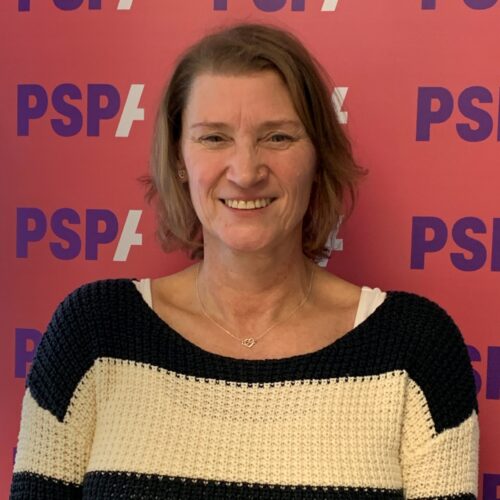
In episode five of series three of the PSPA podcast, we discuss driving and getting about after being diagnosed with PSP or CBD. To help you plan your day-to-day errands, days out, or even a holiday away, we discuss driving and other ways to get out and about with our Helpline Care Navigator, Dionne Ward.
Episode 5 Transcript
00:00:32 Helen
Welcome to the PSPA Podcast.
00:00:35 Helen
I’m Helen Chapman, PSPA’s Communication Manager.
00:00:39 Helen
And today I’m here to discuss driving and getting about after being diagnosed with PSP or CBD.
00:00:46 Helen
This is a common question that our helpline here.
00:00:50 Helen
And as we thaw from the winter months, getting out and about more is often on our minds.
00:00:57 Helen
So to help plan your day-to-day errands,
00:01:01 Helen
days out or even a holiday away.
00:01:03 Helen
We’ll be discussing driving and other ways you can assure you can get about safely.
00:01:19 Helen
To help Dave into this subject, I am joined by Dionne Ward from the PSPA helpline.
00:01:26 Helen
Welcome, Dionne.
00:01:28 Dionne
Hello, Helen.
00:01:30 Helen
So before we get started in discussing the topic, I was wondering, it’d be great if you could quickly cover what you do in your role as a helpline care navigator, please.
00:01:43 Dionne
Yes, so I support people across Wales who have been diagnosed with progressive supranuclear palsy or corticobasal degeneration, as well as supporting their carers, family or loved ones.
00:01:56 Dionne
I also support healthcare professionals in the form of telephone or e-mail advice or education sessions.
00:02:05 Dionne
Recently, I’ve been part of running a PSP and CBD clinic in Newport and Swansea areas as well.
00:02:12 Dionne
So yeah.
00:02:15 Helen
Oh, fab.
00:02:17 Helen
Good to hear about supporting the clinic.
00:02:20 Helen
So anyone listening might and is located in that area might get to meet Dionne face to face.
00:02:28 Helen
So getting back to the subject of the podcast, driving and getting about.
00:02:35 Helen
Following a diagnosis, we regularly hear from individuals and families who want to discuss whether or not they should still drive.
00:02:44 Helen
Once someone has received a diagnosis and they are a driver, what should they do?
00:02:50 Helen
Should they contact the DVLA straight away?
00:02:54 Dionne
Yeah, well, legally, the person is required to inform their insurer and the DVLA of their diagnosis.
00:03:02 Dionne
And failure to inform the insurer may invalidate the policy.
00:03:06 Dionne
So it is important.
00:03:08 Dionne
This does not mean that your license will automatically be withdrawn immediately, though.
00:03:13 Dionne
The DVLA will probably ask the GP or consultant for a medical report to ensure that the person is still safe to drive.
00:03:22 Dionne
However, dependent upon the symptoms, it may be possible for the person to continue driving with PSP and CBD until symptoms change.
00:03:32 Dionne
The person may find that they want to stop driving before then, as driving may become more challenging and they may not feel actually safe doing so.
00:03:41 Dionne
There is further information on the DVLA medical inquiry site on the gov.co.uk to look at as well.
00:03:49 Helen
So if during a report from a GP it’s recommended that someone should stop driving but the individual still feels safe being a driver, is that a decision that can be appealed?
00:04:05 Dionne
Yes, it is.
00:04:05 Dionne
You can challenge a GP’s advice to stop driving.
00:04:10 Dionne
It’s not actually the GP that legally revokes the license.
00:04:13 Dionne
That decision is the responsibility of the DVLA.
00:04:17 Dionne
So you can also get a second opinion from another doctor if you aren’t happy with what the first doctor has written to the DVLA.
00:04:29 Dionne
So you could get a second opinion and it actually would be the DVLA that made the decision about whether you have your license revoked or not.
00:04:39 Dionne
However, what I would say is obviously the GP’s advice does need to be taken seriously.
00:04:44 Dionne
So make sure you have a full and frank conversation with your GP about your symptoms.
00:04:49 Helen
Okay, thank you.
00:04:51 Helen
I agree that it is a difficult decision to make.
00:04:57 Helen
to stop driving because I know people can feel like there’s a big loss of independence, but it is definitely something to take seriously.
00:05:08 Helen
If they were recommended to stay driving, would they have to take a driving assessment in order to continue driving?
00:05:18 Dionne
The DVLA will sometimes require a person to attend a driving centre and to be assessed for their ability to drive safely.
00:05:27 Dionne
The assessment may include things such as, has PSP or CBD affected your driving ability?
00:05:34 Dionne
Can you judge distances accurately?
00:05:37 Dionne
Do you experience confusion regarding the rules of the road?
00:05:41 Dionne
Things like, are you able to physically and mentally act quickly in the event of an emergency?
00:05:49 Dionne
And they will be assessing your safety and the safety of those around you.
00:05:53 Helen
Yeah, that’s a lot.
00:05:55 Helen
a lot to think about then in that assessment.
00:06:00 Helen
If people are allowed to continue driving with their PSP or CBD diagnosis, could they access support from a scheme like Motability?
00:06:11 Helen
What is Motability and what is the criteria for applying?
00:06:17 Dionne
So Motability is the scheme that allows people on certain benefits to enjoy a new car or a scooter or a powered wheelchair without the worry of owning or running one.
00:06:28 Dionne
I think they say at the moment around 600,000 people with disabilities and their families are benefiting from this scheme.
00:06:35 Dionne
So it’s obviously a worthy scheme to look at.
00:06:40 Dionne
The eligibility element of that
00:06:44 Dionne
So you can apply to join the mobility scheme if you receive an enhanced rate of mobility under the PIP, which is Personal Independence Payment.
00:06:55 Dionne
If you get the higher rate mobility under the part of the Disability Living Allowance, the DLA, the enhanced rate mobility part of the adult disability payment, which is available in Scotland,
00:07:12 Dionne
Also in Scotland, it would be the higher rate mobility component of the child disability payment.
00:07:20 Dionne
Also, if you have the War Pensioners Mobility Supplements, which is the abbreviation is WPMS, and the Armed Forces Independent Payment, AFIP,
00:07:36 Dionne
You need to have had at least 12 months left on your allowance if you’re applying to join the scheme.
00:07:42 Dionne
And you can check your award length on your allowance award letter, or you can contact your allowance provider and they will let you know.
00:07:53 Dionne
So there’s also a driving assessment grant, DAG.
00:07:57 Dionne
DAG is grant funded scheme supported by Motability Foundation.
00:08:02 Dionne
to assist drivers with disabilities who are not mobility, Motability customers.
00:08:09 Dionne
So this grant can help towards the costs of driving assessments or vehicle adaptations and familiarisation lessons at a driving mobility centre.
00:08:22 Dionne
That grant is available to disabled people who receive certain state benefits or are on low incomes.
00:08:29 Dionne
So if you contacted your local driving mobility centre, they can discuss that a little bit more with you.
00:08:36 Dionne
That grant aims to pay for a driving assessment at the mobility centre and recommend any vehicle adaptations.
00:08:45 Dionne
They are one of payments and any future maintenance alterations or updates relating to any adaptations are not covered.
00:08:53 Dionne
So it’s worth bearing that in mind.
00:08:56 Helen
I didn’t know about that second grant that you’ve mentioned, so that’s definitely worth knowing about.
00:09:02 Helen
But in terms of eligibility for either Motability or that grant, it does seem like it depends very much on the individual circumstances.
00:09:14 Helen
If you are unsure, if you are eligible for Motability, you can
00:09:19 Helen
Get in touch with the PSPA helpline.
00:09:21 Helen
He’ll be able to talk through the criteria with you.
00:09:24 Helen
And if you would be eligible, you can contact the helpline on 0300 0110122.
00:09:36 Helen
Moving on from schemes that can help with the assisting with purchasing a car or driving assessments,
00:09:48 Helen
or adaptations onto more accessibility to parking.
00:09:54 Helen
Can people diagnosed with PSP or CBD apply for the Blue Badge scheme?
00:10:00 Helen
What does that scheme enable people to do?
00:10:04 Helen
And do you have to be the driver in order to apply for the Blue Badge scheme?
00:10:10 Dionne
So the Blue Badge scheme is a UK based scheme and it provides special parking rights for people with severe mobility issues or hidden disabilities.
00:10:20 Dionne
So what it does is it allows them to park closer to destinations, often in disabled bays or on yellow lines for limited times.
00:10:29 Dionne
So please bear that in mind, but without charge.
00:10:33 Dionne
They’re normally administered by local councils.
00:10:37 Dionne
Particularly helps people with conditions like severe walking difficulties or certain mental health issues, whether driving or as a passenger.
00:10:47 Dionne
And yes, people who have been diagnosed with PSP or CBD can apply for the Blue Badge scheme.
00:10:53 Dionne
However, not everyone will be eligible.
00:10:57 Dionne
Some people may automatically qualify for the scheme if they meet certain criteria, such as
00:11:04 Dionne
the person receives a higher rate disability allowance under the mobility component, or the person receives the personal independence payment or PIP, scoring eight plus for moving around, or 10 for planning and following journeys as part of the PIP assessment.
00:11:23 Dionne
If the person is registered blind,
00:11:26 Dionne
if they receive war pensioners mobility supplement or if they receive a lump sum benefit from the Armed Forces Compensation Scheme.
00:11:35 Dionne
That comes under tariffs level 1 to 8 and if they have a permanent impairment preventing them from walking.
00:11:44 Dionne
If anyone falls into these categories, I mentioned it before, but they can apply directly at gov.uk or they can give us a call on the helpline at PSPA.
00:11:55 Dionne
Some people might be eligible if they have the inability, if they have severe walking difficulty, so the inability to walk or considerable difficulty in their walking, if they have a hidden disability such as autism, dementia or anxiety, if they have an arm disability, so severe disability to both arms, or if they have a personal, if they have, sorry, if they have a terminal illness.
00:12:25 Dionne
So that would be a life-limiting illness and that would be accompanied by an SR1 form.
00:12:31 Dionne
So that would be something to discuss with a GP.
00:12:35 Dionne
If anyone falls under these categories that I just mentioned, they can apply for the Blue Badge scheme online.
00:12:42 Dionne
That would be via their council and the council may arrange for an assessment with a healthcare professional.
00:12:48 Helen
Thanks, Gion.
00:12:49 Helen
I think it’s really
00:12:50 Helen
helpful to know that you don’t have to be the driver in order to apply.
00:12:56 Helen
This means that any carers or families who regularly drive around with their loved one living with PSP or CBD can apply to the scheme to help with getting out and about so that you can access better parking bays.
00:13:18 Dionne
Yeah, it makes such a huge difference to families and to people with these conditions.
00:13:23 Helen
Definitely can take the worry out of having to navigate a long distance from, say, a car park to the shop’s entrance or a doctor’s surgery entrance.
00:13:37 Helen
So it is a great scheme.
00:13:41 Dionne
One thing I would say, Helen, is that often I speak to people maybe in the earlier stages of their diagnosis who don’t want to apply for the blue badge for various reasons.
00:13:51 Dionne
And that is absolutely okay if you don’t.
00:13:53 Dionne
But what I would say is, as early as you can, get that application in for the blue badge, because it does make a huge difference to getting out and about.
00:14:02 Helen
Yeah, and it can obviously take time to process that application before you
00:14:11 Helen
receive the blue badge if you’re successful.
00:14:16 Helen
And we always recommend, don’t we, to try and get on top of things as early into the diagnosis as possible so that everything’s all in place for when you actually do need it if you don’t need it at that moment.
00:14:31 Dionne
Yeah.
00:14:33 Helen
So if someone can’t drive anymore, what recommendations are there?
00:14:39 Helen
that they can, so that they can still get about and still be part of their community, see their friends and families, do their errands.
00:14:49 Dionne
So the first thing probably we would ask is, are there any friends and family or neighbours or loved ones who can drive?
00:14:59 Dionne
And to have a chat with those people around you and see if they can support you to get out and about.
00:15:08 Dionne
And and if if it’s if the difficulty is getting in and out of a car, then adaptation adaptations may help that.
00:15:16 Dionne
So for example, you can get seats that that twist.
00:15:19 Dionne
So it might be that you have a seat that twist that goes in other people’s cars when they when they take you out.
00:15:26 Dionne
That would be something to ask the occupational therapist about actually if if it is that somebody else is taking you out about.
00:15:32 Dionne
and getting in and out of a car is difficult.
00:15:35 Dionne
But yeah, I’d say the first port of call normally is we would say, is there anyone around you, friends, family, loved ones, neighbours, that you might be able to ask and get support from?
00:15:46 Dionne
There are things like community transport services and these are very different in different areas.
00:15:52 Dionne
So I would highly recommend calling your helpline care navigator at PSPA to have a chat about these.
00:16:00 Dionne
They will be able to help you see what is in your area, work out what local transport services there are.
00:16:07 Dionne
You can also search on the gov.uk website for community transport services and shop mobility and you pop your postcode in.
00:16:17 Dionne
some areas there are private drivers who will take you to a place and wait and bring you back.
00:16:23 Dionne
There would be a cost to that.
00:16:25 Dionne
and they are sometimes hard to find.
00:16:27 Dionne
Again, I would recommend speaking to your helpline care navigator at PESPA or any support groups you go to, any healthcare professionals you might see or any local networks that you might have because they might know in your area what local transport there is.
00:16:49 Helen
I know in my area, so I live in Northamptonshire, there’s a volunteer driver scheme available.
00:16:58 Helen
I think you pay like an annual membership fee and then you pay a subsidised amount for your journeys.
00:17:06 Helen
And that’s there to kind of help you get to medical appointments, dentist appointments, or go and get your shopping, bits like that.
00:17:17 Helen
And they can be
00:17:18 Helen
really useful schemes to join up to.
00:17:22 Dionne
And there’s some areas there are, I cover Wales and where I live, we have an organisation called Pavo who are a voluntary organisation and you can phone their helpline and they know what community transport is in the area.
00:17:37 Dionne
So yeah, it’s about speaking to people in the community or your helpline care navigator at PSPA, you know, get some help with that.
00:17:45 Dionne
Don’t feel like you’re on your own and happen to find that.
00:17:49 Helen
Yeah, great.
00:17:50 Helen
the helpline is a great resource to tap up for signposting onto local services and support.
00:17:59 Helen
Now, I mentioned earlier before that giving up driving, it can feel like a massive loss to your independence, but it doesn’t have to be that way.
00:18:10 Helen
What would you say to anyone who might be feeling a bit like that?
00:18:17 Dionne
Absolutely, Helen.
00:18:18 Dionne
I’d say it can be really worrying to feel that for most people, that’s a big part of their independence for those of us that drive.
00:18:25 Dionne
So a huge loss, really, when you find out that you’re not able to do that anymore.
00:18:35 Dionne
I guess what I would say is that give yourself a bit of time to allow those feelings to be and then
00:18:45 Dionne
I think it’s about understanding that it may feel that you’ve lost your independence because the driving license has been taken away.
00:18:55 Dionne
However, it doesn’t stop you from getting out and about.
00:18:58 Dionne
It’s about finding the right people to support you with that.
00:19:02 Dionne
Having conversations, reaching out, reaching out to us or to people around you, to local support groups and networks and finding out what’s out there.
00:19:12 Dionne
And you might actually be surprised.
00:19:14 Dionne
And sometimes what I think it can do is open other avenues for people as well, because potentially then if you are going out and using community transport, you’re meeting other people that might be having similar struggles or you’re able to make a different network that you may not have realised before.
00:19:31 Dionne
So sometimes there can be some different benefits when life changes, I guess.
00:19:39 Helen
Yeah, I think that’s a, I think that’s a great way of looking at it.
00:19:42 Helen
And I completely agree that, community transport can open up a new network of people that you can see and speak to on a regular basis.
00:19:51 Helen
So it’s definitely worthwhile having a look at what is about for you in your area.
00:20:00 Helen
So as well as like community transport, if people are still
00:20:05 Helen
I feel comfortable getting out and about on public transport.
00:20:09 Helen
Are there any discount passes available?
00:20:13 Dionne
There are, and they are different in different areas.
00:20:17 Dionne
So I’ll go through the different areas if that’s okay.
00:20:19 Dionne
So for England, as part of the English National Concessionary Travel Scheme, it’s quite a mouthful, isn’t it?
00:20:27 Dionne
You may be eligible for a disabled bus pass.
00:20:31 Dionne
So the best thing to do is either, again, I keep saying this, but contact us, your helpline care navigators at PSPA, or you can contact your local council to find out who issues the bus passes in your area.
00:20:46 Dionne
So that’s England.
00:20:48 Dionne
Scotland, you get a free bus pass if you’re disabled and live in Scotland, and you meet the eligibility criteria.
00:20:56 Dionne
You can also in Scotland get free travel for a companion if you qualify for it, so that’s worth knowing.
00:21:03 Dionne
And again, either speak to your helpline care navigator in Scotland or you can go on the mygov.scot/disabledbuspass and you can get some more information from there.
00:21:17 Dionne
For Wales, you do get free bus travel.
00:21:22 Dionne
Again, like some of the other things, you may qualify for it.
00:21:25 Dionne
So contact your local council or ask at PSPA to find out.
00:21:32 Dionne
In UK wide, you can get a disabled person’s rail card.
00:21:36 Dionne
So that means you get one third off of rail fares for both you and a friend or a carer with a disabled person’s
00:21:46 Dionne
rail card.
00:21:46 Dionne
So that’s what you would get with that rail card.
00:21:50 Dionne
And they’re available on the Disabled Persons Rail Card website.
00:21:55 Helen
That’s really worth knowing about the discount that applies to your carer or friend or family member as well.
00:22:03 Helen
Are there any other aids available to ensure people can get about as safely as possible?
00:22:10 Dionne
Yeah, so with regards to travelling in a vehicle and then getting to and from the vehicle to the destination, it would be worth speaking to your occupational therapist, have an assessment.
00:22:22 Dionne
They can give you some advice on what extra aids would be helpful.
00:22:27 Dionne
There are various aids to get in and out of cars and to help you travel from and to your destination, such as a rollator,
00:22:38 Dionne
wheelchairs, things like swivel seats can be really helpful.
00:22:41 Dionne
I touched on it just a minute ago, can help you get in and out of the car without twisting too much.
00:22:48 Dionne
There’s also supportive car handles.
00:22:50 Dionne
They’re kind of, they’re like handles that can go on the car as you get in and out so that you can give yourself some extra support and things like
00:23:00 Dionne
a hoist to help lift someone in and out of a car.
00:23:03 Dionne
But your occupational therapist is definitely the best person to do an assessment and make sure you’ve got the right mobility aids to travel.
00:23:12 Helen
Yeah, I have seen those handles for cars being advertised and they do look really handy.
00:23:19 Helen
I think it can often, when you swivel around, you’ve got your legs out, you can lean forward and
00:23:26 Helen
use the door to put some weight on.
00:23:29 Helen
But then often it’s like, what do you use for the other side to kind of push on, push up on?
00:23:37 Helen
And they can attach to the car kind of by the side of the seat to give you another platform to kind of push your weight up on and get out.
00:23:46 Helen
So I think they look really, really useful.
00:23:50 Helen
And in terms of accessing these aids, you mentioned occupational therapist.
00:23:57 Helen
How would someone, if they’ve not already had an assessment, how would someone go about getting that assessment in place so that they could look at what aids they need?
00:24:08 Dionne
Often if someone has a neurologist or a geriatrician or a consultant, they will refer the person for occupational therapy.
00:24:17 Dionne
If you don’t see your consultant very often, you could ask the Parkinson’s nurse, if you have a Parkinson’s nurse or your GP, they could refer to occupational therapy.
00:24:29 Dionne
If you feel like you don’t know who to ask, again, I would always say pick up the phone to us because we can help you and steer you in the right direction.
00:24:38 Helen
And I’m guessing it’d be the OT as well as part of this same process that if say you need something like a walk
00:24:47 Helen
looking frame or rollator or wheelchair in order to get from the car to your destination, that’d be the ones that would be able to help with that as well.
00:24:57 Dionne
Yeah, absolutely.
00:24:58 Dionne
Any type of mobility really, occupational therapist or OT would be the person to sort of assess your mobility, see what your needs are, track to you about, you know, are you going out in the car?
00:25:11 Dionne
What sort of distances do you need to travel?
00:25:13 Dionne
And then they can advise on the best mobility aids for you to be able to
00:25:18 Dionne
to live in the way that you wish to live.
00:25:21 Helen
Great.
00:25:22 Helen
Are there any other tips that might help people plan their outings?
00:25:27 Dionne
One thing I would say, it kind of leads a little bit to what I was saying before, is often I hear from people that, or people, I hear from people that they don’t want to bother someone or they don’t think they can do something.
00:25:40 Dionne
But what I would say is just from having those conversations, you’ll probably be surprised at what you can do.
00:25:45 Dionne
So for example, people might not know
00:25:47 Dionne
about the external car handles that you just, talked in a little bit more detail about.
00:25:54 Dionne
So sometimes I think you might feel that, well, there’s nothing I can do.
00:25:58 Dionne
But once you’ve had a few conversations with the right people, you find out that, oh, there are these other aids that actually could help me get into my loved one’s car or get in and out of a car easier or walk about.
00:26:09 Dionne
So, yeah, please do talk to your healthcare professionals or us.
00:26:16 Dionne
to keep you as mobile as possible and as independent as possible.
00:26:19 Dionne
One other area I would suggest is worth looking at is our online forum, which is called Health Unlocked.
00:26:26 Dionne
So the forum has a wealth of information shared by other people who have been diagnosed with PSP or CBD or their loved ones and carers.
00:26:38 Dionne
It’s a really useful peer-to-peer
00:26:43 Dionne
format.
00:26:44 Dionne
So there’ll be lots of people on there talking about, oh, my mum has PSP, we bought her this item to help her get in and out of the car.
00:26:55 Dionne
And lots of people posting questions of a similar thing.
00:26:57 Dionne
Well, what can I do for my husband?
00:27:00 Dionne
I still want to take him out or he still wants to be able to drive.
00:27:03 Dionne
Have you got any suggestions in regards to AIDS or that kind of thing.
00:27:08 Dionne
So yeah, I’d recommend having a look at Health Unlocked for some advice from other
00:27:13 Dionne
people in similar circumstances.
00:27:16 Helen
You can also read about different people’s personal experiences in PSPA Matters, our quarterly magazine.
00:27:25 Helen
We regularly feature experience of people living with the conditions in the magazine and actually our edition in December
00:27:36 Helen
So the last edition of 2025, it did actually include some experiences of people who access support grants from us, PSPA, in order to help them with their day-to-day living.
00:27:50 Helen
And it included one couple who used the grant to help get an electric wheelchair.
00:27:57 Helen
And that sort of enabled them to spend a little longer outside, go for a walk down the coast,
00:28:05 Helen
take a look at the shop displays rather than just head straight to the cafe for a drink and then straight back to the car again.
00:28:14 Helen
So that’s also a wealth of information for the magazine.
00:28:17 Helen
So if you’re not already subscribed, please do get in touch and we can ensure you receive a copy.
00:28:24 Helen
So you mentioned that an OT might recommend different aids and equipment
00:28:29 Helen
to help them get out and about or in and out of a car.
00:28:32 Helen
Are there any funding available that could help them purchase any of the equipment that is recommended?
00:28:41 Dionne
Yes, certainly.
00:28:42 Dionne
I mean, some of it may be paid for by local authority.
00:28:46 Dionne
So it’s worth having that chat with an occupational therapist.
00:28:50 Dionne
But if it isn’t, then PSPA offer a support grant of up to 300 pounds.
00:28:56 Dionne
So that could be used for anything that makes the person’s daily life better.
00:29:02 Dionne
That would certainly be for something like a mobility aid for the car, like a swivel seat or towards a wheelchair or a rollator.
00:29:09 Dionne
So yeah, speak to us about the support grant.
00:29:14 Dionne
If you need to purchase something, one of the mobility aids, yeah.
00:29:28 Helen
The helpline is here to help.
00:29:30 Helen
If you have any questions off the back of the discussion we’ve had today, you can e-mail them at helpline at pspassociation.org.uk or you can call on 0300-011-0122.
00:29:48 Helen
Also, we would love to hear about the different ways that you’ve found have helped you
00:29:55 Helen
to get out and about.
00:29:56 Helen
So if you do have any ideas or experiences of getting mobility aids or anything that has helped you get in and out of a car or ensure you still manage to visit your friends and family, we’d love to hear from you.
00:30:10 Helen
So do post up on our social media platforms on Facebook and Instagram.
00:30:15 Helen
It’s at PSP Association on Facebook and Team PSPA on Instagram.
00:30:23 Helen
Thank you.
Brain Donation
Brain donation enables researchers to learn more about the brain and the reasons why it might degenerate, which includes conditions such as PSP & CBD.
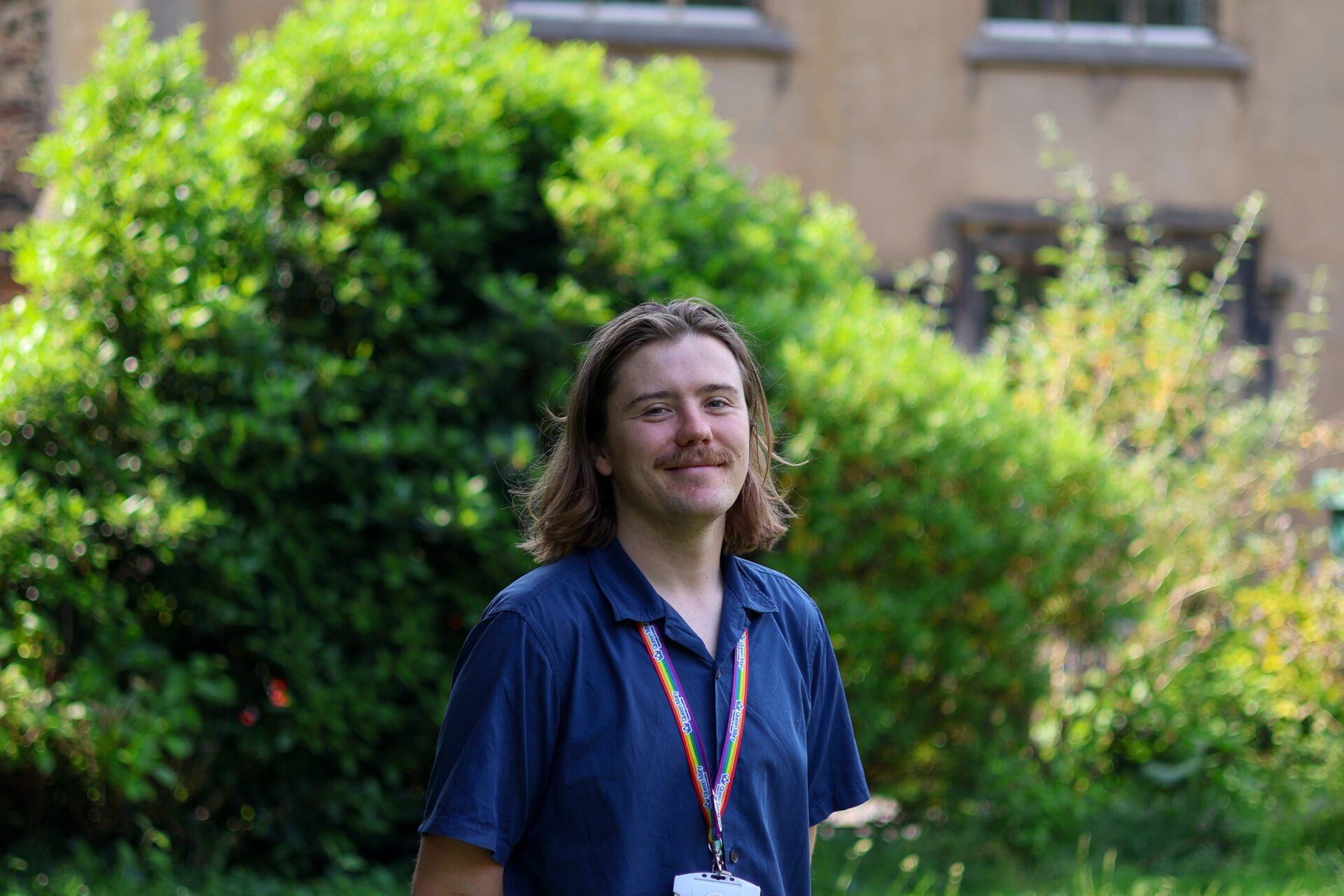
To help bust the myth around brain donation and explain more about it, and the difference valuable donations can make, we spoke to Rory Turkmen-Smith, who works at the Parkinson’s UK Brain Bank at Imperial College, London.
Episode 6 Transcript
00:00:30 Helen
Welcome to the PSPA Podcast.
00:00:33 Helen
I’m Helen Chapman, PSPA’s Communication Manager.
00:00:37 Helen
And today on the podcast, we will be covering the sensitive subject of brain donation.
00:00:43 Helen
Brain donation enables researchers to learn more about the brain and reasons why it might degenerate, which includes conditions such as PSP and CBD.
00:00:53 Helen
to help myth-bust brain donation and explain more about it and the difference valuable donations can make.
00:01:00 Helen
I am speaking to our research coordinator, Megan Hodgson, and Rory Tuckman-Smith, who works at the Parkinson’s UK Brain Bank at the Imperial College London.
00:01:22 Helen
Welcome.
00:01:24 Megan
Hi, thanks for having me.
00:01:25 Megan
And very nice to be here.
00:01:27 Helen
So before we start delving into the subject of brain donations, I was wondering if you could both say a little bit about what you do at PSPA and also at the Parkinson’s UK Brain Bound, please?
00:01:42 Megan
Sure.
00:01:43 Megan
So I’m Megan Hodgson.
00:01:45 Megan
I’m the research coordinator for PSPA.
00:01:48 Megan
I’ve been with the charity
00:01:50 Megan
for just over 2 years now, and had previously worked at University College London Hospitals, working on the prospect study, which is a PSP and CBD longitudinal research study.
00:02:04 Megan
I look after all things research at PSPA, which includes topic of brain donation,
00:02:12 Megan
and really excited to have a quick chat about it today.
00:02:14 Rory
And my name is Rory Turkman-Smith.
00:02:17 Rory
I’m the Tissue Bank Engagement Manager at the Parkinson’s UK Brain Bank, also known as the MS Society Tissue Bank, also known as the MS and Parkinson’s Tissue Bank.
00:02:27 Rory
And we’re based over at Imperial College.
00:02:29 Rory
I’ve been in this role for two years.
00:02:32 Rory
And what the role largely involves is all the processes of the tissue bank outside the four walls of the laboratory.
00:02:39 Rory
And a lot of my role is help
00:02:41 Rory
coordinating with different teams around the country to make brain donations possible.
00:02:47 Helen
Thank you.
00:02:48 Helen
So to get started on this subject, I was wondering if we could just cover, first of all, what brain donation actually is.
00:03:01 Rory
Yeah, absolutely.
00:03:02 Rory
A big question, but an important one for this topic.
00:03:07 Rory
And so brain donation is similar to other sorts of donation schemes that happen after someone passes away, in the sense that we have to adhere to certain sets of certificates needing to be complete and that sort of thing.
00:03:22 Rory
But we need our own set of consent forms to allow someone to donate specifically for research.
00:03:27 Rory
And what brain donation is, it’s the donation of the brain,
00:03:32 Rory
and sometimes the spinal cord and sometimes the cerebrospinal fluid.
00:03:36 Rory
And that’s the fluid that the brain is sort of sitting in.
00:03:40 Rory
The purposes of brain donation, especially to somewhere like Parkinson’s UK Brain Bank, is to support research.
00:03:47 Rory
We’re not facilitating donations just for them to sit on a laboratory wall or something like that you may have seen in the Pathology Museum.
00:03:55 Rory
Everything we do is to help enhance research into PSB, CBD,
00:04:01 Rory
Parkinson’s related disorders, so that we can understand these conditions better, so that we can then treat these conditions better.
00:04:09 Helen
Fabulous, that’s a great explanation.
00:04:12 Helen
And if someone was interested in brain donating to help aid research, like how would someone sign up to do that?
00:04:23 Rory
Good question.
00:04:24 Rory
And like everything in medicine, there’s a consent form involved.
00:04:27 Rory
Someone wants to make sure it’s what you really want to do.
00:04:30 Rory
And what we want to make sure by doing that is that you read through our donor information leaflet, you have a look at what we have available online about what brain donation involves.
00:04:39 Rory
And then after that happens, three forms need to be completed.
00:04:43 Rory
They’re each just one page, a full page.
00:04:46 Rory
And one is for the person who wants to donate their tissues to research, sort of a consent for the procurement of tissue.
00:04:53 Rory
One is for their next of kin.
00:04:56 Rory
And now that can be a close friend, family member, solicitor, GP, even.
00:05:01 Rory
The reason we request this is because we’re not an embedded NHS service.
00:05:06 Rory
And so when a donor passes away, we need to be notified.
00:05:10 Rory
And so it’s important that conversation is had with someone else in your life.
00:05:14 Rory
And then the third form is a short little bit about your medical history so that we can know who your GP surgery is, perhaps when you were diagnosed, your first symptoms, things that might not be readily available on a medical record.
00:05:29 Rory
Because when we receive a donation, we will request medical records to inform that donation.
00:05:34 Rory
But I’m sure everyone can appreciate not everything is recorded on there.
00:05:38 Helen
And is this a common process that
00:05:43 Helen
all brain banks would follow or would it vary from brain bank to brain bank?
00:05:48 Rory
No, absolutely.
00:05:49 Rory
And it’ll always be a very similar process.
00:05:51 Rory
Essentially, what we want to make sure we have from people who want to donate to research is informed consent.
00:05:57 Rory
And so what will tend to happen is we’ll want to make sure people understand what brain donation is before they’re signing up for it.
00:06:03 Rory
And then there will have to be a formal process of signing up for it and completing some forms.
00:06:08 Rory
After that, there are many sort of optional extra steps like completing maybe additional questionnaires, maybe every two years you’ll receive something, say, this is what my symptoms are and so you can explain that to us and so we can have a record of that.
00:06:22 Rory
With most brain banks, there won’t be any sort of extra clinic appointments or anything like that.
00:06:28 Rory
It’s very similar to other donation schemes where it’s sort of a pledge to donate,
00:06:33 Rory
And then we’ll keep in contact and keep you informed in the sort of research we’re supporting.
00:06:37 Rory
But there’s no additional sort of burden.
00:06:39 Helen
And I know you mentioned this before around other organ donation.
00:06:45 Helen
So this is a completely separate process to other organ donation processes.
00:06:55 Rory
Yeah.
00:06:55 Helen
So if you want to become a brain donor,
00:07:01 Helen
You can’t just sign up to become an organ donor.
00:07:05 Rory
Yeah, that’s absolutely correct.
00:07:07 Rory
So the best way to think of it is when it comes to, you know, obviously there’s schemes like donating blood and that sort of thing that you’ll do in life.
00:07:15 Rory
But when it comes to post-mortem donation to medical research or medical teaching, there’s three schemes really.
00:07:24 Rory
There is the one that you may have sort of ticked on your driving license, which is NHS organ donation and transplant.
00:07:30 Rory
And that tends to be around when someone may pass away and they’ll have a healthy kidney say, and someone else needs a kidney.
00:07:38 Rory
And if you’ve not opted out of that scheme, they may then approach the family and say, would this be something of interest?
00:07:43 Rory
Can we help facilitate this, that sort of thing.
00:07:45 Rory
So that’s already sort of signed up for if you’ve ticked the box on your driver’s licence.
00:07:49 Rory
Then you have whole body donation to medical research or medical teaching.
00:07:54 Rory
And that will normally be done through local medical schools.
00:07:57 Rory
and medical schools will look after that and they’ll facilitate the clues in the name, the donation of the whole body.
00:08:04 Rory
And what that’s normally to do is to teach medics about anatomy and physiology before they may then approach patients in life as it were.
00:08:13 Rory
And then we can work with both those schemes, which I can maybe touch on a little bit later, but then we’re a separate scheme in of itself, different set of forms and everything else, and we’re donation to research.
00:08:23 Rory
The reason why we’re a little bit different is because we’re collecting specific tissues and for a different purpose, for normally research into a condition.
00:08:31 Rory
And we’re also requesting whole medical records.
00:08:34 Rory
And that’s a really important step of brain donation so that we can actually understand how what someone’s experiencing in life and how that is then reflected in their donation.
00:08:42 Helen
And leading on from that, so
00:08:47 Helen
Does someone’s medical history then determine which kind of brain bank might be best suited for where your donation is sent?
00:08:58 Rory
Absolutely.
00:08:58 Rory
And so there’s quite a few brain banks in the UK and I would hazard a guess at around 17, but that is by no means a definite number.
00:09:08 Rory
And they tend to be differentiated
00:09:11 Rory
by which condition maybe they’re doing research into, which charity is funding them to enable that donation, that sort of thing.
00:09:18 Rory
And so we primarily are funded by, well, solely funded by, MS Society and Parkinson’s UK.
00:09:25 Rory
So we have funding to facilitate donations from people with either of those conditions.
00:09:29 Rory
And with Parkinson’s, it’s anything under that umbrella term of a Parkinsonism or a Parkinson’s disorder.
00:09:37 Rory
And we then are also funded to make sure that we can do those donations
00:09:40 Rory
across the UK.
00:09:42 Rory
So that might be another limitation with other brain banks where they may be geographically located and that sort of thing.
00:09:48 Rory
And then they may also have additional eligibility criteria based on someone’s clinical history.
00:09:53 Rory
We aren’t so much geographically restrictive, but we do have that slight clinical history criteria.
00:10:01 Helen
So
00:10:02 Helen
Just to clarify that you mentioned that your brain bank takes people who have been diagnosed with an umbrella term of parkinsonism.
00:10:13 Helen
So that would, just to clarify, that would include PSP and CBD.
00:10:20 Rory
Absolutely.
00:10:21 Rory
And sorry, I should be more clear on that.
00:10:23 Rory
And that’s it.
00:10:23 Rory
So we, anyone who’s been diagnosed with Parkinson’s,
00:10:29 Rory
or Parkinson’s disease with dementia or dementia with Lewy bodies, anyone with multiple system atrophy, anyone with progressive supranuclear palsy, PSP, or anyone with corticobasal degeneration, CBD, we will accept donations from all of those conditions.
00:10:48 Rory
They have different pathologies, but they are in similar disorders that we’re sort of funded to do research into.
00:10:58 Helen
In terms of other brain banks in the UK, would the brains they accept with the criteria differ?
00:11:06 Helen
So would there be some brain banks that wouldn’t accept PSP or CBD brains?
00:11:12 Rory
Correct.
00:11:12 Rory
And there will be some with a focus on Alzheimer’s, perhaps some with a focus on epilepsy.
00:11:19 Rory
It’ll be different sort of neurological conditions that they’ll tend to have a focus on.
00:11:24 Rory
What’s important to note is also
00:11:28 Rory
We would like to encourage people without neurological conditions to donate as well.
00:11:32 Rory
They’re just as important donations.
00:11:36 Helen
Thank you.
00:11:37 Megan
I think it would be really good to highlight that our helpline team have a list of brain banks across the UK that do accept PSP and CBD brains.
00:11:49 Megan
So if you’re interested in brain donation, you can always speak to our helpline.
00:11:54 Megan
And they’ve got that list ready to go.
00:11:56 Helen
So now we have covered what brain donation is and how someone could sign up if they wish to donate their brain.
00:12:05 Helen
I was wondering if we could now have a look at why brain donations are so important to PSP and CBD research and how the brain tissue donated is used.
00:12:18 Rory
Yeah, absolutely.
00:12:20 Rory
And I think.
00:12:21 Rory
The main, it’s a very easy answer to say, but the research doesn’t happen without brain donation.
00:12:29 Rory
We as a research service exist because of a research need to look at the brain when it has the conditions of PSP or CBD in this case.
00:12:40 Rory
And that is incredibly important because without understanding what is occurring in the tissue, we can’t understand what the condition truly is or how to treat it.
00:12:52 Rory
And so I like to sort of look at some examples of some of the things that we’ve achieved in other conditions, particularly at this brain bank.
00:13:00 Rory
And so on our MS Society Tissue Bank side, it was through donated tissue to research that brains of individuals diagnosed with MS were examined and they were found to have a particular feature, basically these B cell follicles, which then said, what’s this?
00:13:18 Rory
Perhaps this is a target for us to explore for treatment.
00:13:21 Rory
It was explored.
00:13:22 Rory
It is now one of the most common disease modifying treatments there are for MS.
00:13:28 Rory
On the side of Parkinson’s, it’s through examination of the human brain post-mortem that we first understood that the substantia nigra is a hallmark area for Parkinson’s where there’s this loss of neurons there.
00:13:43 Rory
Turns out those neurons are producing dopamine.
00:13:47 Rory
And so perhaps if we give these individuals a dopamine treatment, this will help.
00:13:52 Rory
It’s the sort of steps that we’re trying to do by looking at the donated tissue that people pledge.
00:13:58 Rory
And it’s only through brain donation that we can make these leaps.
00:14:02 Helen
Wow.
00:14:03 Helen
I think it’s really important to kind of cover some of that information you’ve just shared, just because it’s just the power that that difficult decision to donate a brain might be able to help researchers achieve.
00:14:20 Rory
No, that’s it.
00:14:21 Rory
And I think it’s a very unique decision.
00:14:24 Rory
And it is by no means for everyone.
00:14:27 Rory
there are plenty of medics who themselves may not want to donate their brain for whatever reason they have.
00:14:32 Rory
And that is perfectly acceptable.
00:14:33 Rory
But there is a wealth of research that can be done and achieved through the efforts of brain donation.
00:14:40 Rory
And so where people feel it’s appropriate, we strongly encourage it.
00:14:44 Helen
So I don’t know if you can answer this, but
00:14:47 Helen
How many studies could the tissue from one donated brain assist?
00:14:53 Rory
It’s a complex question because it depends on what the research is and all that sort of thing.
00:14:58 Rory
But suffice to say that when we receive a brain donation, that is processed in such a manner that it can create up to 250 samples for research.
00:15:09 Rory
And from those samples per se, we can take several
00:15:14 Rory
slides that went up sort of on a microscope slide for analysis.
00:15:18 Rory
And so we would, you could say it could support up to 250 studies.
00:15:23 Rory
In reality, that’s not quite true.
00:15:26 Rory
But each donation can support comfortably 10 research projects, if not more.
00:15:33 Megan
Wow.
00:15:33 Megan
That is.
00:15:34 Megan
And Rory, those samples, they’re not just used within the UK, that’s correct.
00:15:39 Megan
They could be done abroad and they could be used for studies
00:15:43 Megan
at the other side of the world.
00:15:45 Rory
Exactly that.
00:15:46 Rory
And so ourselves, MS and Parkinson’s Tissue Bank, we’ve collaborated with 27 different countries across six different continents.
00:15:54 Rory
And that’s sort of the beauty of the tissue bank, not so much for the international projects, they do need to do a certain different set of things to apply for tissue for us.
00:16:04 Rory
But for projects within the UK where we’re all working under the same ethical framework, what we’re able to do is actually allow researchers to apply to us
00:16:13 Rory
with a research idea and then it’s reviewed by scientific peers and people living with Parkinson’s and MS to see is this research project in the interest of individuals affected by these conditions?
00:16:25 Rory
Is it scientifically sound?
00:16:26 Rory
And then if it is, we can release that tissue.
00:16:29 Rory
That researcher without the resource that is the tissue bank or brain donation
00:16:34 Rory
would have to apply for ethics themselves, would have to consent individuals, would have to unfortunately wait for those individuals to pass away.
00:16:41 Rory
We then need to have some system to collect these tissues.
00:16:46 Rory
And you can see that would be at least an eight-year project in of itself.
00:16:49 Rory
And that’s sort of what brain donation does is it expedites research.
00:16:53 Rory
And without it, the research just wouldn’t happen.
00:16:57 Helen
I think that really helps to put in perspective the impact donations can have.
00:17:02 Helen
Thank you.
00:17:04 Helen
So are you aware of which PSP and CBD research is currently using brain tissue and what this research has helped to achieve so far?
00:17:17 Rory
Yeah, absolutely.
00:17:18 Rory
So we at Imperial have quite a few research projects focusing on these conditions, but that wouldn’t happen without the human tissue, let’s be clear.
00:17:28 Rory
But a lot of interesting research is also happening over
00:17:32 Rory
in North America at the moment.
00:17:34 Rory
And what we’re really doing in collaboration with sort of clinical cohorts like the PROSPECT study that Megan mentioned earlier is we’re providing the final sort of clinical audit step to these studies that are trying to do things with people in life.
00:17:53 Rory
And what we’re providing is essentially, I always like to think of it as a dartboard without any numbers on it.
00:18:01 Rory
And if we don’t, if we aren’t able to define what the condition is, and if we aren’t able to say exactly how different.
00:18:12 Rory
subtypes are different from one another at a pathological level, then we are sort of shooting at a dartboard without knowing what score we’re getting.
00:18:21 Rory
The pathology that is being looked at now is basically trying to say, okay, we’re going to look at donated brains from people with different subtypes.
00:18:30 Rory
We’re going to then see how the condition looks different in each of these people’s brains.
00:18:35 Rory
We’re going to map
00:18:37 Rory
how they are different to one another so that then we can have a better diagnosis and treat these people differently according to what their diagnosis is.
00:18:45 Rory
And that’s a little bit vague, I understand, of an explanation, but that’s what we’re really trying to do with brain donation and the research from it in PSP and CBD is really trying to get to grips with a better definition of what it is and what those subtypes are.
00:19:03 Megan
I think that’s a really good explanation because
00:19:06 Megan
As we know, if you’re diagnosed with PSP or you’re diagnosed with CBD, we’re not 100% sure what that pathology is going to be at the end, that you might be living with PSP and those symptoms of PSP, but at postmortem, it’s actually a CBD pathology that’s in the brain.
00:19:27 Megan
And if we can better understand or come up with a test that would confirm that pathology in life,
00:19:35 Megan
clinical trials would be so much easier because you could be treating someone for one pathology and they actually have a different one, which isn’t good for clinical trial statistics at all.
00:19:47 Rory
No, exactly that.
00:19:48 Rory
And that’s the, you know, brain donation is part of this sort of wider thing of biobanking.
00:19:53 Rory
Essentially people donating tissues to research.
00:19:57 Rory
to help make it better.
00:19:59 Rory
It may not be a clinical trial, it may not have a defined endpoint.
00:20:02 Rory
It’s basically so there’s a collection of samples that people can then do research on.
00:20:06 Rory
And in other conditions, like say someone who may have a liver cancer, they will attend a hospital site, they will have blood tests, they will maybe have a biopsy of their liver, that will be analysed by the laboratory in the hospital, we’ll have a definitive diagnosis and they’ll be able to do work there.
00:20:22 Rory
In brain conditions,
00:20:25 Rory
That work, that biopsy doesn’t necessarily happen.
00:20:28 Rory
And that’s the void that brain donation is filling.
00:20:31 Helen
So I know that our community is really passionate about progressing research, but from our discussion, realising that brain banks tend to cover a range of conditions rather than just specific to PSP and CBD.
00:20:53 Helen
So if someone listening to this podcast has listened to some of the research that can be progressed as a result of brain donation, it makes them think, actually, yes, I want to go ahead.
00:21:07 Helen
I want to sign up for this.
00:21:09 Helen
Could they request for their brain once it is donated and received to be used for specific condition research?
00:21:20 Rory
Of course, absolutely.
00:21:22 Rory
And that’s somewhat inherent to the donor themselves.
00:21:26 Rory
If someone is donating and they have a neurological condition, their research, their donation will only be used for research of the neurological condition they have.
00:21:38 Rory
For individuals who may not have a neurological condition, a what we would term a control donor who wants to donate, they can specify that I would like this to be maybe focused on
00:21:47 Rory
this type of research.
00:21:49 Rory
Absolutely.
00:21:50 Rory
And that’s sort of why we have these different donation schemes.
00:21:54 Rory
We have the MS Society Tissue Bank, we have the Parkinson’s UK Brain Bank.
00:21:57 Rory
The hope is, and the reason why we accept donations from anyone under that umbrella term sort of thing, is we hope that research in one of these conditions is going to help improve research across all of these conditions.
00:22:12 Rory
But people will always be able to say, no, I specifically want to support this type of research.
00:22:17 Helen
Can they go a step further and request that it is their their brain tissue is used for a specific study or a specific goal?
00:22:28 Rory
It will be difficult to say a specific study.
00:22:31 Rory
The hope is that when people donate to research, they sort of donate to the tissue bank or the brain bank itself, and then they sort of let the brain bank be a custodian of their generous donation.
00:22:44 Rory
And that’s why we have that
00:22:45 Rory
peer review process where tissue users or researchers will apply to the tissue bank saying what their research is and what they want to do and then we will only supply them with tissue that is relevant for their study.
00:22:59 Rory
And so that’s where that’s sort of saying it’s inherent to who is donating anyway.
00:23:03 Rory
If they have a neurological condition, it will always be for that neurological condition, the research that is done.
00:23:10 Rory
But there won’t always be a specific
00:23:14 Rory
end goal or study point that they can specifically donate to.
00:23:17 Helen
And once the brain has been donated and it’s starting to be used for studies, will the person’s family be kept up to date with any of the research that the brain tissue is being used for?
00:23:35 Rory
Of course.
00:23:35 Rory
And so with every donation we receive,
00:23:38 Rory
The first thing that happens is we have to do a diagnostic workup, and that’s sort of what we touched on earlier.
00:23:45 Rory
And that will sort of have to go through certain processes in the lab, and then a neuropathologist will also have to look at the tissue and make their diagnosis.
00:23:54 Rory
That report will then first and foremost be available to the family.
00:23:59 Rory
In often cases, that can be quite an important step, so people can have that closure on what exactly was the condition that my loved one had.
00:24:07 Rory
to what severity was it, were there other factors at play, and that sort of thing.
00:24:12 Rory
And then once that’s available, that is basically saying that donation is now available for research as well.
00:24:18 Rory
We can’t release tissue before that.
00:24:20 Rory
And at that point, we then really encourage family members to keep in touch.
00:24:25 Rory
And when they call, we can basically give them a bit of an update on the type of research that donation is supported.
00:24:32 Rory
We can’t always say specific studies because
00:24:35 Rory
We don’t want individuals to be able to sort of approach researchers directly, but we’ll always be able to speak through the type of research that the donation is supporting.
00:24:43 Helen
Oh, that’s great.
00:24:46 Helen
Yeah, I think it can help people with their processing to know their final diagnosis, but also people don’t lose interest, do they, in the research even after their loved one’s gone.
00:25:00 Helen
they they still have the same hopes for progressing research into the conditions because of their own experiences.
00:25:07 Helen
So I think being able to stay in touch with how things are moving forward is is really important.
00:25:14 Helen
So how does someone action a brain donation?
00:25:19 Helen
So we’ve talked about about like what the process is for signing up and also like the difference that
00:25:29 Helen
research can make from the donations.
00:25:31 Helen
But if, say, a loved one has signed up to donate their brain and then they pass away, how does their family action their wishes?
00:25:44 Rory
So we’ve got a dedicated emergency sort of phone number to be able to facilitate donations.
00:25:50 Rory
And we accept calls 365 days of the year for that.
00:25:55 Rory
And so the first step is
00:25:58 Rory
when someone who wants to donate their brain or spinal cord to research passes away, or even if they are seen to be sort of approaching end of life, that number can be called and you’ll normally 9 times out of 10 get through to me as I am the individual who helps coordinate that process.
00:26:18 Rory
And I’ll then be able to take some details and I’ll be able to reassure the individual what the process is and what’s going to happen.
00:26:25 Rory
From that point, we as a tissue bank team
00:26:28 Rory
look to look after the entire process for the family.
00:26:32 Rory
It’s an incredibly stressful time already and we don’t want to add to that burden.
00:26:37 Rory
The process for us to enable the donation to research essentially requires someone to be taken into the care of a funeral director and then for a death certificate to be completed by the GP surgery and an independent doctor called the medical examiner.
00:26:55 Rory
That death certificate is called the MCCD, the medical certificate for cause of death.
00:27:01 Rory
And that’s what legally needs to be completed before the donation can happen.
00:27:05 Rory
And we will then liaise with the GP and the medical examiner to make sure they’re aware of the urgency.
00:27:10 Rory
We’ll speak with the funeral director to make sure they know what they need to do.
00:27:13 Rory
And then we’ll also speak with the local hospital to where that person is living so that everything will occur locally.
00:27:21 Rory
And then we have a good relationship with a lot of the hospitals around the country and we’ll then enable that donation to happen there.
00:27:30 Rory
And after the donation has occurred, all within 48 hours after someone has passed away, we’ll also then arrange for a medical courier to take those issues from wherever in the UK they are to us in London.
00:27:44 Helen
Thank you.
00:27:45 Helen
That’s a good point to pull out is around the transportation of the brain.
00:27:52 Helen
We did recently a poll around brain donation on our social media channels, just trying to gauge what might be some barriers around why people might not want to sign up to donate their brain.
00:28:04 Helen
And I think one of the things like as you picked up on is like the family are going through a difficult and stressful time as it is.
00:28:13 Helen
So, you know, there’s all these questions about how would the body or the brain be transported to the brain bank and who’s actually responsible for organizing all that.
00:28:26 Helen
But essentially what you’ve said is that it is all kind of sorted for them.
00:28:32 Rory
Exactly that.
00:28:33 Rory
It requires almost, you know, six different teams all pulling in the same direction and it’s quite heartwarming.
00:28:42 Rory
how seamless that goes.
00:28:45 Rory
People are willing to do quite a lot to make sure that these donations can be fulfilled.
00:28:50 Rory
And one of my favourite sort of examples is from an individual who passed away in a very remote part of Scotland and the film director decided that it was no hassle at all to drive 3 1/2 hours in one direction to make sure that donation can happen.
00:29:05 Rory
And so it’s quite phenomenal the efforts people will make.
00:29:09 Rory
And we’re there in the middle to make sure that everyone knows what they need to do and how quickly they need to do it.
00:29:17 Helen
So it’s a massive decision and commitment for a family to make that decision to have a loved one’s brain donated.
00:29:24 Helen
But that whole kind of commitment and dedication is followed through by the people who make sure that those wishes are put into place.
00:29:34 Helen
That’s lovely to hear.
00:29:36 Helen
Another barrier that people kind of mentioned on the social media poll was around the practicalities of removing the brain and the worry that their loved ones’ appearance might change.
00:29:52 Helen
Do you have any information about that that might put people’s minds at ease?
00:29:56 Rory
Of course, yeah.
00:29:57 Rory
And it’s a very valid concern.
00:30:00 Rory
And people will, of course, want to sort of
00:30:04 Rory
honor their loved one in a multitude of different ways and there’s a range of funeral sort of arrangements people may want.
00:30:11 Rory
And I can give assurance that should someone wish to donate their brain to research, it is done in such a way by, you know, medically trained professionals such that an open casket funeral could still go ahead after brain donation.
00:30:26 Rory
Not to be, you know, too detailed, but essentially what will remain is a small incision
00:30:32 Rory
at the back of the head, and the funeral directors will be very comfortable with what they need to do to ensure someone is still presented as you would hope to have them presented.
00:30:43 Helen
Thank you.
00:30:45 Helen
And I think you’ve kind of answered the last question I had, which again came free from families that were responding to us on social media around this subject.
00:30:56 Helen
And I think
00:30:58 Helen
there is a fear from one family that they might not be able to hold a proper funeral for their loved one.
00:31:06 Helen
Is that still possible?
00:31:07 Rory
Yeah, absolutely.
00:31:09 Rory
And I think where a bit of confusion comes through there is sort of what I was talking about with those different types of donation to research.
00:31:17 Rory
And so if someone donates their whole body to medical schools and that sort of thing, then they may not receive that loved one back.
00:31:24 Rory
They may do, but six months later,
00:31:27 Rory
and that sort of thing.
00:31:28 Rory
And that’s where often those sort of anecdotes will come from.
00:31:32 Rory
But that is different from sort of donation of the brain and spinal cord to research.
00:31:38 Helen
Thank you.
00:31:38 Helen
This has been really interesting discussion.
00:31:41 Helen
Megan, is there anything you would like to add at this point?
00:31:45 Megan
I think it would be really good to hear from Rory.
00:31:47 Megan
What are, if someone’s thinking about donating their brain, what
00:31:53 Megan
are the kind of like three most important things that that person needs to do and think about kind of early on in the process or I’ve heard that it’s quite difficult.
00:32:06 Megan
It’s more difficult to arrange a donation if someone has not consented in life.
00:32:13 Rory
Yeah, that’s it.
00:32:13 Rory
And so with these things, it’s never an easy conversation to have about end of life and
00:32:22 Rory
sort of care planning and that sort of thing all around it.
00:32:24 Rory
But it is an incredibly important conversation to have.
00:32:28 Rory
I mean, there are other sort of great initiatives that, the dying matters initiative and because it does.
00:32:35 Rory
And making sure one has their orders, their affairs in order for them is really important because it’s a stressful time for the family.
00:32:44 Rory
And what I would recommend in that is that
00:32:48 Rory
If it’s something that you feel you would wish to do, to donate, to research after you pass away, is to have that conversation early on with your family.
00:32:57 Rory
And because it’s not a conversation that’s easy and it’s not a decision that you’ll often take on your own.
00:33:03 Rory
And many people will say, I would be happy to donate, but I understand my loved one isn’t happy with it.
00:33:08 Rory
And they won’t donate for that reason.
00:33:12 Rory
And that is perfectly fine.
00:33:13 Rory
But it’s important to have these conversations early on so that you can plan for that.
00:33:19 Rory
If you then decide, it’s really important to then engage with the local brain bank in your area so that you can ensure that you’ve done what you need to do, complete the documents and that sort of thing, and then they can make sure you have all the information you need to make sure the donation goes successfully.
00:33:35 Rory
And the third sort of thing, I guess, is to just remember that it is your decision.
00:33:42 Rory
It’s a completely unique decision, but it is your decision.
00:33:46 Rory
And
00:33:48 Rory
You can decide to donate and withdraw later on.
00:33:51 Rory
That’s also fine as well.
00:33:53 Rory
You can withdraw at any time.
00:33:54 Rory
So it’s something important to consider and I encourage all those who feel that they can to donate, but it’s your decision to make and to discuss with your family.
00:34:05 Megan
Why would someone normally be approached about brain donation?
00:34:09 Megan
Is it a conversation that happens through a GP or through a neurologist or?
00:34:17 Rory
And unfortunately, there is no exact point.
00:34:22 Rory
There is no sort of spot in someone’s care journey where they say, oh, we should talk about brain donation now, unfortunately.
00:34:29 Rory
So we rely on people talking about it and we rely on medical professionals bringing it up with patients at the right time.
00:34:37 Rory
And that’s what I sort of hope, you know, people may listen to this podcast and just have a think, talk about it,
00:34:44 Rory
see if it’s something they would be interested in doing.
00:34:48 Rory
There is no time that they’ll necessarily be approached.
00:34:59 Helen
Well, thank you very much, Megan and Rory.
00:35:01 Helen
It’s been a very interesting discussion.
00:35:04 Helen
And I hope for anyone out there who perhaps has had the topic of brain donation raised to them recently, or it’s something they’ve come across themselves and have been considering, hopefully we’ve helped to answer.
00:35:18 Helen
a few of the questions that might be burning in your mind.
00:35:22 Helen
If you do want to learn more about possibly donating your brain or where your local brain bank is, please do get in touch with the PSPA helpline.
00:35:34 Helen
You can contact them on 0300 0110122 or you can e-mail helpline
00:35:43 Helen
At PSP association.org.uk.
DEALING WITH DIAGNOSIS
In the first episode of series three of the PSPA Podcast, we speak to Anna from RareMinds. Anna helps us to unpick the complexities of coming to terms with a diagnosis of PSP or CBD, for both the person diagnosed and their carer. As well as looking at the different emotions you may experience, Anna also provides some insight and tips to help you understand and process your feelings.
Episode 1 Transcript
00:00:30 Helen
Hello and welcome to the PSPA podcast, providing informative discussions to help support everyone affected by PSP and CPD.
00:00:42 Helen
I’m Helen Chapman.
00:00:44 Helen
I’m PSPA’s Communication Manager and I’m here today to discuss the difficult topic of dealing with a diagnosis of PSP or CBD.
00:00:54 Helen
To help delve into this topic, I’m joined today by Anna Smith from Rare Minds.
00:01:01 Helen
Rare Minds are an organisation that provides specialist mental health support for the rare disease community.
00:01:08 Helen
PSPA are proud to have partnered with Rare Minds since April 2024 as part of our Mind, Body, Soul project.
00:01:18 Helen
Anna will help us to look at how receiving a diagnosis can affect us, tips for managing emotions and stress around this, and also the support that’s available.
00:01:38 Helen
Welcome, Anna.
00:01:40 Helen
Thank you for joining us today.
00:01:42 Anna
Thank you for having me.
00:01:44 Helen
So to get started in looking at this topic of gaining a diagnosis, first off, I just wanted to look a little bit at the process.
00:01:56 Helen
So like with many rare diseases, a diagnosis of PSP and CBD can follow a lengthy process of appointments.
00:02:06 Helen
investigations and in some cases, an initial diagnosis of another condition.
00:02:13 Helen
In our last survey of people living with PSP and CBD, we found that an accurate diagnosis can take up to three years.
00:02:23 Helen
From your experience, can you tell us a little bit about the impact this lengthy process can have on an individual experiencing the symptoms and also their family too?
00:02:32 Anna
Yeah, of course.
00:02:32 Anna
I think, you know,
00:02:34 Anna
having such a lengthy diagnosis process and, you know, especially getting diagnosed with other things beforehand, you know, I know it’s quite common to get a diagnosis of Parkinson’s beforehand.
00:02:45 Anna
It can lead to, you know, lots of conflicting feelings.
00:02:48 Anna
You might feel anger, sadness, grief, disbelief, frustration, and even denial sometimes, you know, when you’ve been diagnosed with one thing and then you’re diagnosed with another, it can be difficult to really settle into that diagnosis and accept
00:03:05 Anna
that that’s what’s happening for the person who’s diagnosed and for the family as well because it’s almost like the family also gets the diagnosis, they don’t escape it.
00:03:14 Anna
really impacts everyone.
00:03:16 Helen
That’s so true.
00:03:19 Helen
That’s why in recent years we’ve been really expanding some of our support to reach out to family members and carers as well as the individuals themselves.
00:03:34 Helen
Once people finally receive a diagnosis, we can hear that this throws up a mixture of emotions.
00:03:43 Helen
You know, they finally know what’s wrong, but they’ve not heard of the condition before.
00:03:47 Helen
And then, of course, they get told that there’s not a treatment or a cure available.
00:03:53 Helen
So it could be a lot to take in.
00:03:56 Helen
Could you give some insight into the thoughts and feelings that people might experience after receiving a diagnosis?
00:04:03 Helen
And do you have any tips to help guide people as they digest what they’ve been diagnosed with?
00:04:10 Anna
Yeah, I think, you know, straight after diagnosis, it’s really important to remember that and that dealing with things like this takes time and that nothing’s going to happen for you immediately.
00:04:22 Anna
That it’s something that
00:04:24 Anna
You have to allow yourself to feel all the emotions that are coming up, all the conflicting emotions.
00:04:29 Anna
You might feel angry and you might feel sad.
00:04:31 Anna
You might feel grief and loss over what you thought you had.
00:04:34 Anna
And you also might be in complete denial that, no, this is not happening to me.
00:04:38 Anna
This can’t possibly be happening.
00:04:41 Anna
And just to allow yourself to feel those things.
00:04:45 Anna
and to not, get too caught up in, I should be feeling this way and I should be feeling that way.
00:04:50 Anna
Because if anything, that’s only going to make it worse, not having the time or the patience that you need.
00:04:56 Anna
And I think it’s really important to remember to keep talking, talking to family, talking to friends, maybe you’re part of a religious community, talk to who you can and who you feel comfortable talking to.
00:05:11 Anna
You also, when you receive a diagnosis, have got a team of healthcare professionals there.
00:05:16 Anna
And I know that often in the diagnostic process, we’re sort of given a diagnosis and sent away.
00:05:22 Anna
But it’s important to remember that you are allowed to ask questions as well.
00:05:26 Anna
And you might not know even what you want to ask when you’re first given your diagnosis.
00:05:31 Anna
But what can be really helpful is if you go away and write some questions down.
00:05:35 Anna
And that’s you as the person with the diagnosis or as a family member or a friend.
00:05:40 Anna
you can then always talk to healthcare professionals afterwards.
00:05:43 Anna
You can make another appointment, you can take them to your next scheduled appointment.
00:05:47 Anna
And knowing that you, and having the confidence to take up that time to ask the questions as well, that that’s what they’re there for.
00:05:55 Anna
They’re not just there to give you information and then send you away.
00:05:59 Anna
That is really important that you say, no, these are the questions that I have and I’d like them answered.
00:06:04 Anna
And some of the answers might be, we can’t tell you, we don’t know.
00:06:07 Anna
And that’s part of the process as well.
00:06:09 Anna
And that
00:06:10 Anna
that might lead to disappointment or frustration and further denial.
00:06:14 Anna
And I think, if you’re really struggling, organisations like Rare Minds are there to support you with the diagnostic process as well.
00:06:25 Anna
You know, you can come straight after diagnosis.
00:06:27 Anna
You can come three years after diagnosis.
00:06:30 Anna
You know, it doesn’t matter to us.
00:06:32 Anna
We’re here to provide that support and talk to you about
00:06:36 Anna
the process that you’ve been through that can be quite traumatic or the thoughts and feelings you have afterwards or even, as you go along the different symptoms show themselves.
00:06:46 Helen
Yeah, I think writing down any questions is such a good idea.
00:06:52 Helen
Even if you go away and think about it, when you return to another appointment, sometimes being in that room, going through kinds of
00:07:04 Helen
chats with your consultant, you can easily forget what was on your mind without a little prompt there to help.
00:07:15 Anna
Yeah, it can be quite nerve-wracking as well, can’t it talking to a consultant or somebody who’s in charge.
00:07:20 Anna
So writing things down can be really helpful.
00:07:22 Helen
Yeah, definitely.
00:07:25 Helen
Initially, you mentioned that some people might experience a sense of denial.
00:07:33 Helen
How long do you think people would feel this sense of denial?
00:07:37 Helen
And is it common for family members to also struggle to accept a diagnosis?
00:07:42 Anna
I think how long it takes for somebody to feel the denial and work through it varies massively from person to person.
00:07:50 Anna
Some people find it harder to be in that denial because they have sort of really present symptoms when they first get their diagnosis, whereas other people hardly have any symptoms at all.
00:08:01 Anna
But it, does really vary and it probably will come and go as well.
00:08:07 Anna
one day you might feel that the diagnosis sort of hits you and then the next day you might feel, this is my life continues as it was going and I can’t possibly have PSP or CBD because nothing’s changed.
00:08:22 Anna
And I think that’s one of the most difficult things with this is that you’re told things are going to change, but things don’t necessarily change straight away.
00:08:30 Anna
So that can be really hard to accept and can really, settle you into that place of denial.
00:08:37 Anna
And it might also come and go, with the development of different symptoms as well.
00:08:42 Anna
Because we know that symptoms can come and go from day-to-day as well.
00:08:45 Anna
Maybe one day you’re more stiff, maybe one day it’s harder to speak.
00:08:49 Anna
another day’s sort of normal functioning resumes.
00:08:54 Anna
So I think the denial can come and go.
00:08:56 Anna
I don’t think it’s one set thing.
00:08:58 Anna
And like I said, it varies from person to person.
00:09:02 Anna
And, you know, in terms of family members, I think it’s it might be harder to get out of that place of denial because you don’t have the bodily cues about what’s going on.
00:09:15 Anna
you’re just sort of told this is the diagnosis and you don’t have those bodily feelings about, well, yes, I can feel that this is progressing or that I can feel that this is slightly worse today or this is slightly better today.
00:09:26 Anna
You’re reliant on somebody else communicating with you and telling you that that’s what’s happening.
00:09:32 Anna
And you also, as a family member, lack that medical support.
00:09:36 Anna
You might not be at the appointments, you might not be there at time of diagnosis, you might not get to ask the questions that you want to ask.
00:09:44 Anna
And
00:09:45 Anna
the person who has the diagnosis might not want to talk about it all the time when you want to talk about it.
00:09:51 Anna
you might have questions and the person with the diagnosis might think, actually, I don’t want to talk about it today.
00:09:57 Anna
And then that can be easier, I think, to slip into that place of denial of this is not happening.
00:10:03 Anna
And I think because PSP and CBD come with that uncertainty, don’t they, that
00:10:09 Anna
we don’t know what’s going to happen or how it’s going to happen or when it’s going to happen.
00:10:13 Anna
It can be quite easy to just push it to the back of your mind and think, okay, then this is not happening.
00:10:18 Helen
Yeah, I agree with that.
00:10:20 Helen
And certainly we do hear from people who they might experience progression in certain symptoms in kind of a flurry, but then things can plateau.
00:10:34 Helen
So
00:10:36 Helen
it can leave some questions of like, things were changing a lot and that and now and now things have sort of stabilized, like what’s going to happen next and when or did they get it wrong even?
00:10:50 Anna
Yeah, and I think, if you’ve had a misdiagnosis like Parkinson’s and then you’re told, no, it’s PSP or CBD, how can you trust that is what it really is?
00:11:01 Anna
You know, that sort of sense of, well, they could be wrong about this.
00:11:06 Helen
So we hear from people who is part of coming to terms to their diagnosis, can try and cope with themselves.
00:11:15 Helen
This could be managing caring elements for a loved one by themselves, or if they’ve got the conditions themselves, trying to hide how bad symptoms are getting and making excuses for certain behaviours.
00:11:31 Helen
What advice could you offer to someone who is experiencing this?
00:11:37 Anna
I think first it’s important to say that this is a really normal part of the process.
00:11:41 Anna
If you find yourself doing it, don’t worry.
00:11:44 Anna
Because I think it fits into that denial, doesn’t it?
00:11:47 Anna
You know, I don’t want to admit that I feel as bad as I do.
00:11:51 Anna
You know, and I think in order to function sometimes that’s where we go that I’m just going to play down my symptoms.
00:11:58 Anna
I’m not going to say how bad things are.
00:12:01 Anna
And we also don’t want other people to see us as vulnerable.
00:12:05 Anna
that’s really hard to admit that this is something that I’m struggling with, or this is something that’s not as easy as it once was, or this is something that I need your help with.
00:12:14 Anna
I think especially, you know, if we’re like, if we’re relying on, maybe it’s our children who are supporting us, that can be really difficult.
00:12:22 Anna
You know, if we’re meant to be the adult, we’re meant to be the parent, we’re meant to be the ones doing the caring.
00:12:27 Anna
And then we have to rely on our mostly adult children.
00:12:31 Anna
That can be really hard and we can be tempted to sort of play down things.
00:12:37 Anna
But I think it’s really important to remember that family need to be fully aware of your symptoms and what might possibly arise so that they can give you the best care possible.
00:12:48 Anna
And that by sort of admitting the vulnerability that you have at the present time,
00:12:54 Anna
it actually leads to further independence, which sounds a bit contradictory.
00:12:59 Anna
But if you are able to say, right, this is what I need your help with and this is what I don’t need your help with, you can get your wants and needs met.
00:13:07 Anna
Whereas if we just deny everything, it’s more difficult to then actually ask for what we need.
00:13:12 Anna
Because there might be some days where you need to hold someone’s arm when you’re walking and other days when you don’t.
00:13:18 Anna
And to be able to foster that independence to say, I need this today, I don’t need that today, can actually be quite freeing.
00:13:26 Anna
But it’s really scary to take that first step into the vulnerability of admitting how difficult things are at times.
00:13:37 Anna
And I think, there are things out there that can help you.
00:13:39 Anna
I know that PSPA provide lanyards and badges and, information that if you don’t feel like talking about it, you can give those to somebody else, you know, or if you wear the PSPA lanyard or even the, you know, the sunflower lanyards that came around sort of in COVID that people recognise quite a lot now.
00:14:04 Anna
people might recognise that you might need a bit of extra help with something, but you don’t have to explain yourself all the time.
00:14:10 Anna
Just that sort of, you know, I’m just highlighting that I’m someone who might need some help when I’m out and about.
00:14:15 Anna
But also, you know, I do have a sense of independence still.
00:14:20 Helen
And I guess that sense of being honest about your needs, what you can and can’t do, is applicable to people caring for a family member or a friend as well.
00:14:31 Anna
Yeah, definitely.
00:14:32 Anna
Because I think it can be tempting to say, yes, I’m available for everything all of the time, you know, and to completely lose yourself in caring for someone.
00:14:44 Anna
But actually, that’s not that’s not how we’re going to be most helpful.
00:14:48 Anna
Because
00:14:48 Anna
We’ve all got our own lives, maybe you’ve got your own job, maybe you’ve got your own family, maybe you’ve got small children.
00:14:55 Anna
and maybe it’s not possible all the time.
00:14:57 Anna
And maybe you need some help with the caring responsibilities.
00:15:00 Anna
So to be able to say, I can’t do that today, but here’s the plan for what we’re going to do instead, you know, rather than saying yes and burning yourself out and then not able to do anything else, you know, being able to say, actually, I’m really struggling with this part of the PSP.
00:15:17 Anna
I think it’s something that I hear a lot from partners, you know, as
00:15:23 Anna
as the sufferers sort of progress in their journey is, you know, I’ve stopped being a partner and I’ve started being a carer.
00:15:30 Anna
And then, you know, there’s a lot of work about, okay, how do we, how do we enlist professional care help and get you back to being a partner?
00:15:39 Anna
Because you, you know, that you can lose your identity in that, I think, and lose your relationship with someone.
00:15:45 Anna
And that’s really important that that relationship stays because
00:15:49 Anna
That’s how it’s always been.
00:15:49 Anna
And that’s what people deserve to be able to stay as partners or children or wider family members, friends.
00:15:57 Anna
There are carers out there who can help, but we have to admit that that’s what we need first.
00:16:02 Helen
In terms of someone caring for a loved one, do you have any advice for them?
00:16:08 Helen
Say, for example, they might struggle to state when they need help because it must be difficult caring for someone you love and
00:16:19 Helen
wanting to be able to provide for everything that they need.
00:16:23 Anna
Yeah, and I think, it’s a big responsibility to take on, isn’t it?
00:16:27 Anna
And it can sometimes feel like I’m the only one who can do this or I should be the one to do this.
00:16:33 Anna
But it’s a little bit like, you know, when you get on a plane and they make the safety announcement about put your own oxygen mask on before you help anyone else with theirs.
00:16:41 Anna
I think the same principle applies here, that you’re the caring that you’re doing for someone else.
00:16:47 Anna
cannot be necessarily what they need if you’re not also looking after yourself.
00:16:52 Anna
So I think it’s really important to identify what it is that you can do and maybe what it is that you’re willing to do.
00:17:01 Anna
So, you know, if I am capable of taking someone to the toilet, do I want to be doing that for them?
00:17:09 Anna
You know, and it’s okay to say no, it’s okay to say, actually, I don’t want that to be part of my caring responsibilities.
00:17:16 Anna
And it’s okay to ask for extra help with, anything like that.
00:17:21 Anna
Because it’s physically demanding, caring for someone else.
00:17:26 Anna
And anything that’s physically demanding is also emotionally demanding.
00:17:30 Anna
And as you know, the two really interplay with each other.
00:17:34 Anna
So I think it’s really important to remember that we can only care as well as we’re caring for ourselves.
00:17:40 Helen
Yes, definitely.
00:17:41 Helen
And I guess like this question kind of links in with this.
00:17:46 Helen
So you might have people that are in denial, but then on the other side of things, do you have people that kind of hyper focus on an element of care or symptom management, such as researching different medications or practicing certain exercises?
00:18:03 Helen
How could they ensure that any habits like this would remain healthy?
00:18:08 Anna
Yeah, so I think that’s, quite common as well.
00:18:13 Anna
that people, I think because especially with PSP and CBD, you’re told there’s nothing we can do.
00:18:19 Anna
That drive to find something to do and maybe to find a cure or to find a way to stop it or to slow it, that’s really tempting.
00:18:29 Anna
But I think it’s really important that we follow what the healthcare professionals are telling us to do in terms of medication, diet, exercise, and, to not overdo it with any of those things.
00:18:42 Anna
And it can be, really tempting to turn to Dr.
00:18:46 Anna
Google, for medication information or symptom information, because what we’re doing there is we’re trying to give ourselves a sense of certainty, you know, when we’re given such an uncertain
00:18:59 Anna
diagnosis.
00:19:00 Anna
All we want is the predictability of life back.
00:19:05 Anna
So I think it’s important to remember that actually, you can live with uncertainty because you do it all the time.
00:19:11 Anna
You just don’t know that you’re doing it all the time.
00:19:14 Anna
You have the resources to do it.
00:19:16 Anna
just feels really scary when you’re first diagnosed.
00:19:19 Anna
It feels almost impossible.
00:19:22 Anna
And I think, you know, again, turning to sort of extra support, like places like Rare Mines,
00:19:29 Anna
or the PSP helpline as well.
00:19:33 Anna
You know, they can be really helpful things to talk through, to talk through sort of what you’re feeling and how you’re managing.
00:19:41 Anna
And I guess, you know, how do we incorporate our diagnosis into our everyday life as well?
00:19:49 Anna
Because for a certain amount of time after you get your diagnosis, things are going to stay the same.
00:19:54 Anna
So how do we incorporate our medication in?
00:19:58 Anna
How do we incorporate our healthy eating, our healthy living, our symptoms into our everyday life?
00:20:04 Anna
And it might be things like you set a timer on your phone or an alarm on your phone when you take your medication and you take it at that time every day when the alarm goes off and then you don’t think about it again.
00:20:16 Anna
And your mind will wander, what about this medication?
00:20:20 Anna
What about that medication?
00:20:20 Anna
Actually, I’m not thinking about that right now.
00:20:23 Anna
I’ve got a set time to think about my medication and this is not it.
00:20:27 Anna
And it’s, I suppose, just reminding yourself that there is a time and a place to think about those things, but it doesn’t have to be every moment of every day.
00:20:36 Anna
And if you find yourself sort of ruminating and, you know, going over things over and over again and you can’t let go of things, I think then it’s time to sort of seek that extra support, talk to family, friends, community, healthcare professionals, rare minds, PSPA, you know, there’s lots of support out there.
00:20:53 Helen
There is, there is.
00:20:54 Helen
And I think it’s important to sort of highlight that because our helpline is called a helpline.
00:21:00 Helen
Sometimes people think, oh, I need specific help with something in particular.
00:21:05 Helen
I need to have a specific question to ask to have to call the helpline.
00:21:11 Helen
But actually it is there if you just need to talk through an appointment or talk through what your symptoms are.
00:21:18 Helen
Just all helps with, as you say,
00:21:21 Helen
keeping to talk about it and enhancing your understanding of your diagnosis and your condition.
00:21:28 Helen
So if someone was struggling to accept a diagnosis, whether it’s the person who is diagnosed themselves or a family member, what advice would you give to them and what support could the individual or the family access that would help them?
00:21:45 Anna
So my first advice is always to keep talking.
00:21:50 Anna
Don’t keep it in.
00:21:51 Anna
Don’t think that people don’t want to hear it.
00:21:52 Anna
Don’t think that nobody will listen because people will.
00:21:56 Anna
And I think it’s important to talk and talk and talk about how you’re feeling.
00:22:00 Anna
And, you know, there are places that you can go to do that, like Rare Minds.
00:22:05 Anna
We’ve got our individual and couples counselling services that we run through PSPA.
00:22:11 Anna
You know, I know that PSPA run
00:22:15 Anna
I’ve attended some of the groups that you run, where people can get together to talk about how they’re feeling with people in a similar place in their diagnostic journey or with their symptom management.
00:22:27 Anna
You can also talk to your healthcare professionals.
00:22:30 Anna
You know, there’s, I know that there’s, it might be difficult to talk to a consultant, but there’s often nurses that you can talk to.
00:22:36 Anna
You can also go and talk to your GP and they might be able to refer you to a counselling service in the NHS.
00:22:45 Anna
And then that won’t be specific PSP or CBD support like it is through Rare Minds, but sometimes that’s what people want as well.
00:22:53 Anna
They want to go and be able to talk without anyone having the knowledge of the rare conditions.
00:22:57 Anna
So both of those things can be really helpful.
00:23:01 Anna
And I think using other support like your family, your friends, your community, they’re really important for maintaining this sense of normality, I think, that
00:23:12 Anna
You can be a person with your family and your friends and your community.
00:23:16 Anna
You don’t just become your diagnosis because they knew you before and they knew you after.
00:23:22 Anna
And I think that knowing you before is really important.
00:23:25 Anna
You know, they’ve got the knowledge of exactly who you are.
00:23:29 Anna
They chose you to be their family or their friend or part of their community before the diagnosis.
00:23:34 Anna
They know exactly who you are as a person without PSP or CBD.
00:23:40 Anna
So I think talking to people, even if it’s about what you had for dinner last night, or maybe it’s about how you feel about what the next five years look like, different people will be able to provide you with different things, different ways of talking, and talking about different aspects of you and your diagnostic journey as well.
00:24:02 Anna
So I think using as much support as you can spread widely is really important.
00:24:10 Anna
And I know it can be difficult and I know it can feel, I don’t want to take up this time, I don’t want to take up this space, but you’re entitled to.
00:24:19 Anna
You’re just as important as you were before your diagnosis.
00:24:22 Anna
You’re entitled to talk to someone, to seek help when you need it.
00:24:25 Helen
Yeah, that’s a really good point.
00:24:27 Helen
Really good point to press there.
00:24:29 Helen
If people have been struggling after a diagnosis, what reassuring signs can they look out for that they are actually progressing and coming to terms with it?
00:24:40 Anna
I think it’s when it starts to stop feeling like a battle, and it might, living with PSP or CBD might feel like a battle every day.
00:24:49 Anna
But I suppose this battle might feel a little bit different because it might feel like a battle that you’re having with yourself.
00:24:56 Anna
You know, because even if we feel anger, we get this sense of I shouldn’t feel that and I shouldn’t feel this.
00:25:02 Anna
You know, if we feel grief and loss, I shouldn’t feel that, I shouldn’t feel this.
00:25:06 Anna
And I think
00:25:08 Anna
You know, when people are reaching that place of more acceptance, they stop having those battles with themselves.
00:25:14 Anna
It’s about, I accept that this is the way that I feel in this moment today, and that’s okay.
00:25:21 Anna
You know, that it’s all right though.
00:25:22 Anna
I just feel really sad about it today.
00:25:24 Anna
It’s all right though.
00:25:25 Anna
I just feel really angry with the world today.
00:25:27 Anna
I don’t think those feelings ever go away, but the battle that you have with yourself about having those feelings, that will lessen.
00:25:35 Anna
And I think as well,
00:25:37 Anna
You know, when, when you can sort of start to incorporate it into your everyday life that, you know, I have a diagnosis, but life does continue and it looks different how I thought it would.
00:25:50 Anna
But my life hasn’t ended at this point.
00:25:53 Anna
Because I think that’s often what happens with diagnosis.
00:25:55 Anna
We’re given a diagnosis and we feel this is the end right now.
00:25:59 Anna
And it’s not, you know, and I think people often come to that realisation that, oh, I could have 10 years of this.
00:26:07 Anna
So I’m just going to accept that every day is going to be different.
00:26:11 Anna
I’m going to feel different every day and not going to worry about what five years is going to look like.
00:26:16 Anna
I’m just going to live today as best I can.
00:26:19 Helen
And in terms of a timeline of acceptance, that of course varies massively from person to person as well.
00:26:26 Anna
Yeah, massively.
00:26:27 Anna
And I think it’s not something that comes and necessarily stays either.
00:26:33 Anna
You know, you might feel acceptance.
00:26:36 Anna
for a while.
00:26:37 Anna
And then, like you say, some people get a cluster of symptom deterioration in that it might throw you right back into denial.
00:26:44 Anna
But then you’ll get to acceptance again, and then you might go back to denial or anger or grief, and then you’ll go back to acceptance.
00:26:51 Anna
I’m not sure it’s something that can ever stay long term for any of us dealing with anything, but it’s something that will become more frequent and get easier.
00:27:01 Helen
Yeah, that’s, I guess, really the kind of messages around being kind to yourself, really, and just letting yourself move through the different feelings that you have.
00:27:15 Anna
Yeah, definitely.
00:27:16 Anna
And I think, just being aware that any feeling that you have is perfectly valid and it’s perfectly normal.
00:27:23 Anna
You might think no one’s ever felt this before.
00:27:26 Anna
But if you go along to the PSPA support groups, you’ll hear that other people have felt that before because it can feel really isolating getting a diagnosis and you can feel really lonely.
00:27:35 Anna
But actually knowing that there’s other people out there who might also be feeling deep, deep frustration with themselves and other people in the world and their diagnosis, we can sometimes feel bad about that.
00:27:47 Anna
But as soon as we find out that other people feel that way too, makes it a little bit easier.
00:27:51 Helen
Yeah, it does.
00:27:52 Helen
And as you say,
00:27:53 Helen
Our support groups are a great mechanism for connecting with other people living similar experiences.
00:28:01 Helen
Well, thank you very much, Anna, for joining us today.
00:28:04 Helen
It’s a really insightful discussion and hopefully we’ll provide families coming to terms with a PSP or CPD diagnosis, some nuggets of useful information and support to help them.
00:28:26 Helen
If any of our listeners would like to chat to someone about their diagnosis or managing care, please do get in touch with our helpline.
00:28:34 Helen
The helpline is open Monday to Friday, 9am to 9pm.
00:28:40 Helen
You can contact them on 0300 0110122 or by emailing helpline at PSP Association.
00:28:56 Helen
It’s important to remember as well that the helpline is a real gatekeeper to all of our other support services, such as the support we deliver with Rare Minds.
UNDERSTANDING SUPPORT AND CARE
In episode two of series three of the PSPA Podcast, we speak to Dr Vicky Marshall, Consultant Neurologist at Queen Elizabeth University Hospital in Glasgow. Dr Marshall helps to answer questions from the PSP & CBD community related to accessing support and care for a loved one living with PSP or CBD, ensuring that they remain at the centre of discussions and enough time is allocated to discuss everything you might want to ask.
Episode 2 Transcript
00:00:31 Helen
Hello and welcome to the PSPA podcast, providing informative discussions to help support everyone affected by PSP and CBD.
00:00:43 Helen
I’m Helen Chapman, PSPA’s Communication Manager.
00:00:47 Helen
Today we will be talking about how PSP and CBD can become better understood.
00:00:55 Helen
Particularly what we want to do with this podcast is to help ease any frustrations people living with the conditions as well as their families might feel whilst accessing support from healthcare professionals.
00:01:11 Helen
To help them pick this topic, we’ve gained some insight from people with lived experience via social media and support groups.
00:01:20 Helen
And Dr.
00:01:21 Helen
Vicky Marshall is joining us to give hints and tips to ensure you can navigate appointments and support, being fully informed about what to expect.
00:01:41 Helen
Welcome, Vicky, and thank you for joining us today.
00:01:46 Dr Vicky
Thanks very much, Helen.
00:01:47 Dr Vicky
It’s absolutely my pleasure.
00:01:49 Helen
So, Vicky, before we delve into the podcast topic, I was wondering, could you tell us a little bit about yourself and your role at the Queen Elizabeth University Hospital in Glasgow?
00:02:02 Dr Vicky
Of course, yeah, so I’m A neurology consultant.
00:02:06 Dr Vicky
I sub-specialise in people with movement disorders.
00:02:10 Dr Vicky
and I’ve been a consultant for about 16 years or so.
00:02:15 Dr Vicky
I set up the atypical Parkinsonism clinic approximately 4 years ago, which looks after people
00:02:25 Dr Vicky
affected by PSP and CBD, as well as patients with multiple system atrophy as well.
00:02:34 Dr Vicky
So this came on the back of identifying that people in the neurology clinics weren’t, you know, these people weren’t really getting a fair deal over time.
00:02:44 Dr Vicky
They weren’t getting the multidisciplinary team input that they really required.
00:02:49 Dr Vicky
And so for neurology patients, this has really transformed
00:02:56 Dr Vicky
their care.
00:02:57 Dr Vicky
So they’re looked after, it’s two consultants, but we have quite a big team.
00:03:03 Dr Vicky
So we have physio, speech and language therapy, neuropsychologist, we have somebody from the carer centre attending, and we have specialist nurses.
00:03:14 Dr Vicky
And we try to see the patients fairly regularly and give them
00:03:20 Dr Vicky
Quite a lot of time, around 45 minutes for each appointment.
00:03:24 Dr Vicky
That’s new and return appointment.
00:03:26 Dr Vicky
So that’s much longer than you’d normally anticipate in just a kind of regular movement disorder appointment.
00:03:33 Dr Vicky
One of the biggest things that we do is raise quite closely with the charity.
00:03:38 Dr Vicky
So we raise very closely with the PSP Association and we have close links with care navigators and the same with the MSA Trust.
00:03:49 Dr Vicky
too.
00:03:49 Dr Vicky
So I think that has made a difference.
00:03:52 Dr Vicky
So yeah, so I’m here because I’m, I suppose I’ve set up the service and I’m really quite passionate about improving the services for your
00:04:02 Dr Vicky
the people that are listening to this podcast, their families and for people affected by these conditions.
00:04:08 Dr Vicky
So I totally appreciate that there will be some people listening who don’t have that.
00:04:13 Dr Vicky
So this is really what I think is most likely to be the gold standard.
00:04:17 Helen
So just thinking if anyone listening hasn’t sort of been offered a full range of support off the back of
00:04:27 Helen
meeting with their neurology consultant, what would you suggest they ask either the consultant or the GP in order to try and gain access to the different services that you can get within multidisciplinary support?
00:04:43 Dr Vicky
I suppose probably, open up a conversation with the consultant or the specialist nurse or whoever is, that person is seeing might be quite helpful.
00:04:55 Dr Vicky
So just to say, look, I appreciate that there might be other therapists open to me for my condition.
00:05:01 Dr Vicky
I have heard that speech and language therapists might be of benefit.
00:05:05 Dr Vicky
Can I be referred to one?
00:05:07 Dr Vicky
But I suppose it’s
00:05:09 Dr Vicky
It’s about knowing a little bit more about your condition as well.
00:05:11 Dr Vicky
You know, why is it that I might need a speech and language therapist?
00:05:16 Dr Vicky
And that’s because, well, they can help you formulate speech.
00:05:19 Dr Vicky
They can identify that there is a progression and unlikely trajectory, and they might wish to discuss things like voice banking, that’s, you know, recording your voice.
00:05:32 Dr Vicky
for the future because we do know that unfortunately invoice will change over time.
00:05:37 Dr Vicky
So it’s really important to do that now, right at the very start and not wait years in order to do that.
00:05:46 Dr Vicky
So it’s really, yeah, I suppose you have to be a little bit forceful sometimes, you know, if you’re within a team where you feel like they don’t really understand it, then you actually have to take a role in
00:05:58 Dr Vicky
showing them the information and hopefully getting them to understand that.
00:06:05 Dr Vicky
It may just be that they’re not used to looking after a person with this condition and they’re not familiar with things like voice banking or how early it’s supposed to be done.
00:06:14 Helen
I don’t think people are.
00:06:16 Helen
I think someone said recently in a support group meeting that I attended was you don’t know what you don’t know.
00:06:23 Helen
So I think this, like with this podcast, that’s some of the questions we want to kind of try and help with is that people don’t necessarily know what support is out there.
00:06:37 Helen
And
00:06:39 Helen
Sometimes it feels, I guess, like you can’t prepare ahead if you don’t know what you might be needing in the future.
00:06:47 Helen
Like you said, with this speech and language therapy, thinking about it from an early stage, it might not be an issue now.
00:06:55 Helen
So you might think, I can just put that on the back burner, but there’s things like voice banking and I know there’s kind of exercises that people can do to try and strengthen their muscles for swallowing.
00:07:09 Helen
speech that they can be doing from an early stage to try and maintain as much as they can for as long as possible.
00:07:17 Dr Vicky
That’s exactly right.
00:07:18 Dr Vicky
Yes.
00:07:19 Dr Vicky
And thinking along the same lines, ways in which to manage pulling of saliva, which is a common problem and the really simple things that can be done at an early stage that don’t require medications, you know, that can be helped with.
00:07:40 Dr Vicky
Yeah, I was just recently speaking with someone who felt that because they recognised that there were going to be problems in the future, but nobody could tell them exactly what the trajectory was going to be.
00:07:54 Dr Vicky
I think we’re all as staff quite fearful of telling people exactly, you know, what changes are to be expected.
00:08:01 Dr Vicky
But people want to know.
00:08:03 Dr Vicky
I recognise that people want to know.
00:08:06 Dr Vicky
And so, you know, particularly it can be upsetting.
00:08:09 Dr Vicky
But planning for the future is incredibly important.
00:08:13 Dr Vicky
And if you’ve got all that information, then you’re forearmed.
00:08:18 Dr Vicky
And that’s exactly what we’re talking about.
00:08:19 Dr Vicky
It’s about having all the information, knowing what’s going to change, and then be forearmed in terms of getting access to
00:08:28 Dr Vicky
people that you really should be given access to.
00:08:30 Dr Vicky
I think the PSP Association is really, really good at doing this for patients and your care navigators and helpline will definitely, you know, the people who are manning it are definitely able to communicate all of these issues.
00:08:45 Dr Vicky
I think that’s a great support for many people.
00:08:48 Helen
Yeah, and I think sometimes people think that because it’s called a helpline, if they don’t specifically need help with a problem that it not to call us, but actually we’re here for any kind of thoughts, feelings, questions, conversations.
00:09:09 Helen
If you just need to talk through
00:09:12 Helen
an appointment or what you’re experiencing and you just want someone to listen, we can be there.
00:09:19 Helen
We can also signpost.
00:09:21 Helen
We’ve got a lot of resources on our website.
00:09:24 Helen
In particular, I was thinking as you were mentioning some of the questions that people could ask their consultant or their GP,
00:09:33 Helen
in terms of gaining access, we do have a leaflet called what to expect from your care.
00:09:38 Helen
And if someone wants something to reference, we have one leaflet that’s for people with PSP and another one for people living with CBD.
00:09:48 Helen
And it follows a similar line, but it does give you kind of an idea of some of the questions you could be thinking about and what you could ask to different healthcare professionals.
00:09:59 Helen
So our helpline can kind of
00:10:02 Helen
direct you into the right direction for any resources that might be helpful as well.
00:10:08 Helen
So working in a clinic for people with PSP and CBD, obviously, yes, we’ve just been talking about you’ve got
00:10:18 Helen
a lot of insight into the provision of support for patient-centred service.
00:10:24 Helen
And that’s exactly what you’ve been saying about a multidisciplinary team.
00:10:29 Helen
I think these are some of the frustrations that people we’ve been speaking to have experienced in terms of what to expect.
00:10:38 Helen
and how to shape appointments and services to their needs.
00:10:44 Helen
For example, Sonia, whose mum sadly died of PSP earlier this year, her family were quite frustrated because during appointments, people tended to address Sonia or other members of the family rather than the mum who had PSP.
00:11:04 Helen
So I was wondering how
00:11:06 Helen
Could other families who’ve perhaps had similar experiences where questions or conversations within an appointment are being directed mainly to family members?
00:11:19 Helen
How would you recommend that you could help shape it to keep the person with PSP or CVD at the centre of discussion, even if speech is weakening or lost?
00:11:31 Dr Vicky
Yeah, OK, so.
00:11:34 Dr Vicky
Unfortunately, I think it is a common problem.
00:11:39 Dr Vicky
And I suppose it’s about knowledge and the person that’s looking after your, you know, you or the person with PSP or CPD, recognising that there are numerous different problems that lead to the issue with speech.
00:12:02 Dr Vicky
And this includes, you know, slurring of speech and also language difficulties.
00:12:10 Dr Vicky
And also the fact that people with the condition, their facial expression changes and the people who are looking after them then may think that they’re not so interested because their facial expression has changed and looks a bit blank or the gaze is affected.
00:12:27 Dr Vicky
So
00:12:28 Dr Vicky
There’s that.
00:12:29 Dr Vicky
There’s also, with these conditions, there can be a slowing of thought.
00:12:34 Dr Vicky
So it can take a very, very long time in some patients for the thought to kind of reach the lips, if you like, and then for the actual speech production.
00:12:44 Dr Vicky
So there’s many different aspects at play here.
00:12:48 Dr Vicky
And what I think is probably the best thing to do is for that person to take in somebody who knows them very well.
00:12:57 Dr Vicky
the family and for the family, if they feel able to, say immediately, even at the door before they sit down, look, my…
00:13:07 Dr Vicky
whoever it is, wants to be part of the conversation, understands exactly what you’re saying, please address your questions to her or him.
00:13:19 Dr Vicky
We might fill in or answer and, you know, when it’s appropriate, but she or he can communicate or this is the best way in which to communicate.
00:13:31 Dr Vicky
Or even if they can’t communicate, it’s still important that the questions are still addressed to them.
00:13:37 Dr Vicky
It’s about like totally taking charge of the consultation, walking in saying this is the way it is and you, you know, our family member is here and wants to be part.
00:13:51 Dr Vicky
And the other thing that I would suggest is that if it’s about slowing of speech and if that person can speak but it takes a very long time, is to request in advance a longer appointment.
00:14:09 Dr Vicky
And, because you have the right to be heard and it’s okay to remind the doctor or whoever it is that is listening that they should take more time.
00:14:21 Dr Vicky
Now, they’re not going to be able to take more time unless they’ve been told in advance to do that because clinics are just, you know, stupidly busy.
00:14:29 Dr Vicky
But there might be some leeway with that.
00:14:31 Dr Vicky
Or in fact, if the
00:14:36 Dr Vicky
person with the condition or if the family or carer wants to actually e-mail questions or kind of top issues in advance of the appointment.
00:14:49 Dr Vicky
That’s another really, really good way of just directing everyone’s thoughts when, you know, when the appointment comes around.
00:14:59 Dr Vicky
It might mean that the conversation can actually be a little bit shorter as well and can be much more directed and kind of going at a pace that’s much more appropriate to being able to hear exactly what the person with the condition wants or what issues there particularly are.
00:15:21 Dr Vicky
Also, it might, I’ve always found it useful asking up front, if somebody is using a communication device, how they would like to use it, whether, some people when their voices are very poor, might use a yes, no.
00:15:40 Dr Vicky
device, thumbs up, thumbs down, and to find out, I ask and find out a little bit about how accurate those are, because we know that sometimes maybe a little bit inaccurate as time goes on.
00:15:51 Dr Vicky
And so it’s just to kind of lay it all out and to make it make sure everyone knows that it’s okay to lay it out as soon as you go in the room, basically.
00:15:58 Dr Vicky
But preferably, I’d try and make sure that there’s
00:16:03 Dr Vicky
Is it better to send an e-mail in advance and just ask for a longer appointment or to lay out the top priorities there?
00:16:12 Helen
I think that’s such a good tip, asking for a longer appointment or sending some questions through beforehand.
00:16:20 Helen
You often get your appointment letter either by text, e-mail or in the post.
00:16:27 Helen
you do just note the date and the time and don’t really think any further until you get there.
00:16:33 Helen
But I think thinking ahead and thinking about things like that, about whether more time is needed is great advice.
00:16:40 Helen
So thank you.
00:16:42 Helen
Got a bit of a similar question from Lorna, not in a medical setting, but she is living with PSP herself.
00:16:52 Helen
And
00:16:53 Helen
when she might bump into neighbors or see friends, because her speech is becoming a bit quieter now and it can take her a bit longer for her to.
00:17:02 Helen
kind of process her words.
00:17:05 Helen
She does sometimes find that people think she’s already finished what she’s said and might try and finish the conversation and walk away.
00:17:17 Helen
How do you ensure that she sort of gets enough time, whether it’s in appointments or with family and friends, to have the time and space to
00:17:27 Helen
say what she needs to say.
00:17:29 Dr Vicky
So for Lorna, I wonder if providing people that she’s likely to see and meet regularly with information on PSP, so one of the booklets that are leaflets that is available for PSP or CBD from the association.
00:17:52 Dr Vicky
So that might be helpful so that other people know exactly what the issues are and what the problems she might have with her speech is.
00:18:01 Dr Vicky
But the other thing that might be helpful is if simply she has something to hand over to them just at the start of a conversation, something brief.
00:18:13 Dr Vicky
It could be, a laminated message to say, my speech is very slow.
00:18:19 Dr Vicky
I really want to speak to you.
00:18:21 Dr Vicky
Can you be patient?
00:18:22 Dr Vicky
You know, give me some time.
00:18:24 Dr Vicky
Something as simple as that.
00:18:26 Dr Vicky
And that would, you know, I think allow that kind of time and space for her to be able to be
00:18:34 Dr Vicky
heard and understood and probably take the pressure off her as well.
00:18:38 Dr Vicky
If she’s trying to speak quickly and trying to get everything said within two, within two minutes, then that’s really quite frustrating as well.
00:18:47 Dr Vicky
It can be really quite upsetting.
00:18:49 Dr Vicky
So again, it’s about, again, educating the people that you’re coming up to.
00:18:56 Dr Vicky
And I think that’s probably one of the best ways to do it.
00:18:59 Dr Vicky
Or if you’re with a family member or friend, then to actually tell them to say to this other person, this is the situation.
00:19:09 Dr Vicky
So it can be difficult to be upfront like that.
00:19:12 Dr Vicky
That’s the only problem.
00:19:14 Helen
Yeah, I think PSPA does have these emergency medical cards, which does give a really short summary of some of the symptoms that you might experience if you’ve got PSP or CBD.
00:19:29 Helen
And it does mention some slowness of speech.
00:19:32 Helen
So there’s always those for an option.
00:19:35 Helen
But
00:19:36 Helen
kind of what you suggested, maybe something a bit more personalised, could perhaps have a note in their pocket or something that is a bit more personalised.
00:19:46 Dr Vicky
It’s very personal to that person, isn’t it?
00:19:48 Helen
Yeah.
00:19:49 Helen
So another question we had was, Chris’s mother-in-law has developed a form of dementia alongside her PSP, which was
00:20:02 Helen
diagnosed previously, he found that it took 12 months for him and his wife’s concerns to be investigated as they sort of felt that all of the symptoms being experienced were being kind of lumped into the PSP diagnosis.
00:20:22 Helen
So if someone feels like there might be something else going alongside
00:20:28 Helen
their PSP and CBD diagnosis or you might need clarity that if the symptoms are part of the condition or not, what recommendations would you give to family members like Chris?
00:20:44 Dr Vicky
Right, okay, so this is a difficult one actually.
00:20:47 Dr Vicky
I think it happens with most chronic conditions where one of the jobs that we have is to
00:20:55 Dr Vicky
not presume absolutely everything is due to that condition.
00:21:00 Dr Vicky
And so you do it better when you’re familiar with that particular condition.
00:21:07 Dr Vicky
And I suppose it’s about educating again, it’s about educating potentially your GP.
00:21:12 Dr Vicky
Now, GPs have to know so much about everything and these are rare conditions.
00:21:17 Dr Vicky
So you ultimately, you know, don’t, they won’t understand the condition and that’s okay.
00:21:23 Dr Vicky
All right.
00:21:24 Dr Vicky
But
00:21:25 Dr Vicky
you can educate by, in fact, again, that the PSP Association booklets for professionals are really, really good on that.
00:21:34 Dr Vicky
But, you know, they might not read it, I suppose.
00:21:38 Dr Vicky
And I think you just have to
00:21:42 Dr Vicky
You could speak to a care navigator and you could speak to your consultant or your nurse or anybody.
00:21:47 Dr Vicky
Speak to as many people as you can about whether this is definitely related to the condition or not or what you know.
00:21:57 Dr Vicky
And if there’s some uncertainty, then you just have to kind of press and push to, you know, for that to be kind of further assessed or investigated.
00:22:10 Dr Vicky
So
00:22:12 Dr Vicky
It sounds like for Chris, it was his mum, was it?
00:22:18 Dr Vicky
Mother-in-law.
00:22:19 Dr Vicky
Mother-in-law.
00:22:19 Dr Vicky
So there’s both the diagnosis of PSP and dementia.
00:22:25 Dr Vicky
And well, actually, we do know that you can get cognitive impairment, so an impairment of brain functioning in PSP.
00:22:34 Dr Vicky
So you get a type of dementia in PSP.
00:22:37 Dr Vicky
But it sounds like here there was both PSP and
00:22:40 Dr Vicky
a different type of dementia.
00:22:42 Dr Vicky
So that would be quite unusual.
00:22:45 Dr Vicky
It might be very difficult then for actually anybody to untangle that.
00:22:52 Dr Vicky
But I suppose the most important thing is actually identifying that there is cognitive impairment there.
00:22:59 Dr Vicky
And then recognizing that, allowing whoever else is involved in care, including
00:23:08 Dr Vicky
if they’re in a care home, for example, recognising that there are issues with cognition, that it’s not just a physical problem and helping support, helping with strategies in relation to that as well.
00:23:22 Dr Vicky
So it’s a very important thing to recognise.
00:23:26 Dr Vicky
It’s very difficult when there are numerous different types of conditions going on, but you know, these conditions are more common as we age.
00:23:36 Dr Vicky
And as we age, we get multiple conditions.
00:23:39 Dr Vicky
So we do have to be aware of that.
00:23:45 Dr Vicky
Healthy degree of concern, I think, is reasonable, but always just keeping the conversation open with the care.
00:23:54 Dr Vicky
I think once the diagnosis is made-up, you know, it often takes far too long for these diagnoses to be made.
00:24:02 Dr Vicky
But once it is made, you are often looked after by people who know lots about the condition.
00:24:10 Dr Vicky
So I don’t think, I don’t think we have to worry that too much has been missed generally.
00:24:16 Dr Vicky
But if you did feel that something wasn’t right, then you have the ability, it’s your right to ask for a second opinion within the NHS.
00:24:26 Dr Vicky
So that’s something to, you know, just to have a, to be aware of.
00:24:30 Helen
Yeah, and consider.
00:24:32 Dr Vicky
Yeah.
00:24:33 Helen
The next question has come in actually from multiple avenues because it’s a few people have mentioned this.
00:24:41 Helen
So following a diagnosis, you might get an appointment to see your neurology consultant around every six months for a checkup.
00:24:53 Helen
What happens if people have questions or things change in between appointments?
00:25:00 Helen
Who could people turn to?
00:25:03 Dr Vicky
I would hope that people might have a specialist nurse available.
00:25:10 Dr Vicky
I know that doesn’t always happen.
00:25:13 Dr Vicky
There’s gaps in service.
00:25:14 Dr Vicky
We’ve just had a large, rather large gap in our service, so we didn’t have a specialist nurse available.
00:25:20 Dr Vicky
Or there are clinic coordinators who may be a physiotherapist or an OT or something like that.
00:25:26 Dr Vicky
There’s often other people other than the consultant available.
00:25:31 Dr Vicky
And so what I would suggest is that you would contact one of those people and ask for an appointment.
00:25:40 Dr Vicky
Or if that’s not available, then to ask for an early appointment with the consultant.
00:25:48 Dr Vicky
Now,
00:25:50 Dr Vicky
Six monthly might be okay for some people, particularly if the condition is reasonably stable.
00:25:57 Dr Vicky
But I think probably with these types of conditions, a three to six monthly appointment might be okay.
00:26:04 Dr Vicky
That might be seen a consultant at one point and then a nurse consultant or, you know, there’s various different models.
00:26:13 Dr Vicky
So I think it is.
00:26:14 Dr Vicky
If somebody has got more problems or if they’re changing quickly, then it’s going to be much more important to see them much more quickly.
00:26:22 Dr Vicky
And I think if there are big issues which are impairing function, then it’s right not to wait for five months, you know, to see the consultant or whoever it is in five months time.
00:26:38 Dr Vicky
I think you just have to be a bit pushy and ask for an early appointment and
00:26:44 Dr Vicky
Yes, the system is under strain, but ultimately it’s you and your loved one.
00:26:49 Dr Vicky
You just have to try and get around it.
00:26:53 Dr Vicky
And we will know that you’re having problems if you don’t let us know as well.
00:26:58 Dr Vicky
Sometimes we can actually try and give regular appointments, but something goes wrong with admin and the appointment is lost or given slightly later.
00:27:08 Dr Vicky
We might not recognise that because we don’t have oversight of that.
00:27:11 Dr Vicky
So we do need
00:27:13 Dr Vicky
That’s why a clinic coordinator would be a really good role, I think.
00:27:16 Dr Vicky
Not everyone has one, but we do need you to get in touch with us if there’s any problems.
00:27:22 Helen
That’s great advice.
00:27:24 Helen
Don’t wait for your appointment, ring and see if you can speak to someone sooner.
00:27:30 Dr Vicky
Yeah.
00:27:31 Helen
So we’re on the last question now.
00:27:34 Helen
Again, it focuses on awareness of symptoms.
00:27:38 Helen
So we have a couple who experience
00:27:42 Helen
of a parent who was diagnosed with PSP.
00:27:46 Helen
After receiving the diagnosis, the GP was still trying to investigate the backward falls, which are part of the PSP condition.
00:27:56 Helen
In such a situation, how would you recommend symptom management isn’t held up by further investigations that in this case weren’t needed?
00:28:09 Dr Vicky
That’s a tricky one, actually, because
00:28:12 Dr Vicky
It’s all about knowledge.
00:28:16 Dr Vicky
And if the GP doesn’t have the knowledge and there’s no one there to tell the GP, then it’s very, very tricky.
00:28:23 Dr Vicky
But backwards falls are a cardinal feature of, say, PSP.
00:28:28 Dr Vicky
So if you’re being looked after or if you ask that question from many people who knew about PSP, they would know not to potentially investigate that.
00:28:40 Dr Vicky
So
00:28:43 Dr Vicky
so much of the other questions, it’s about gaining knowledge yourself if possible.
00:28:48 Dr Vicky
A physiotherapist could have answered the question about the backwards falls as well.
00:28:55 Dr Vicky
And maybe for everyone, we should actually be sending out the information booklet, you know, sending those out to the healthcare professionals and asking them to be familiar with it.
00:29:07 Dr Vicky
without the knowledge, I don’t really know what you can do.
00:29:10 Helen
Yes, we do have a specific booklet that is aimed at GPs.
00:29:16 Helen
And we also have some animations that talk about the key symptoms of the condition.
00:29:25 Helen
So I guess they are tools that people could utilize at appointments if they felt there was
00:29:33 Helen
a bit of an knowledge gap between what the symptoms are and conditions.
00:29:40 Dr Vicky
Yeah, I think what we do, part of our role is trying to figure out what is related to the condition or not.
00:29:48 Dr Vicky
And we’re doing that constantly in clinics.
00:29:54 Dr Vicky
So, as we know the most, then it’s probably just as easy to let us know what’s happening and find out whether we think it could be related or not.
00:30:04 Dr Vicky
That’s probably the best advice because we can very quickly say, well, of course it’s related or I’m not sure if it’s related.
00:30:12 Dr Vicky
Maybe it does need to be investigated or it’s completely unrelated, you know.
00:30:17 Dr Vicky
So, and we find that often quite easy to do.
00:30:22 Dr Vicky
So you’re having a good communication channel with your team is probably best.
00:30:29 Dr Vicky
So I think most I think most consultants and nurses are happy to communicate or be communicated to via e-mail, for example, might be to the my patients and families might communicate to my secretary and she forwards it on the e-mail and then I can, you know, do whatever I need to with that.
00:30:50 Dr Vicky
So
00:30:52 Dr Vicky
I think, if I was in that position, that’s probably what I’d do just to double check, big issues like that.
00:31:03 Dr Vicky
Because it is a waste of time.
00:31:04 Dr Vicky
You’re absolutely right.
00:31:05 Dr Vicky
You don’t want it to hold up all of the treatment and therapy.
00:31:10 Helen
Yeah.
00:31:11 Helen
And I guess going back to a previous answer that if you feel that.
00:31:18 Helen
the condition needs more explanation, you could always ask your neurology consultant to write something that you could pass on.
00:31:27 Dr Vicky
Yeah, exactly.
00:31:28 Dr Vicky
I was just going to mention that in, I don’t know what it’s like in England, but actually in Scotland.
00:31:34 Dr Vicky
patients are looked after by neurologists or medicine for the elderly consultants as well.
00:31:39 Dr Vicky
So actually there’ll be many, many people who are looked after very, very well by medicine for the elderly consultants who have also the day hospitals and DME, so MDT set up to.
00:31:52 Dr Vicky
So just to kind of, just to make sure that people don’t think they have to be looked after by a neurologist.
00:31:59 Dr Vicky
And I don’t know if that’s peculiar to
00:32:02 Dr Vicky
Scotland or not?
00:32:03 Helen
No, it’s always good.
00:32:07 Helen
People might be looked after by a different consultant, if that is true.
00:32:11 Helen
Yeah.
00:32:12 Helen
Well, thank you very much for joining us today.
00:32:16 Helen
It’s been a really useful discussion and hopefully it’s given some of our listeners some takeaway advice they could apply to their appointments or care.
00:32:36 Helen
If you’d like to access any of the PSPA resources that we’ve mentioned, you can visit our website, which is pspassociation.org.uk, or you can contact our helpline on 0300
00:32:53 Helen
010122.
00:32:56 Helen
Also, you might like to find out more about our Understood Research Appeal, which is aiming to raise awareness and funds for life-changing research to help us better understand PSP and CBD.
00:33:12 Helen
You can also find this on our website.
00:33:16 Helen
If you look into the research section, you’ll see Understood Research Appeal.
00:33:22 Helen
Thank you.
00:33:23 Dr Vicky
Thank you very much.

THE BENEFIT OF MOVEMENT
In episode three of the PSPA Podcast, we talk to Laura Douglas from Neuro Heroes. Laura highlights what you might expect from any physiotherapy appointments you are referred for. And how movement, big and small, can help people who are living with PSP & CBD maintain functions and wellbeing.
Episode 3 Transcript
00:00:31 Helen
Hello and welcome to the PSPA podcast, providing informative discussions to help support everyone affected by PSP and CVD.
00:00:44 Helen
I’m Helen Chapman, PSPA’s Communication Manager, and today we will be talking about the benefits of movement and what that can look like for you.
00:00:55 Helen
To help discuss this topic, I am joined by Laura from Neuro Heroes.
00:01:01 Helen
Laura will help to give an insight into the different ways you can keep moving
00:01:06 Helen
how physiotherapy can help, and the online classes you can take part in with PSPA and Neuro Heroes.
00:01:23 Helen
So to get on with the episode, welcome.
00:01:26 Helen
Welcome, Laura.
00:01:28 Laura
Hi, Helen.
00:01:30 Laura
Thanks for having me on.
00:01:32 Helen
So before we get stuck into the discussion about the benefits of movement, could you tell us a little bit about yourself and what neuro heroes do, please?
00:01:45 Laura
Sure.
00:01:46 Laura
So my name’s Laura.
00:01:47 Laura
I’m a neurophysiotherapist based in London, and I work solely with people living with neurological conditions.
00:01:55 Laura
So like PSP and CBD, but also multiple sclerosis, Parkinson’s, and things like brain injury.
00:02:03 Laura
And about four and a half years ago, me and my business partner set up Neuro Heroes, and that is an online neuro gym.
00:02:12 Laura
And we’re a team of neurophysios who support people all around the UK to get active by doing live online exercise classes.
00:02:22 Laura
And these are on Zoom in small groups.
00:02:24 Laura
And a big part of what we do is helping people stay engaged in exercise week to week, keeping things varied and interesting, and most importantly, keeping activity and exercise enjoyable.
00:02:39 Helen
Oh, fab.
00:02:41 Helen
We’ve had some really great feedback about the classes, but we’ll get onto that a little bit later.
00:02:48 Helen
So today we’re here to talk about the benefits of movement.
00:02:52 Helen
Often movement can be thought of as bigger activities like doing an exercise class, going for a walk or taking a bike ride.
00:03:03 Helen
That can seem a little bit unachievable when living with PSP and CBD.
00:03:08 Helen
So Laura, how would you encourage people living with the conditions to move and why?
00:03:16 Laura
So I totally understand your point there because movement and exercise can feel quite overwhelming and intimidating, I think, for a lot of people.
00:03:26 Laura
But often I talk to my clients about how activity may look different to how it has in the past, but how it’s still a really powerful tool.
00:03:36 Laura
And there’s really tangible effects that everybody can get from it.
00:03:41 Laura
So you can get benefits even from really small bits of movement.
00:03:45 Laura
And that could be something like moving your arms in the chair, or working on your posture, or practising standing up.
00:03:53 Laura
And what we know is that these small bits of movement have lots of impact.
00:03:59 Laura
Exercise and movement can help manage particular symptoms, so stiffness,
00:04:05 Laura
or weakness we can improve on by adding in particularly targeted exercises.
00:04:11 Laura
And because of that, in turn, exercise can help your physical and mental health.
00:04:16 Laura
And a lot of people find that movement can really boost quality of life overall.
00:04:20 Laura
We can talk about that a bit later.
00:04:23 Laura
So what do they actually do?
00:04:24 Laura
So small movements can help people maintain function and delay a decline in strength or abilities.
00:04:34 Laura
They can also help reduce the risk of falls and injuries.
00:04:38 Laura
And that’s a really important one because we want people to stay healthy and strong for as long as possible.
00:04:45 Laura
I suppose the question is practically in day-to-day life, what does that look like?
00:04:50 Laura
And the message is that a little can go a long way.
00:04:53 Laura
So we like to talk about exercise, snacking sometimes.
00:04:56 Laura
And this can be having a few ideas for small movements people can do by themselves.
00:05:02 Laura
I mentioned swinging the arms in the chair, but it could be holding a bottle of water or a tin of beans, pushing that out in front of you or up above you for maybe 20 or 30 seconds or a minute once you get used to it.
00:05:17 Laura
Or things like kicking one leg out in front of you in the chair just to wake up the muscles and do some movement that gets you going.
00:05:26 Laura
And ideally, you want to move daily, even if it’s small things, those chair exercises, or maybe doing a little bit more standing than you would usually.
00:05:35 Laura
Integrating those sorts of exercises into your day, a bit more activity than usual.
00:05:41 Laura
Sometimes attaching it to a time of day is useful.
00:05:44 Laura
So stretching before a meal or standing in an advert break of the TV time can be a useful way of building those things into your day so you remember to do them.
00:05:55 Helen
Oh, fabulous.
00:05:56 Helen
I really love that term, exercise snacking.
00:06:00 Helen
It’s perfect for the small ways people can introduce movements into their days.
00:06:06 Helen
I know at one of our family and friends today, an OT spoke about how catching a tissue or a cloth out in front of them kind of gives that kind of
00:06:21 Helen
stretch and grab kind of action, which is kind of one that you could do several times a day, sat in the armchair watching some TV.
00:06:31 Laura
Absolutely.
00:06:32 Laura
And these things don’t need to have big bits of equipment.
00:06:35 Laura
You don’t need to have set aside lots of time or space.
00:06:40 Laura
There are so many things you can do just in your usual space where you spend time.
00:06:45 Laura
that can help you practice movements that are useful.
00:06:49 Laura
And I like that exercise snacking analogy because it really goes to show that you don’t need to do 20 or 30 or 40 minutes exercise.
00:06:58 Laura
You could do two different movements for 30 seconds.
00:07:02 Laura
have a rest and then you might do that a few times later in the day, but it really is about snacking rather than having that bigger meal of exercise.
00:07:10 Laura
The snacking can be just as useful and I think it feels a lot more achievable for people who haven’t maybe done much activity for a while or are starting out in new type of movement.
00:07:22 Helen
Yeah, definitely.
00:07:23 Helen
I think that is a good way to start and you can always build it up if you feel you want to stretch things a little further.
00:07:32 Laura
Certainly.
00:07:33 Helen
So after diagnosis, people living with PSP and CBD will be offered a range of different support services.
00:07:42 Helen
As part of that, they might be referred onto a physiotherapy service to help manage some of their symptoms.
00:07:50 Helen
Could you tell us a little bit more about what might be discussed or reviewed during physio appointments?
00:07:57 Laura
Yeah, so it depends where you live and what the services around you
00:08:03 Laura
are like as to what that will look like.
00:08:05 Laura
So some people might be referred into a hospital setting, you go for an outpatient appointment.
00:08:11 Laura
Some people might be seen by a community therapist that come to them at home.
00:08:16 Laura
So that of course changes the type of session you might have with a physio.
00:08:21 Laura
But people will likely be referred either for one particular reason, like maybe benefiting from a walking aid, so they’re being assessed for that.
00:08:31 Laura
or for a general overview.
00:08:33 Laura
And as a physio, a big part of my job is getting to be a detective.
00:08:39 Laura
So my job is to look at how people move and try and work out why some things maybe look different than they used to or feel different.
00:08:49 Laura
And then working out from that a plan to help manage that or improve on that.
00:08:55 Laura
So we might look at lots of specific things within a physio assessment.
00:08:59 Laura
It could be things like stiffness or spasms in a particular area, maybe the trunk or the legs.
00:09:08 Laura
It might be that we look at balance in the chair, so moving around, sitting on the edge of a bed or in the chair, or balance in standing.
00:09:17 Laura
And if I were to assess someone’s balance, what I’m really looking for is what’s lacking and how might I be able to reduce their risk of falls?
00:09:26 Laura
Or if somebody moves quite slowly, how can I integrate bigger, faster movements into their routine that we then try and sort of carry over into their normal day-to-day life?
00:09:39 Laura
So lots of it is about looking at the way someone moves and seeing if there’s things we can
00:09:45 Laura
we can add in to improve on the way they’re moving or to reduce risk or make life a bit easier.
00:09:53 Laura
And I think what’s important to know is if you have been referred to physio, physio can be what you want and need it to be.
00:10:01 Laura
It’s useful to go with your main challenges written down even so that the physio can review those things with you, whether that’s getting in and out of bed or getting on and off a chair,
00:10:13 Laura
Or knowing that turning around is really difficult and that’s a particularly kind of risky time for you in your day.
00:10:20 Laura
Or if you might find something hard, thinking about whether there are any bits of equipment or strategies or exercises that might help those particular targeted areas.
00:10:32 Laura
So it might be that the physio gives some things to practice and repetition to improve on something.
00:10:39 Laura
or different ways around a challenging task.
00:10:42 Laura
I quite often give people a few bullet points to help them do a particular thing.
00:10:47 Laura
So sitting out, standing up, sorry, from a chair is an interesting example because there’s a few things you can do that make that a lot easier.
00:10:56 Laura
So I might be writing down a few little strategies for people and then getting them to practice that as well so that they can build those things into their routine, maybe get a bit more active.
00:11:06 Laura
But what physio can be really good at is targeting the areas that you’re having difficulty with.
00:11:11 Laura
So definitely think about that in advance if you have been referred to physio.
00:11:16 Helen
Yeah, that’s a really good tip.
00:11:18 Helen
Putting you on the spot a little bit, and obviously within the parameters of knowing that everyone’s a little bit different with their symptoms and severity, but we know that commonly people with PSP and CBD will experience balance problems, falls, and maybe some fine motor movements like grasping a cup to have a drink of a cup of tea.
00:11:46 Helen
Is there anything that you would suggest movements to help maintain those as much as possible?
00:11:54 Laura
Yes, and I think the important thing you said is that it really depends on what that person is like right now, because everybody has different abilities.
00:12:03 Laura
And my main concern as a physio is
00:12:07 Laura
is the person’s safety.
00:12:08 Laura
So it’s really important to do the things at the right level for you right now.
00:12:14 Laura
But things like balance, we know that we commonly see in PSP, people tend to fall backwards or step backwards and not have the ability to sort of bring themselves forwards again and often lose their balance that way.
00:12:28 Laura
So in our neuro heroes classes, I quite often work on people moving forwards.
00:12:35 Laura
not just in standing, but even just getting used to that in the chair.
00:12:38 Laura
So as long as you’ve got your two feet firmly on the floor and you feel safe, just having the hands on the arms of the chair and leaning forwards, bringing your nose forwards over your toes is a great way of reminding your brain that coming forwards is safe and not always being backwards.
00:12:55 Laura
So people can get into habits that we then have to try and help them unpick a bit, I suppose.
00:13:02 Laura
So leaning forwards in the chair and remembering to bring your weight forwards onto your toes.
00:13:06 Laura
If you’re somebody that does get that sensation of falling back regularly is they’re useful things to remember.
00:13:14 Laura
Practicing standing more often is usually good.
00:13:17 Laura
Your balance is never going to get better if you sit in the chair all the time.
00:13:21 Laura
But we do know that
00:13:23 Laura
If you’re someone that needs some support, either with equipment or with a care partner as you stand up, it’s great to practice that in the way you usually do, but maybe a few more times than you usually would in your day, because then your balance is challenged and your balance will only improve if you are on your feet and getting a little bit of challenge.
00:13:44 Laura
So it’s about the really fine line between challenge and safety.
00:13:51 Laura
and giving your body the opportunity to practice some things that are hard as long as you’ve got the support you need or the person with you to feel safe while you’re doing it.
00:14:01 Laura
And you also mentioned hands.
00:14:03 Laura
I haven’t come to that yet.
00:14:06 Laura
But hands, keep them moving.
00:14:08 Laura
Anything with your hands that’s repetitive, with even just twiddling a pencil between your fingers or with nothing in your hands, but
00:14:18 Laura
closing the hands and opening them really widely again, or flicking one finger against the other, or pretending you’re flicking water off to your hands after you’ve washed them.
00:14:30 Laura
They’re nice, easy little things you can do while you’re sat in your chair.
00:14:33 Laura
But think about big movements and explosive movements to really get the hands going.
00:14:40 Laura
So that
00:14:41 Laura
you’re asking something of those muscles and keeping those muscles moving with everyday movements.
00:14:48 Laura
But it can also be turning the page of a magazine or sticking photos into a photo album, anything that you’re using your hands for, crafty things or knitting or looking through magazines if you’ve got a real hobby based on one area.
00:15:06 Laura
All of those things are useful as well.
00:15:09 Helen
Really interesting, isn’t it, how you don’t think about some of the things that you do every day to keep doing them is really useful.
00:15:21 Helen
I think it was really interesting what you said about the leaning forwards and how that can help with balance and protecting against falls.
00:15:31 Helen
Just because, as you say, you’re having your brain learn that that movement is safe
00:15:38 Helen
That’s really important and something that I certainly hadn’t thought about previously.
00:15:43 Helen
So thank you for sharing that.
00:15:45 Laura
But the thing to remember there is that because it isn’t what some people’s brains feel is safe or normal, it can be really daunting or really hard to start doing.
00:15:57 Laura
So don’t put yourself in a position where you don’t feel safe.
00:16:01 Laura
But it’s maybe something to have a go at and just try in a small way and you can always build on it.
00:16:08 Laura
But I think practicing the things that are tricky is important because all too often we see people find something difficult and then start to avoid it.
00:16:17 Laura
So if you could keep doing those things, then you’re more likely to preserve the function of your hands or your balance.
00:16:25 Helen
So we’ve mentioned that people might start to get some exercises that are tailored to themselves during some physio appointments they might be referred to.
00:16:37 Helen
Well, we know that the physio appointments, it’s normally a set programme of weeks that you progress through and then it’s up to you to take those exercises into your routine and do them
00:16:54 Helen
daily, weekly, or as often as you can.
00:16:58 Helen
How would you recommend people continue to maintain or develop movement that they’ve learned through these appointments?
00:17:09 Laura
It’s a tricky one, isn’t it?
00:17:10 Laura
Because we know it’s important to keep it up.
00:17:12 Laura
That’s the main message.
00:17:13 Laura
And probably what the physio will say is keep practicing, keep working on it.
00:17:18 Laura
And of course,
00:17:19 Laura
Sometimes motivation is a factor, or not necessarily being accountable to someone, you know.
00:17:24 Laura
If you know you’re seeing your physio the next week, you’re a bit more.
00:17:28 Laura
You’ve got that little bit of enthusiasm or encouragement to keep going.
00:17:32 Laura
But what’s important to remember is, if you have learned a strategy for a movement that works.
00:17:38 Laura
you know how to
00:17:40 Laura
lean forwards and put your socks on more safely, or standing up from the toilet.
00:17:44 Laura
If you’ve got some things in that movement that work really important to keep it up.
00:17:50 Laura
And the reason behind that is because that’s how we learn, and that’s how our brain learns.
00:17:56 Laura
If you imagine a baby or toddler learning to walk, they make
00:18:01 Laura
so many attempts to stand up.
00:18:04 Laura
They might fall down again, but then they stand up again and they have failure after failure after failure, but they keep getting up and they keep trying again.
00:18:11 Laura
And the problem with us adults is we’re less curious and we’re a bit less resilient in our attempts.
00:18:17 Laura
But actually, and I don’t want people, of course, to put themselves in a situation where they’re unsafe and falling to practice, but
00:18:26 Laura
really that shows is we’ve got to keep persevering to get better at something, to learn any new skill or to maintain a skill.
00:18:35 Laura
So don’t give up.
00:18:37 Laura
If something works, you know, keep doing it because actually that in itself is a piece of exercise.
00:18:45 Laura
So if you’ve learned that new hand exercise or if you’ve learned that leaning forwards works for you when you stand up,
00:18:52 Laura
Just doing it once will give your brain that message again, that it’s that it’s an efficient way of doing the task.
00:19:00 Laura
your brain will learn from that.
00:19:01 Laura
So we like efficiency and then the more you practice these things, the more second nature they become.
00:19:09 Laura
So what a physio will be aiming for is you to practice something enough that that becomes your natural way of doing it, rather than a concerted effort.
00:19:18 Helen
If people get to a point where they feel that
00:19:23 Helen
what the programme of exercise they were given by the physio is starting to become a bit more unachievable to do in a safe manner.
00:19:34 Helen
Would it be prudent for them to get re-referred to a physio to have another review and maybe given a new set of exercises that are tailored to any changes that might have occurred?
00:19:49 Laura
Yes, I think that is definitely a reasonable thing.
00:19:55 Laura
It depends on the service nearby as to how realistic it is to be seen again after a certain amount of time.
00:20:03 Laura
But definitely if somebody feels they’re less safe, it’s certainly worth getting a review because it might be that the physio could add in a piece of equipment or some other ways of doing things that then keep that person safe.
00:20:17 Laura
And that’s the
00:20:18 Laura
The whole ethos and aim of physio and other therapies is to keep people safe and well.
00:20:27 Laura
So can certainly request a review.
00:20:31 Laura
And if movement has changed, then maybe it’s sensible to change what you’re doing a little bit.
00:20:38 Laura
You could make the movements a little bit smaller that you were asked to do as a physio programme, or maybe do fewer of them.
00:20:46 Laura
or maybe move a little bit slower so you’re not working as hard and fast.
00:20:50 Laura
So you can make some adaptations.
00:20:54 Laura
But you asked earlier about how people can keep things up.
00:20:57 Laura
And actually, as humans, we work well when we’re accountable to someone or something.
00:21:03 Laura
So if you know that you practice better when you’re with somebody or when you know when you’ve got to do it, then maybe some sort of
00:21:13 Laura
weekly session or time in your week when you know that you’re going to do something, whether that’s an organised something like a class, or it might be an informal thing like meeting with a friend or a family member to go through those physio movements or go through some general exercise snacks that we talked about before.
00:21:32 Laura
That can be another useful strategy.
00:21:35 Laura
We’re better at doing things with other people when we know when they’re going to happen.
00:21:39 Laura
So utilise that
00:21:41 Laura
as a good motivation factor as well.
00:21:44 Helen
Well, this actually leads on nicely to my next question, and that’s surrounding the online exercise sessions that Neuro Heroes currently work with PSPA to deliver.
00:22:00 Helen
So I understand that you deliver two types of classes online.
00:22:06 Helen
Could you tell us a little bit about the classes and
00:22:10 Helen
what people who may want to attend a class could expect.
00:22:16 Laura
Yeah, so in our online exercises, you can expect a small group, so there’s usually about eight to 10 people, all of whom living with PSP or CBD, and have been grouped together by ability.
00:22:31 Laura
So we’ve got two levels of class.
00:22:34 Laura
One has some standing elements in where people will do some movements in standing during the class.
00:22:42 Laura
The other is mainly seated, but we do do sit to stand practice, either with your equipment or maybe a part care partner, if that’s what you usually do.
00:22:52 Laura
And in each class we usually follow the same structure, but we change the exercises week by week.
00:22:59 Laura
So we’ll do a warm up.
00:23:01 Laura
Full body warm-up, getting the arms going a little bit, the legs going a little bit.
00:23:05 Laura
We’ll also do a face and hands warm-up.
00:23:08 Laura
So a bit like we were talking about movements for the hands.
00:23:11 Laura
And because we know people sometimes struggle with movement of the face, or that’s a little bit slower than it used to be, we do lots of movements of the face to get those muscles warmed up as well.
00:23:23 Laura
We might pull some silly face each other and puff the cheeks out and pucker the lips, all sorts of things like that.
00:23:30 Laura
We’ll then often have a functional focus.
00:23:32 Laura
So that’s an everyday movement that we’ll practice.
00:23:37 Laura
So we sometimes practice movements you need for getting in and out of a car.
00:23:42 Laura
There might be movements needed on the toilet or in the bathroom.
00:23:48 Laura
day-to-day real life things, movements you need for getting dressed, that sort of thing.
00:23:53 Laura
And then we’ll work on a bit of strength and fitness where we’ll do some things a bit like the exercise snacks and we might use a weight or a water bottle there to make things a bit harder.
00:24:04 Laura
And then, as I mentioned, we will always do a bit of standing with your usual walking aid or with a care partner to give people hints and tips on how to do that best and most efficiently, but to give people practice of standing because we know that
00:24:21 Laura
probably people could do a little bit more than they than they do.
00:24:24 Laura
And so it’s a chance in a week to really have a go at moving in different ways and doing a bit more than what you usually would.
00:24:34 Laura
The groups are on Zoom, so there’s a physio in front of you on the screen, and you’ll be copying the movements that the neurophysio is doing and guiding you with.
00:24:44 Laura
And they’re going to be watching you all the way through.
00:24:46 Laura
So they’ll give personal feedback and encouragement on how to do particular movements and what to focus on.
00:24:54 Laura
And it’s all about giving things a go.
00:24:56 Laura
There’s no comparison between people of whether one person’s better than the other.
00:25:01 Laura
It’s just about moving in different ways.
00:25:04 Laura
taking people out of their usual habits and moving in a feel good way.
00:25:08 Laura
It’s not a strict environment.
00:25:11 Laura
We have the music on.
00:25:12 Laura
It’s purely for enjoyment.
00:25:14 Laura
And it’s about having a physio there so you feel safe and supported, but then maybe having some really task specific things to think about, as well as fitness for endurance and strength and posture work.
00:25:28 Laura
We’ll also do some stretching.
00:25:30 Laura
And it’s a nice social interaction.
00:25:32 Laura
We don’t
00:25:34 Laura
We don’t talk to each other hugely through the class.
00:25:37 Laura
People are on mute at their end.
00:25:39 Laura
But it’s that weekly connection with the physio and with the group of people that you know are in a similar boat to you.
00:25:45 Laura
And hopefully it feels accessible.
00:25:48 Laura
So people can log in from home, do as little as much as they like, and hopefully build a bit of confidence by coming each week for eight weeks.
00:25:58 Helen
So if anyone does want a little bit of support with continuing movement after their initial physio appointments finish, or if it’s been a while since you’ve seen the physio and you just want to get back into
00:26:20 Helen
doing a bit more movement, these classes might be for you.
00:26:23 Laura
One element I think is really important to remember about these exercise sessions is that they’re specifically designed for people with CBD and PSP.
00:26:35 Laura
And we sometimes have people coming along that have been to other types of sessions that are designed for Parkinson’s and maybe didn’t feel like those classes were appropriate for them.
00:26:48 Laura
And these classes are very much designed with you in mind, working on the challenges specifically faced by people living with PSP and CBD and working at a pace that is suitable for people so that we’re really getting into the heart of things that matter to you as a community rather than
00:27:13 Laura
a community with a different condition.
00:27:17 Laura
So I think that’s also why we’ve had such good feedback is that people really feel like they’re part of something that is made for them and not for other people.
00:27:28 Laura
And
00:27:29 Laura
We’ve had some really nice evidence of how useful people have found these classes in the scores on one of the questionnaires that we get people to do before and after the classes.
00:27:42 Laura
And we’ve seen a statistically significant change in how people are feeling their overall well-being is.
00:27:52 Laura
So we have found that people are saying,
00:27:56 Laura
their well-being has improved from coming to these classes on different levels of that scale.
00:28:03 Laura
So do consider it because I think it might help you in ways that you might not consider it would as well.
00:28:10 Helen
And although it’s an eight-week block of classes, if they came along, did two or three and really found that it wasn’t for them,
00:28:24 Helen
they can choose to stop attending.
00:28:28 Laura
Absolutely.
00:28:29 Laura
There’s nothing saying you have to keep coming.
00:28:33 Laura
You’re in control of how you use these classes.
00:28:36 Laura
So we run them as an eight week course.
00:28:39 Laura
But if somebody comes along and feels like the class is a little too challenging, maybe, or not challenging enough, we might suggest a different type of class.
00:28:50 Laura
Or it might be that if somebody’s unwell, we put their classes on pause and they might come later in the year.
00:28:57 Laura
We’re really flexible and there’s always a person at the end of an e-mail or a phone to be able to help with those sorts of booking queries as well.
00:29:06 Laura
But of course, if it’s not for you, that’s fine.
00:29:09 Laura
But you’re welcome to come and have a go if you’d like to.
00:29:12 Helen
What sorts of goals do people attending the classes want to achieve?
00:29:18 Laura
All sorts of things, Helen.
00:29:20 Laura
So the biggest thing that people talk about is mobility.
00:29:24 Laura
People want confidence in walking, or they want to be able to be up for longer or walk for longer, or more specifically things like improving their stepping or improving their turning.
00:29:36 Laura
So keeping going for longer is, we can address by building fitness and stamina.
00:29:43 Laura
So we can do other movements, marching in the chair, for example, we can get the heart rate up and get a bit fitter by doing those things.
00:29:52 Laura
But things like turning and standing, we can do that repetitive task practice, like I mentioned before, and hopefully learn some strategies on technique.
00:30:02 Laura
Sometimes it’s technique can make a big difference with movements.
00:30:06 Laura
So hopefully we can help with some of those mobility goals.
00:30:12 Laura
People often talk about very specific things that they want to or they find difficult.
00:30:17 Laura
So turning over in bed.
00:30:20 Laura
We can do lots of trunk movement exercises, lots of twisting and trunk mobility.
00:30:26 Laura
So we don’t do the task itself, but we can reimagine what those movements are like and move to to address the areas that are needed for specific things like that in the classes.
00:30:38 Laura
Quite a lot of people say they want to feel fitter or stronger.
00:30:41 Laura
They just feel like they’ve lost some of those abilities and would like to feel stronger in themselves.
00:30:48 Laura
And then we also get quite a lot of people mentioning a hobby that they’d love to return to or do more of.
00:30:53 Laura
So we’ve had golf, dancing,
00:30:56 Laura
art, painting, gardening on the list, absolutely anything and everything.
00:31:01 Laura
So we can hopefully work towards all sorts of goals in these sessions and also give people ideas of things they can practice between the sessions if they feel like something’s particularly pertinent to their movement challenges.
00:31:18 Helen
You mentioned before that it’s a programme of
00:31:24 Helen
eight weeks, so you do one class a week across eight weeks.
00:31:28 Helen
If people have attended and they’ve enjoyed it and they felt they really got outcomes from attending, can they apply to attend again?
00:31:39 Laura
Yes, we’ve had lots of people attending several courses now because people get into a good habit and they want to maintain that, which is great.
00:31:49 Laura
What we say is that we ask people to make sure there’s space for any new people if they want to join.
00:31:57 Laura
So we will, if we have any newer attendees that haven’t come yet, we will give them the places first.
00:32:06 Laura
But if we have any spare places, we will absolutely give them to people that have been before.
00:32:12 Laura
Because of course, we want to help people keep those movement habits up once they’ve worked hard to reach them.
00:32:19 Laura
But what we’d really love to see is more people who are maybe newly diagnosed or closer to their diagnosis, because what we can help with is
00:32:29 Laura
using those strategies at a time when it’s really useful for people to hear about those physios, sort of golden nuggets, and they can keep using them every day.
00:32:39 Laura
And we have had feedback that people wished they’d started doing this sort of class earlier.
00:32:46 Helen
So of the people that have attended and they’ve had a really good response, what would you say is some of the feedback you’ve had
00:32:59 Helen
that people have said that they’ve been able to achieve after taking part in the eight-week programme.
00:33:07 Laura
Should I read you a few quotes?
00:33:09 Helen
Yeah, that’d be fine.
00:33:10 Laura
I’ve got a few things here that I thought might be useful for people to hear because it’s really hard to know what to expect, isn’t it?
00:33:16 Laura
And what you might get out of something.
00:33:18 Laura
So here’s what a couple of other people have said.
00:33:21 Laura
The first person said, I’m able to participate more in everyday life and have more energy.
00:33:28 Laura
Somebody else said, I get a great sense of achievement at the end of the class when I’ve managed to do some of the exercises.
00:33:36 Laura
Somebody else said, I feel more capable using my arms and legs and the classes have given me confidence in moving.
00:33:46 Laura
And then one really nice one, if anyone’s concerned about how these exercise classes are run, somebody said, I haven’t used this technology for anything like this before, and I found it very stimulating and rewarding as the environment wasn’t threatening or stressful at all.
00:34:02 Laura
They go at the right pace and seem to include everything and leaves one feeling positive.
00:34:07 Helen
Oh, lovely.
00:34:10 Helen
If someone was thinking about joining but were a little bit apprehensive, what would you say to them?
00:34:18 Laura
I’d say come and have a go.
00:34:20 Laura
It’s not as scary as it seems.
00:34:23 Laura
And we really run these classes in a way that is accessible, we hope, to everybody.
00:34:30 Laura
If you’ve got a little bit of movement in your arms or your legs, come and have a go at moving in different ways than you usually would.
00:34:39 Laura
because these classes are designed purely for movement for leisure.
00:34:45 Laura
Then we’re not trying to achieve a particular strength gain or push yourself to do a certain number of repetitions of anything.
00:34:55 Laura
It’s not like going to the gym.
00:34:56 Laura
It’s having the music on.
00:34:59 Laura
doing some things that you wouldn’t usually do, but also having somebody there motivating you, maybe pushing you a little bit harder than you need to push yourself.
00:35:07 Laura
And I think that’s where people get that feeling of a sense of achievement, because what a lot of people say with our classes is that they do more than they think they would be able to.
00:35:17 Laura
And actually, because somebody else is there guiding them and spurring them on, they work a little bit harder than they might.
00:35:26 Laura
at their own pace or on their own.
00:35:29 Laura
So I think it’s worth giving it a go, seeing what it’s like and seeing if you enjoy it and seeing if it gives you ideas, things you could also do on your own.
00:35:40 Laura
And even if you don’t keep coming to the sessions, but to get you into good habits for moving a bit more day-to-day.
00:35:56 Helen
Well, thank you very much, Laura.
00:35:59 Helen
Hopefully, this discussion has done some inspiring, and people that might have thought about doing a little bit more movement or trying a class might actually reach out and
00:36:16 Helen
sign up.
00:36:17 Helen
So if you are interested in joining Neuro Heroes and PSPA at an online exercise class, you can find details on our website.
00:36:28 Helen
That’s pspassociation.org.uk.
00:36:32 Helen
And if you search for online exercise classes in the search box, or you can get in touch with our helpline on 0300 0110 122.
00:36:46 Helen
and they’ll be able to signpost you on.
00:36:49 Helen
We do ask that there is an assessment questionnaire that you should answer before the classes take place.
00:36:58 Helen
Laura and the team will review your assessment questionnaire just to make sure they can help you in the best and safest manner.
00:37:08 Helen
But it’s been a pleasure.
00:37:09 Helen
Thank you so much, Laura, and look forward to seeing you on a Zoom
00:37:16 Helen
Zoom screen soon.
00:37:18 Laura
Thank you for having me and look forward to seeing some new faces in the classes soon.
PSPA PODCAST SERIES TWO

Living with CBD
Gilda shares her experience of being diagnosed with CBD and how her life has changed.
Diagnosing PSP & CBD
Dr Boyd Ghosh talks about the process of diagnosing PSP & CBD and why it can be challenging.
PSPA’s 30th Anniversary
PSPA CEO Rebecca Packwood talks about plans for marking the charity’s anniversary.
Volunteering for PSPA
Volunteer Sally Reynolds talks about her experience of helping people in her area.
PSP & CBD Awareness Week
PSPA CEO Rebecca Packwood talks to Mark Jackson about our 2024 awareness plans.
A Research Update
Dr Ed Jabbari shares an update about his research into biomarkers for PSP & CBD.
Living with PSP
Paul shares details of his first PSP symptoms, his diagnosis and adapting his interests.
Marking 30 Years
PSPA CEO Rebecca Packwood reflects on a year of 30th Anniversary activities.
PSPA PODCAST SERIES 1


An introduction
Beth Morgan Henderson shares her experience of PSP and why she wanted her work to support the podcast.
Getting support
Julia Tickridge outlines her husband’s PSP diagnosis and how she sought support for both herself and Laurie.
Delayed diagnosis
Denise Hunt and Nevin Sewak share their experiences of their mums receiving a delayed diagnosis.
Caring for a parent
Claire Wells talks about her mum’s CBD diagnosis and the care she provides at home and in a care setting.
Explaining PSP
Sue Wilsea provides insight into the difficulties of explaining what PSP is to friends and family.
Voice banking
Samanta and Chris Willis talk about their experience of voice banking using old family videos.
Home adaptations
OT Julie Cummins shares her experience of PSP and gives tips on what adaptations to consider.
Advance Care Planning
Ewan Phillips details the plans his family made to ensure they upheld his mum’s wishes after she died.
Taking on a challenge
Katy Butterill talks about the month-long walking challenge she took on in honour of her mum.
Support for carers
Carol Amirghiasvand and Caroline Woodcock chat about the different ways PSPA can support carers.
Relaunching Ed’s Lace
Scott Smith joins us to share details of how Ed’s Lace was created and how he feels about a relaunch.
Carers Week 2022
Carer Support Group Facilitator, Jacqui Ede, talks about looking after yourself whilst caring for someone living with PSP or CBD.
Support for young people
PSPA Volunteer Kathryn Embree shares her experience of her dad having PSP and support for young people.
THE PSPA HELPLINE
Helpline Manger Julia Brown details the support the Helpline can provide to families and healthcare professionals.
The PSPA Podcast was launched thanks to the generous support of the Pavers Foundation in memory of Mary Youll.
CONTACT US
If there is a topic you would like to see covered by our podcast or you would like to share your own experience, we’d love to hear from you.
Get in touch with our communications team.
Email: communications@pspassociation.org.uk
Telephone: 01327 356135